Create a Magical Miniature Fairy Garden: A Step-by-Step Guide

Whisk Yourself Away: The Allure of a Fairy Garden
Remember the days when anything seemed possible? When a dandelion fluff could carry you away on the breeze, and the rustling leaves whispered secrets of hidden worlds? A miniature fairy garden lets you recapture that childlike wonder, bringing a touch of magic right to your doorstep (or windowsill!). It's more than just a collection of plants; it's a living, breathing story you create, a tiny kingdom where imagination reigns supreme. And the best part? Building one is surprisingly simple and endlessly rewarding.
Step 1: Choosing Your Enchanted Realm - The Perfect Container
The foundation of your fairy garden is its container. This is where your creativity truly blossoms! You have a world of choices here. Consider these options:
- A Terracotta Pot: A classic choice! Terracotta breathes well, which is great for plant health. Choose one with good drainage holes.
- A Shallow Dish: A birdbath, a wide bowl, or even a repurposed serving platter can work wonders.
- A Wooden Box: Give an old crate or planter a new life! Line it with plastic to protect the wood from moisture.
- A Repurposed Item: Get creative! An old teacup, a vintage suitcase, or even a broken watering can can become a charming fairy home. I once saw a stunning fairy garden built inside a hollowed-out log – truly magical!
Pro Tip: Regardless of your container choice, make sure it has drainage holes to prevent waterlogging, which can be deadly for your tiny plants.
Step 2: Layering the Landscape - Soil, Drainage, and Delight
Just like building a house, a fairy garden needs a solid foundation. Here’s how to layer your container:
- Drainage Layer: Start with a layer of gravel, pebbles, or small stones at the bottom. This ensures good drainage.
- Activated Charcoal (Optional): A thin layer of activated charcoal helps filter the soil and prevent odors.
- Landscape Fabric (Optional): A piece of landscape fabric can separate the drainage layer from the soil and prevent the soil from washing down.
- Potting Mix: Use a good quality potting mix designed for container gardening. This provides the nutrients your plants need. Avoid using garden soil, which can compact and doesn't drain well.
Example: I remember building my first fairy garden with my niece, Lily. We used a large, shallow ceramic bowl. We spent a whole afternoon carefully layering the pebbles, charcoal, and soil. The anticipation of planting our first tiny plants was almost unbearable!
Step 3: Planting the Magic - Choosing Your Miniature Flora
The plants are the heart of your fairy garden! Opt for small, slow-growing varieties to maintain the miniature scale. Here are some fantastic choices:
- Ground Cover: Baby's Tears (Soleirolia soleirolii) creates a lush, green carpet, while Irish Moss (Sagina subulata) offers a delicate, moss-like texture.
- Miniature Herbs: Thyme, rosemary, and mint add fragrance and visual interest.
- Small Succulents: Sedums, sempervivums (hens and chicks), and echeverias are drought-tolerant and come in a variety of shapes and colors.
- Miniature Ferns: Add a touch of woodland charm.
- Dwarf Varieties: Look for dwarf conifers or other miniature shrubs to create a sense of scale and structure.
Important Note: Research the sunlight and watering requirements of your chosen plants to ensure they thrive in your fairy garden environment.
Step 4: Crafting the Scene - Adding Charming Details
This is where your personality shines! Gather your crafting supplies and let your imagination run wild. Here are some ideas to bring your fairy garden to life:
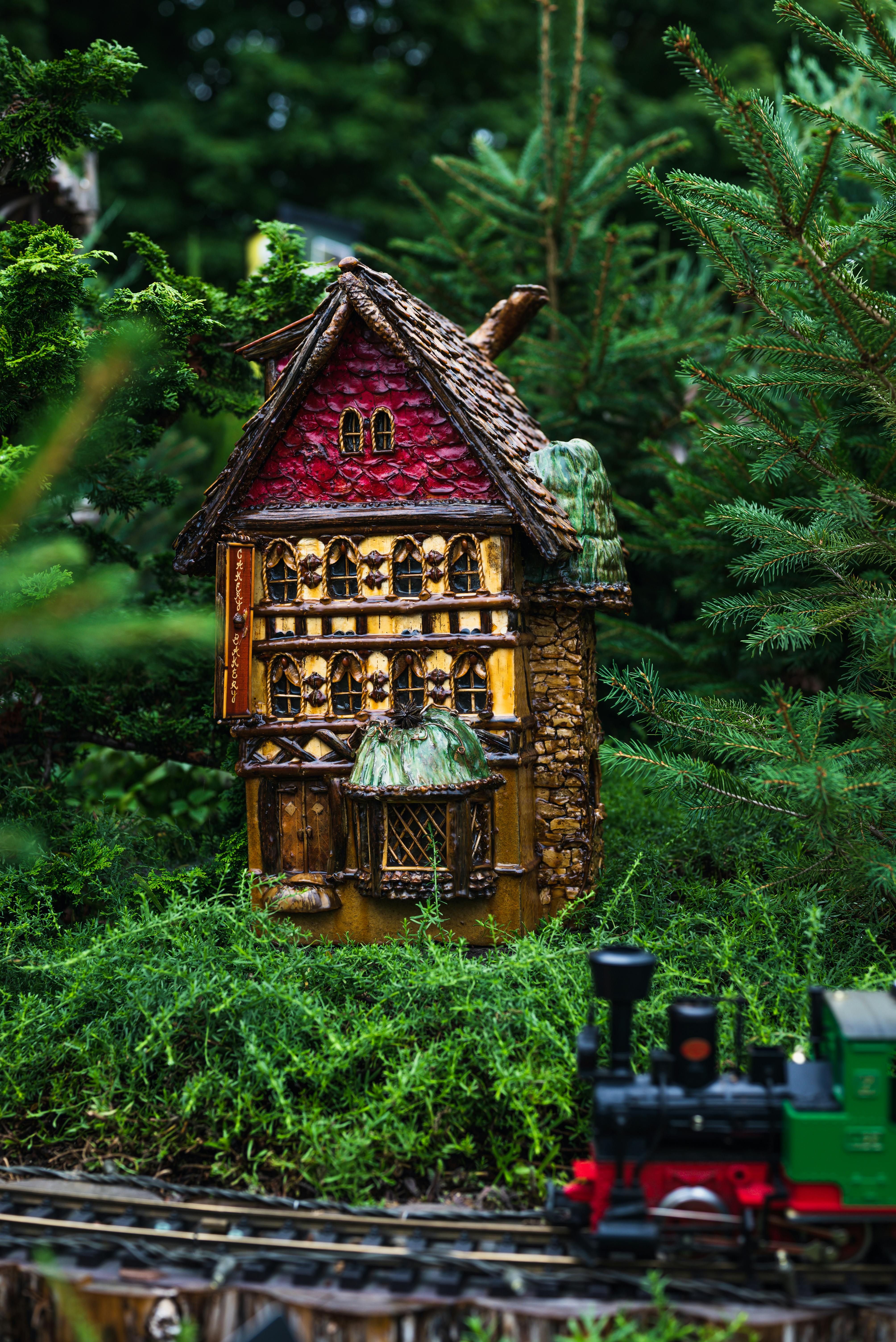
- Fairy Houses: You can buy pre-made houses or get crafty and build your own using wood, clay, or even repurposed materials like acorns and twigs.
- Miniature Furniture: Tiny benches, tables, and chairs made from wood, metal, or even polymer clay add a touch of whimsy.
- Pathways and Walkways: Use small pebbles, gravel, or even sand to create winding paths.
- Water Features: A small dish filled with water can serve as a pond or a birdbath.
- Accessories: Add tiny bridges, fairy figurines, miniature gardening tools, and other delightful details.
- Lighting: Small solar-powered lights or fairy lights can create a magical glow, especially at night.
Anecdote: I remember when my grandmother showed me her fairy garden. It wasn't just the tiny houses or the miniature furniture that captivated me. It was the small, personal touches – a tiny, hand-painted welcome sign, a miniature watering can, and a small, sparkly stone that she said was a fairy's treasure. It was those details that made it truly special.
Step 5: Watering and Maintaining Your Enchanted Oasis
Caring for your fairy garden is similar to caring for any other container garden. Here are some essential tips:
- Watering: Water your plants regularly, keeping the soil consistently moist but not waterlogged. The frequency of watering depends on the plants and the environment.
- Sunlight: Place your fairy garden in a location that receives the appropriate amount of sunlight for your plants.
- Pruning: Trim any overgrown plants to maintain the miniature scale.
- Fertilizing: Feed your plants with a diluted liquid fertilizer during the growing season.
- Weeding: Remove any weeds that may pop up.
- Protection: Consider placing your fairy garden in a location protected from harsh weather conditions or pets.
Conclusion: Your Fairy Tale Begins Now!
Creating a miniature fairy garden is a delightful experience that sparks creativity and brings a touch of magic to your life. By following these steps, you can design and build your own enchanting oasis, filled with tiny plants, charming details, and a whole lot of imagination. Remember to:
- Choose the right container and drainage.
- Layer the soil correctly.
- Select miniature plants with care.
- Add personal touches with handcrafted details.
- Provide regular care to keep your garden thriving.
So, gather your supplies, unleash your inner child, and get ready to create a world of wonder! Your fairy garden adventure awaits!
This post was published as part of my automated content series.