AI-Powered Nostalgia: Recreating the Past, Shaping the Future

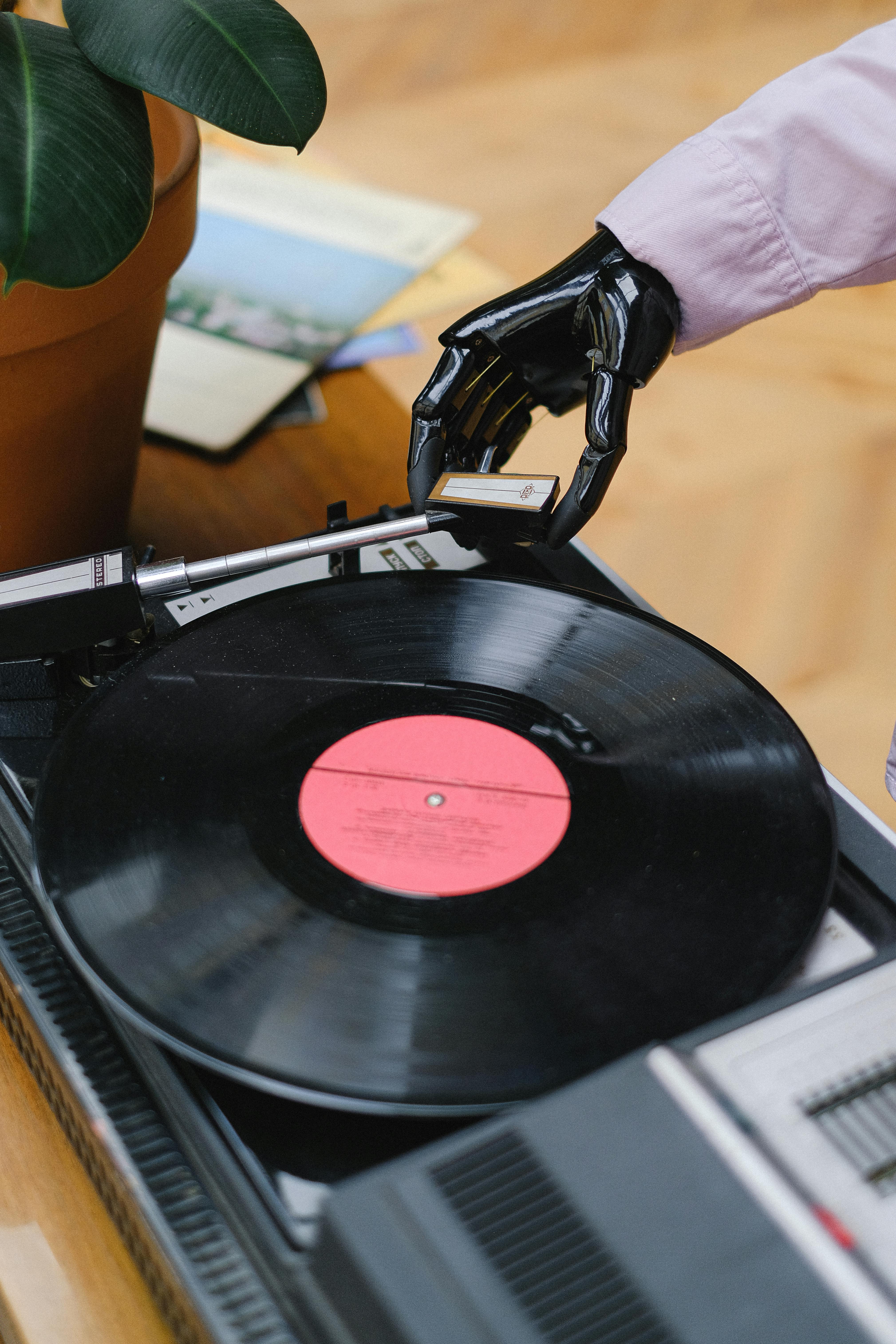
Rewind, Replay, Reimagine: AI and Our Love of the Past
Remember that feeling? The one that washes over you when a familiar song starts playing, or you stumble upon an old photo album? That’s nostalgia, and it’s a powerful force. It connects us to our past, to the people and places that shaped us. Now, imagine if you could not only revisit those memories but experience them in entirely new ways, personalized just for you. That’s the promise of AI-powered nostalgia.
We're entering an era where artificial intelligence is no longer just about futuristic robots; it's about resurrecting the past, reimagining moments, and even crafting entirely new, personalized memories. This isn't just about dusting off old photo albums; it's about stepping back in time, or perhaps, creating the time travel experience you've always dreamed of, powered by algorithms and a deep understanding of human longing.
The AI Toolbox: How Nostalgia Gets a Tech Upgrade
So, how exactly is AI making this happen? Here are some of the key tools and techniques:
- Hyper-Realistic Historical Recreations: Imagine walking through a digitally reconstructed Roman Forum, or witnessing the construction of the Eiffel Tower. AI is making this possible. By analyzing vast datasets of historical information – photographs, architectural plans, written accounts – AI can generate incredibly detailed and immersive environments. Companies like Historica are already using AI to create interactive historical experiences, letting users explore the past in ways never before imagined. Think of it as a super-powered virtual reality, bringing history to life with unprecedented accuracy.
- Personalized Memory Generation: Ever wished you could revisit a cherished childhood moment? AI can help. Using personal data like photos, videos, and even social media posts, AI algorithms can create custom-made simulations of past events. Imagine reliving your tenth birthday party, or attending your graduation ceremony all over again, but with enhanced details and a level of personalization tailored just for you.
- AI-Driven Storytelling and Content Creation: AI can also analyze your past experiences and preferences to generate new narratives and content that resonates with your nostalgia. This could involve creating personalized music playlists based on your favorite childhood songs, or even writing fictional stories set in the locations and time periods that hold special meaning for you.
- Restoration and Enhancement of Old Media: AI is incredibly adept at cleaning up and improving the quality of old photos, videos, and audio recordings. Blurry photographs can be sharpened, faded colors restored, and crackling audio made crystal clear. This means you can breathe new life into your existing memories, preserving them for future generations in a way that was never before possible.
Case Studies: Bringing the Past to Life
Let's look at some real-world examples of AI-powered nostalgia in action:
- Deep Nostalgia by MyHeritage: This popular tool uses AI to animate old photos, bringing static images to life with subtle movements and expressions. It's a powerful way to connect with ancestors and see loved ones in a whole new light.
- Museum Exhibits: Museums are increasingly using AI to create interactive exhibits. AI can power virtual tour guides, generate personalized content based on visitor interests, and even reconstruct historical artifacts in stunning detail.
- Virtual Concerts and Performances: Imagine seeing a legendary musician perform live, decades after their passing. AI is being used to create virtual concerts, allowing fans to experience performances by their favorite artists in immersive and engaging ways.
Ethical Considerations: Navigating the Past Responsibly
While the possibilities are exciting, we must also consider the ethical implications of AI-powered nostalgia. Key concerns include:
- Authenticity and Manipulation: How do we ensure the accuracy of AI-generated historical content? The potential for manipulation and misinformation is a serious concern. We need robust safeguards to prevent the distortion of historical events or the creation of false memories.
- Privacy and Data Security: AI systems often rely on personal data to create personalized experiences. Protecting this data and ensuring its responsible use is crucial.
- The Nature of Memory: What happens when we can alter or recreate memories? Could this blur the lines between reality and fiction? It's important to consider the psychological impact of these technologies and how they might affect our understanding of ourselves and our past.
The Future of Nostalgia: Actionable Takeaways
The future of nostalgia is undeniably intertwined with AI. Here are some actionable takeaways:
- Explore the Tools: Experiment with AI-powered tools like Deep Nostalgia and other photo and video enhancement apps to bring your own memories to life.
- Be a Critical Consumer: Approach AI-generated content with a critical eye. Verify information and be aware of the potential for manipulation.
- Advocate for Ethical Development: Support companies and organizations that are committed to developing AI technologies responsibly, with a focus on privacy, accuracy, and transparency.
- Preserve Your Memories: Digitize your old photos, videos, and audio recordings. This will not only preserve them but also make them accessible to AI-powered tools in the future.
The intersection of AI and nostalgia opens up a world of possibilities. By embracing these technologies responsibly, we can honor our past, enhance our present, and shape a future where memories are cherished, celebrated, and experienced in ways we never thought possible. The future of memory is now, and it's powered by AI.
This post was published as part of my automated content series.