West Coast Killer Whales: A Tale of Two Orca Worlds

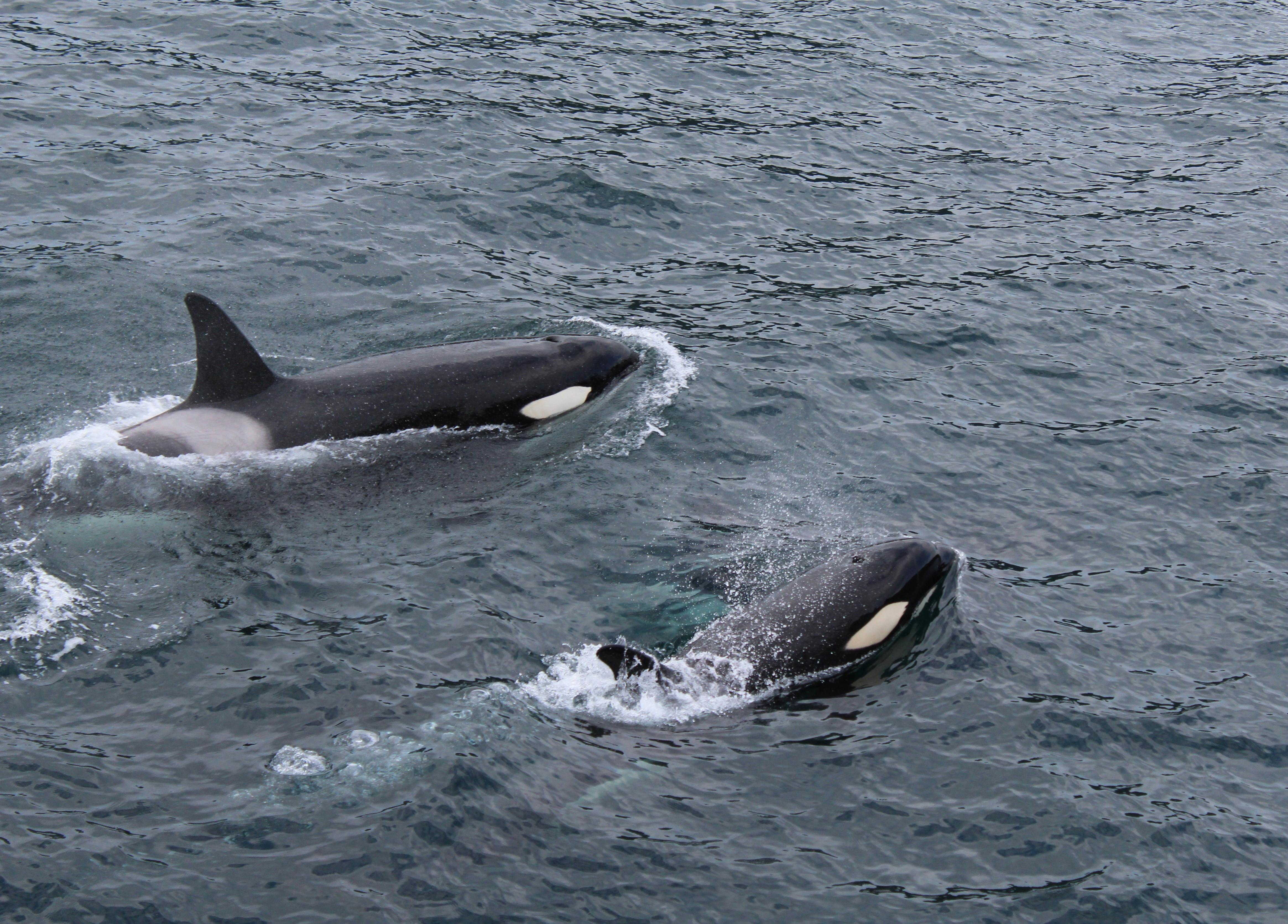
West Coast Killer Whales: A Tale of Two Orca Worlds
Imagine the Pacific Northwest. Rugged coastlines, towering evergreens, and, of course, the iconic killer whales, or orcas, breaching the surface. We’ve long admired these majestic creatures, marveling at their complex social structures and powerful hunts. But what if the killer whales we thought we knew were actually living in two completely separate worlds, right under our noses? Recent groundbreaking research has revealed a hidden divide among West Coast transient killer whales, a discovery that fundamentally changes how we understand and, crucially, how we protect these apex predators.
The Transient Orcas: Masters of the Hunt
Before diving into the split, let’s clarify who we’re talking about. The focus here is on the “transient” orcas, also known as Bigg's killer whales. Unlike their “resident” counterparts, which primarily feast on fish, transients specialize in hunting marine mammals. This difference in diet, and the hunting strategies that go with it, is what ultimately separates them into these newly identified groups. They roam the coastline, from Alaska down to California, always on the lookout for a meal.
The Inner-Coast vs. Outer-Coast Divide: A Tale of Two Habitats
The key to understanding this divide lies in the whales' preferred habitats. Scientists have confirmed that these transient orcas are essentially split into two distinct groups, each with its own preferred hunting grounds:
- Inner-Coast Whales: These orcas favor the complex, maze-like waterways of the inner coast, including the Puget Sound, the Strait of Georgia, and various inlets. Here, they hunt smaller prey, such as harbor seals and porpoises, often navigating shallow waters and tight spaces.
- Outer-Coast Whales: These whales prefer the deeper waters of the outer coast, venturing into offshore canyons and the open ocean. They pursue larger marine mammals, including whales, dolphins, and even other orcas.
The differences extend beyond just location. The hunting techniques, the prey, and even the social dynamics of each group differ. It's like comparing two distinct cultures, sharing the same territory but leading entirely different lives.
Diving Deeper: Hunting Strategies and Prey Preferences
The environments these orcas hunt in dictate their strategies. Imagine the inner-coast whales, stealthily maneuvering through narrow passages, using echolocation to pinpoint seals hiding amongst kelp forests and rocky shores. Their hunts are often characterized by patience and precision, waiting for the opportune moment to strike.
On the other hand, outer-coast whales face a different challenge. They hunt in the vast, open ocean, where their prey is often larger and more mobile. They may engage in more coordinated hunts, working together to chase down whales or dolphins. The stakes are higher, the prey more formidable, and the environment more unpredictable.
Consider the case of a pod of outer-coast orcas targeting a gray whale calf. This requires a complex strategy: the adults circling, harassing, and tiring the calf before the final, deadly attack. This is a far cry from the quick ambush of a harbor seal in a sheltered bay.
Why This Matters: Implications for Conservation
The most significant takeaway from this research is its implications for conservation. Understanding that these are, in essence, two separate populations requires a more nuanced approach to protection. Here's why:
- Targeted Threats: Each group faces unique threats. Inner-coast whales are more vulnerable to habitat degradation in the shallow waterways, pollution, and vessel traffic. Outer-coast whales may be more susceptible to entanglement in fishing gear or disruptions from offshore activities.
- Genetic Diversity: The lack of interaction between the groups could lead to reduced genetic diversity. This makes each group more vulnerable to disease and environmental changes.
- Specific Needs: Conservation efforts need to address the specific needs of each group. Protecting critical habitats, managing vessel traffic, and reducing pollution are all essential, but the strategies must be tailored to the specific challenges faced by each population.
Case Study: The J Pod and the Need for Vigilance
Let's look at a specific example. The J Pod, a well-studied group of resident killer whales in the Puget Sound, is facing numerous challenges, including declining salmon populations (their primary food source), noise pollution from boat traffic, and habitat degradation. While the J Pod is a different ecotype than the transient orcas discussed in this article, it highlights the vulnerability of orcas to environmental factors. The research on transient orcas emphasizes that targeted conservation efforts are crucial to protect these distinct populations, and prevent the same issues the resident orcas face.
What You Can Do: Actionable Takeaways
The research on inner and outer coast transient orcas provides valuable insights, and you can play a part in helping protect them. Here's how:
- Support Conservation Organizations: Donate to organizations working to protect killer whales and their habitats. These groups conduct research, advocate for policy changes, and educate the public.
- Reduce Your Environmental Impact: Make conscious choices to reduce your carbon footprint, such as using public transportation, conserving energy, and reducing waste.
- Be a Responsible Boater: If you boat in the Pacific Northwest, adhere to speed limits and regulations designed to protect killer whales. Maintain a safe distance and avoid disturbing their activities.
- Educate Yourself and Others: Learn more about killer whales and their conservation needs. Share this information with your friends, family, and community.
- Advocate for Change: Contact your elected officials and let them know that you support policies that protect killer whales and their habitats.
Conclusion: A Call to Action
The discovery of this hidden divide in West Coast transient killer whales is a stark reminder of the complexity and fragility of our marine ecosystems. Understanding the distinct lives of these inner and outer coast orcas is crucial for effective conservation. By supporting conservation efforts, reducing our environmental impact, and advocating for change, we can help ensure that these magnificent creatures continue to thrive in the waters of the Pacific Northwest and beyond. The tale of two orca worlds is a call to action – a chance to protect a legacy that deserves our unwavering commitment.
This post was published as part of my automated content series.