Korean Workers Vote to Go On Strike, Fearing Robots Could Replace Them

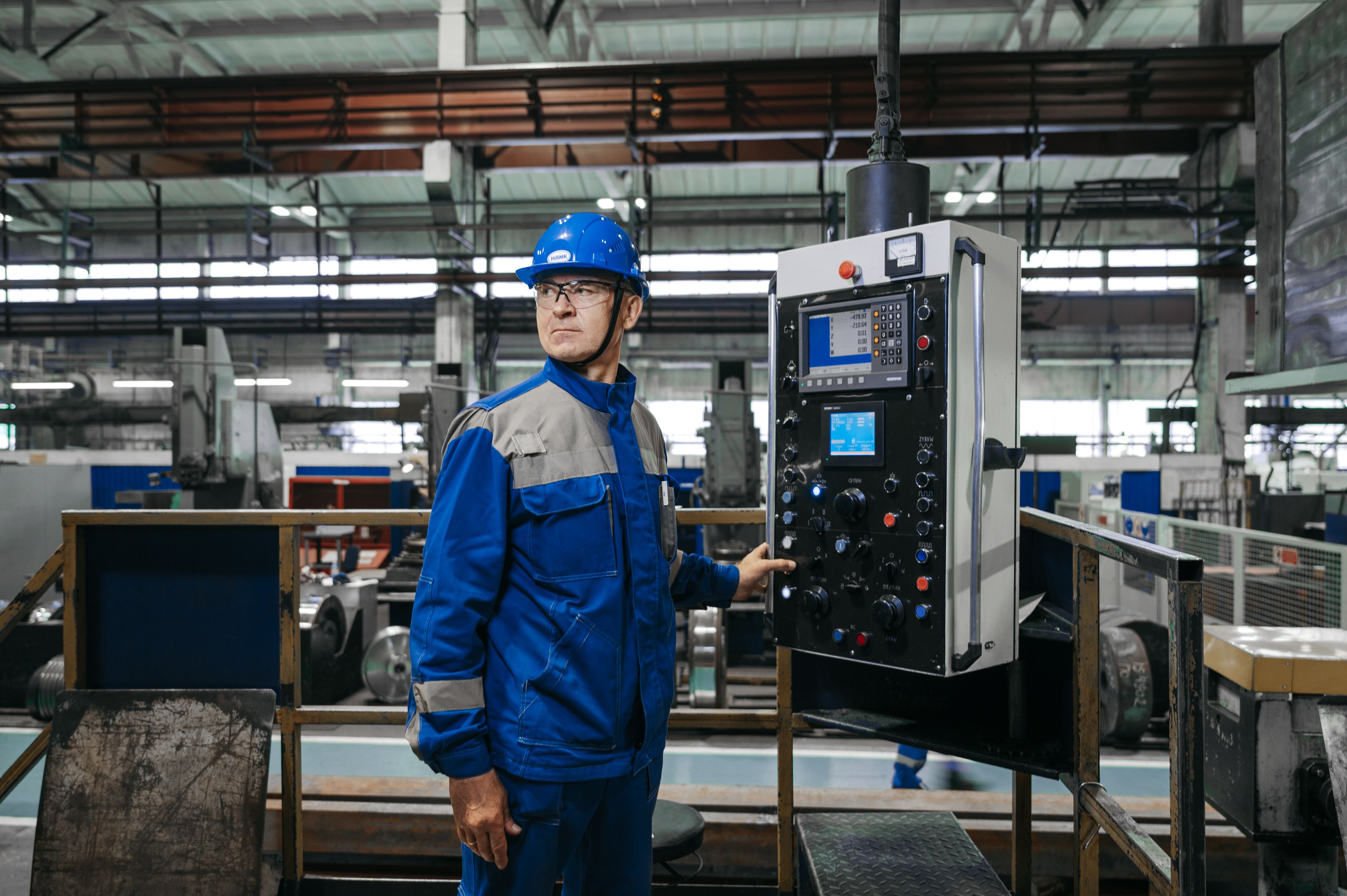
The Robot Revolution Hits the Factory Floor
For decades, we have been told that automation is the inevitable future. We hear it in tech boardrooms and read it in glossy industry reports: robots will handle the dull, dirty, and dangerous jobs, freeing humans to pursue more creative and fulfilling work. But what happens when the factory floor actually starts to feel that shift? What happens when the people who have spent their lives mastering a craft look at a new assembly line and see not progress, but a pink slip?
This is exactly the tension currently unfolding in South Korea. Recently, thousands of workers have voted to go on strike, sending a clear message to industry leaders: job security is not a luxury, it is a necessity. They are not just protesting wages or hours this time; they are taking a stand against the creeping shadow of automation that threatens to make their skills obsolete. It is a moment that feels like a tipping point in the global debate over the future of work.
The Fear of Being Replaced
The core of this movement is a deeply human anxiety. While investors see robots as a way to boost efficiency, reduce errors, and lower long-term costs, the average worker sees something entirely different. They see a machine that does not need a lunch break, does not need health insurance, and does not have a family to feed. When a company invests heavily in robotics, the message to the workforce can often feel like a countdown to redundancy.
In South Korea, where the manufacturing sector has been the backbone of the national economy for generations, this fear is especially potent. The workers are not necessarily anti-technology. Most recognize that the world is changing. However, they are demanding a seat at the table. They want to ensure that as companies reap the rewards of higher productivity through automation, the workers who helped build those companies are not simply discarded. They are asking for guarantees: retraining programs, profit-sharing from automation gains, and a transition plan that puts people before software.
Looking at the Bigger Picture
This is not just a story about one country or one specific labor union. It is a preview of a global conversation that every major economy will have to navigate over the next decade. From the auto plants of Detroit to the logistics hubs in Europe, the integration of artificial intelligence and advanced robotics is accelerating at a breakneck speed. We are reaching a point where the barrier to entry for intelligent machines is dropping, making it possible for robots to perform tasks that were previously thought to be the exclusive domain of human dexterity and judgment.
Take the example of the logistics industry, where warehouse bots are now navigating complex aisles with ease, picking and packing items faster than any human could. While these machines have indeed reduced back-breaking labor, they have also created a reality where the human worker is often relegated to a support role, essentially acting as an assistant to the machine. When the machine becomes the star of the show, the human role becomes increasingly fragile.
The Human Element
There is a dangerous tendency to treat this issue as a simple equation of efficiency versus sentimentality. But that ignores the reality of how communities function. A factory is not just a building; it is a center of economic gravity for an entire town or region. When those jobs vanish, the impact ripples outward, affecting local businesses, schools, and social stability. The Korean workers who are striking are defending more than just their paychecks; they are defending their communities.
We have to ask ourselves: what kind of future are we building? If the goal of technological advancement is to improve our collective quality of life, we have to ensure that the transition does not leave the majority of the working population behind. If we move too fast, we risk creating a social divide that no amount of technological innovation can bridge.
Moving Toward a Sustainable Future
So, where do we go from here? The strike in South Korea serves as a wake-up call for corporations and governments alike. The path forward is not to halt progress, but to manage it with a human-centric approach. Here are a few takeaways on how we can navigate this transition:
- Transparency is Key: Companies need to be open about their automation roadmaps. When workers are kept in the dark, fear grows. Open communication can help bridge the gap between management and staff.
- Invest in People, Not Just Machines: If a company is going to automate a process, they have a responsibility to offer training for their employees to transition into new, higher-value roles within the organization.
- Policy and Safety Nets: Governments must play a role in setting standards for how automation is integrated into the workforce. This might include tax incentives for companies that retain and retrain staff, rather than simply firing them to cut costs.
- The Hybrid Approach: We need to focus on technologies that augment human capabilities rather than replace them. The most successful businesses of the future will likely be those that find the perfect balance between human intuition and machine speed.
The strike in South Korea is a reminder that technology is not a force of nature. It is a tool, and we have the power to decide how we use it. We can choose to build a future where robots and humans work in tandem, or we can continue down a path of conflict and displacement. The choice is ours, but the clock is ticking. It is time for a serious conversation about what we owe to the people who power our world, and how we can ensure that progress includes everyone.