What You Need To Know About The Recent Gastrointestinal Outbreak

The Sudden Stomach Crisis That Has Everyone Checking Their Pantry
It starts with a feeling that most of us know all too well, but usually ignore until it is too late. A slight gurgle, a sudden cramp, and then, without warning, your entire digestive system decides to stage a full-scale mutiny. For 72 people across the country, this scenario has become a harsh reality this week. The FDA has officially flagged a new outbreak of severe gastrointestinal distress, characterized primarily by explosive diarrhea, and while the exact source remains a mystery, the situation serves as a stark reminder of how fragile our food supply chain can be.
When news of an outbreak hits, the natural reaction is panic. We start scanning our fridges, checking the dates on our spinach, and wondering if that takeout meal from Tuesday was really a good idea. However, in this specific case, the FDA is playing their cards close to the chest. We do not know where these cases are concentrated, and we certainly do not know which specific food item is the culprit. This lack of information creates a vacuum, and in that vacuum, anxiety thrives. Let’s break down what we do know, how these investigations typically work, and how you can protect your household while we wait for more answers.
The Anatomy of a Foodborne Illness Investigation
To understand why the FDA is being so tight-lipped, it helps to look at how these investigations actually unfold. Think of it like a massive, high-stakes jigsaw puzzle where the pieces are scattered across several states. When doctors report a cluster of similar symptoms—in this case, explosive diarrhea—to the CDC and FDA, investigators start a process called trace-back.
Imagine a patient named Sarah. She gets sick on a Tuesday. Investigators ask Sarah to recall everything she ate in the last 72 hours. They then compare her "food diary" to the diaries of the other 71 affected individuals. If 60 out of the 72 people report eating a specific brand of pre-packaged salad or a certain type of imported cheese, the investigators have their lead. From there, they go to the grocery store, find the batch numbers, and trace those items back to the processing plant or the farm.
This process takes time. If the FDA announced a specific brand or location before they were absolutely certain, they could trigger unnecessary panic or destroy a business that had nothing to do with the outbreak. It is a balancing act between transparency and responsible reporting.
Why Explosive Diarrhea Is More Than Just A Bad Meal
We often joke about "food poisoning," but when the FDA uses terms like explosive diarrhea in their reports, they are describing a severe clinical condition. This is not just a mild stomach ache. It is the body’s desperate attempt to flush out a pathogen, whether it be Salmonella, E. coli, or Norovirus. The danger here is not just the discomfort; it is the rapid dehydration that follows.
I remember a friend who dealt with a similar bout of foodborne illness a few years back. She was perfectly healthy one day and completely incapacitated the next. The speed at which these illnesses move is what makes them so dangerous. When you lose that much fluid that quickly, your blood pressure can drop, your kidneys can struggle, and you can end up in the emergency room in a matter of hours. That is why these 72 cases are being taken so seriously by federal authorities.
How to Stay Safe Without Losing Your Mind
Since we do not have a specific recall list yet, the best approach is to double down on general food safety hygiene. It sounds basic, but these habits are the only line of defense you have when the source of a pathogen is unknown.
- Wash your produce thoroughly: Even if it says pre-washed on the bag, give your greens and fruits a good rinse. It is a small step that can significantly reduce the bacterial load.
- Watch your temperatures: Make sure your fridge is set to 40 degrees Fahrenheit or below. Bacteria love the room-temperature zone, which is why leftovers should never sit out for more than two hours.
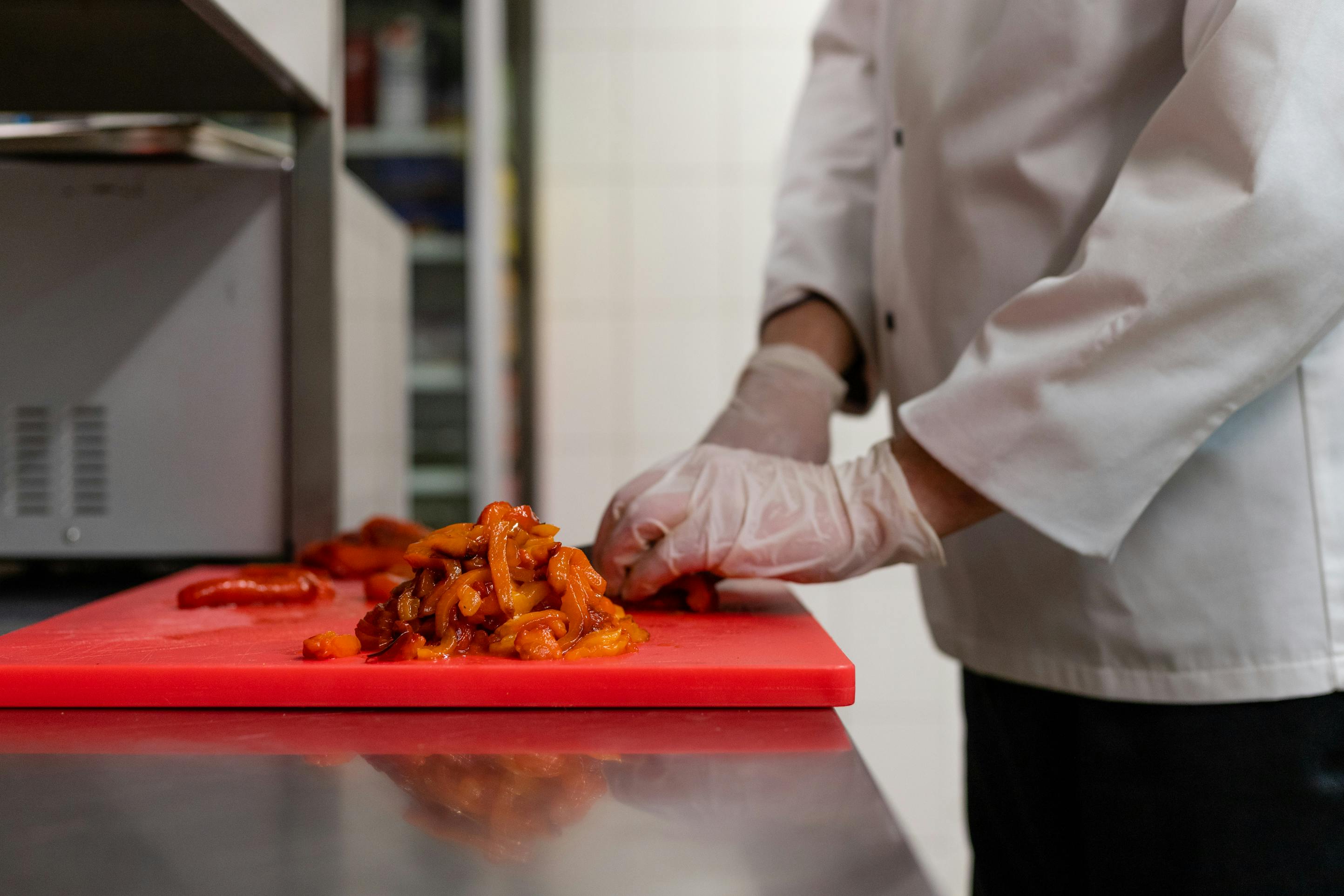
- Separate your cutting boards: Use one board for raw meats and a completely different one for vegetables. Cross-contamination is the silent killer in many home kitchens.
- Trust your gut: If something smells off or tastes strange, throw it out. It is better to lose five dollars worth of food than to spend a weekend in the bathroom.
What Happens Next?
The FDA is currently working with state and local health departments to conduct interviews and lab testing. You can expect that within the next few days, we will likely see a specific product recall notice. Keep an eye on the official FDA website, as that is where the definitive list of affected products will appear first. Avoid relying on social media rumors, which tend to snowball and often name innocent products as the source of the outbreak.
In the meantime, stay hydrated. If you or a family member starts experiencing severe symptoms, do not try to ride it out with home remedies alone. If you see blood in your stool, experience a high fever, or show signs of severe dehydration like dizziness or dark urine, get to a doctor. These outbreaks are usually contained once the specific food item is identified and pulled from the shelves, but until then, vigilance is your best friend.
The current situation is a timely reminder that the food on our plates travels a long, complex road before it reaches our kitchens. While most of the time that process is safe, every once in a while, a breakdown occurs. By staying informed, practicing good kitchen hygiene, and keeping a close watch on official health updates, you can navigate this outbreak safely and keep your family healthy.