A little movement in midlife could pay off for your brain years later

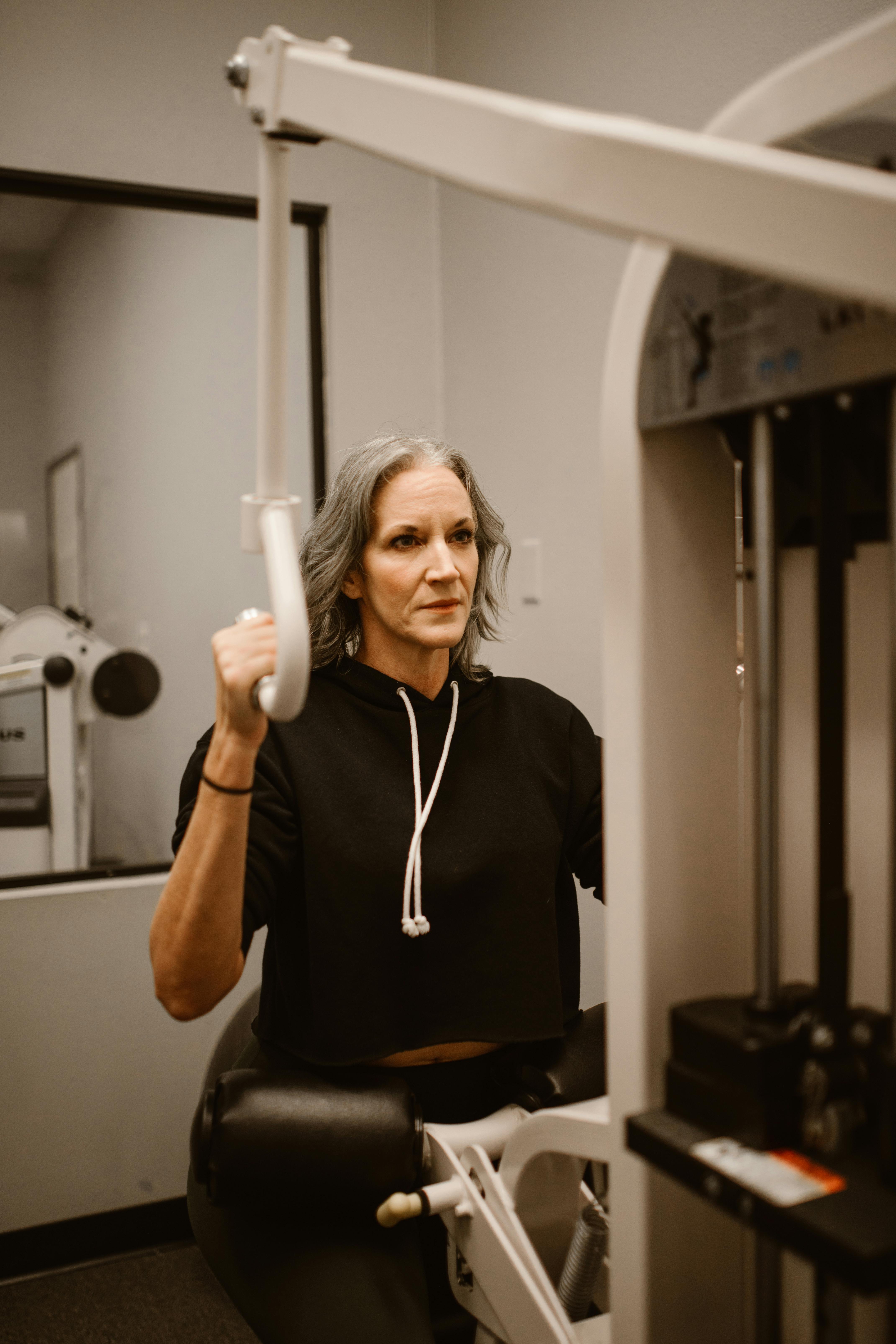
The Long Game of Cognitive Health
We often treat our bodies like high-maintenance cars that need an oil change only when the check engine light flickers on. When we hit our forties and fifties, the focus usually drifts toward vanity or immediate pain management. We worry about the extra five pounds around the waistline or the stiff lower back that protests after a long day at the desk. But there is a much quieter, more profound conversation happening beneath the surface of your skin. What you are doing today—the brisk walk around the block, the choice to take the stairs, the management of your morning blood sugar—is essentially a down payment on the mental clarity you will enjoy twenty or thirty years from now.
Recent research has brought a fascinating truth to light: the habits we form in midlife act as a structural foundation for the aging brain. It turns out that cognitive decline is not an inevitable landslide that starts at age seventy; it is a slow-motion process that can be steered, mitigated, or even stalled by the choices we make while we are still in our prime working years.
The Blood Sugar Connection
One of the most compelling pieces of this puzzle involves how our bodies handle glucose. We have known for a long time that high blood sugar is bad news for our arteries and our waistlines. However, we are now learning that it is equally problematic for the intricate wiring of the brain. When blood sugar levels are chronically elevated, it creates a subtle, persistent inflammation throughout the body. Over decades, this systemic stress takes a toll on the brain’s ability to process information, form memories, and maintain executive function.
Think of your brain as a high-performance computer. If the power supply is erratic and surging with voltage spikes, the hardware eventually begins to fray. Regular physical activity acts as a regulator for that power supply. When you move, your muscles become more efficient at soaking up glucose from your bloodstream, keeping your internal environment stable. This isn't about training for a marathon or becoming a fitness fanatic. It is about the cumulative effect of consistent, moderate movement that keeps your metabolic engine running smoothly.
A New Perspective on Population Health
What makes the latest research particularly exciting is the discovery that these benefits are not one-size-fits-all. Studies focusing on Mexican American adults have shown that physical activity and metabolic health may offer a uniquely powerful protective effect for this population. This is a game-changer because it suggests that our biological responses to exercise are influenced by a complex tapestry of genetics, environment, and lifestyle factors.
This finding serves as a powerful reminder that there is no single blueprint for human health. While the general advice to move more remains universal, the specific biological pathways that protect one person’s brain might look different for their neighbor. It underscores the importance of looking at health through a lens of diversity, ensuring that we understand how different groups can best leverage their own biology to stave off cognitive aging.
Small Steps, Massive Payoffs
It is easy to feel overwhelmed by the idea of future-proofing your brain. If you are currently juggling a career, perhaps raising children, or caring for aging parents, the idea of adding a rigorous gym routine to your schedule might feel impossible. The good news is that the research does not demand perfection. It rewards consistency.
Consider the case of a professional in her late forties who finds herself stuck behind a computer screen for nine hours a day. Instead of attempting a dramatic lifestyle overhaul, she commits to a fifteen-minute walk immediately after lunch and another one before dinner. On the weekends, she swaps one hour of television for gardening or a light hike. These small, low-impact adjustments do not just burn a few extra calories; they signal to the body that it is time to optimize its internal systems. Over ten or twenty years, those thirty minutes of daily movement accumulate into thousands of hours of protection for the brain.
How to Build Your Brain-Protective Routine
If you want to start investing in your future brain today, you do not need a fancy wearable or a high-end gym membership. You need a shift in mindset. Here are a few actionable ways to integrate brain-protective movement into your daily life:
- Prioritize non-exercise activity: The goal is to avoid prolonged periods of stillness. Set a timer to stand up and stretch every hour. If you can take a phone call while pacing, do it.
- Focus on post-meal movement: Taking a short walk after a meal is one of the most effective ways to blunt the blood sugar spike that follows eating. It is a simple habit with a massive impact on metabolic health.
- Find movement you actually enjoy: If you hate running, do not run. Whether it is dancing, swimming, weight lifting, or playing pickleball, the best exercise for your brain is the one you will actually show up for.
- Monitor your metabolic markers: Work with your doctor to understand your blood sugar and insulin levels. Knowing your numbers gives you a clear target and helps you see the tangible progress of your lifestyle changes.
The Long-Term View
We often view midlife as a time of decline, a period where we start losing our edge. But the reality is that midlife is a period of massive leverage. You are the architect of your future cognitive state. By choosing to move your body and keep your metabolic health in check, you are essentially insulating your neurons against the wear and tear of time. You are building a buffer that will allow you to stay sharp, engaged, and present for the decades to come.
So, the next time you feel like skipping that walk or taking the elevator instead of the stairs, remember the long game. You are not just moving for the person you are today; you are moving for the version of yourself who will be sitting on a porch, reading a book, and remembering every detail of your life with perfect clarity. That is a reward worth every step.