The Art of Curating a 'Memory Shelf' That Tells Your Story

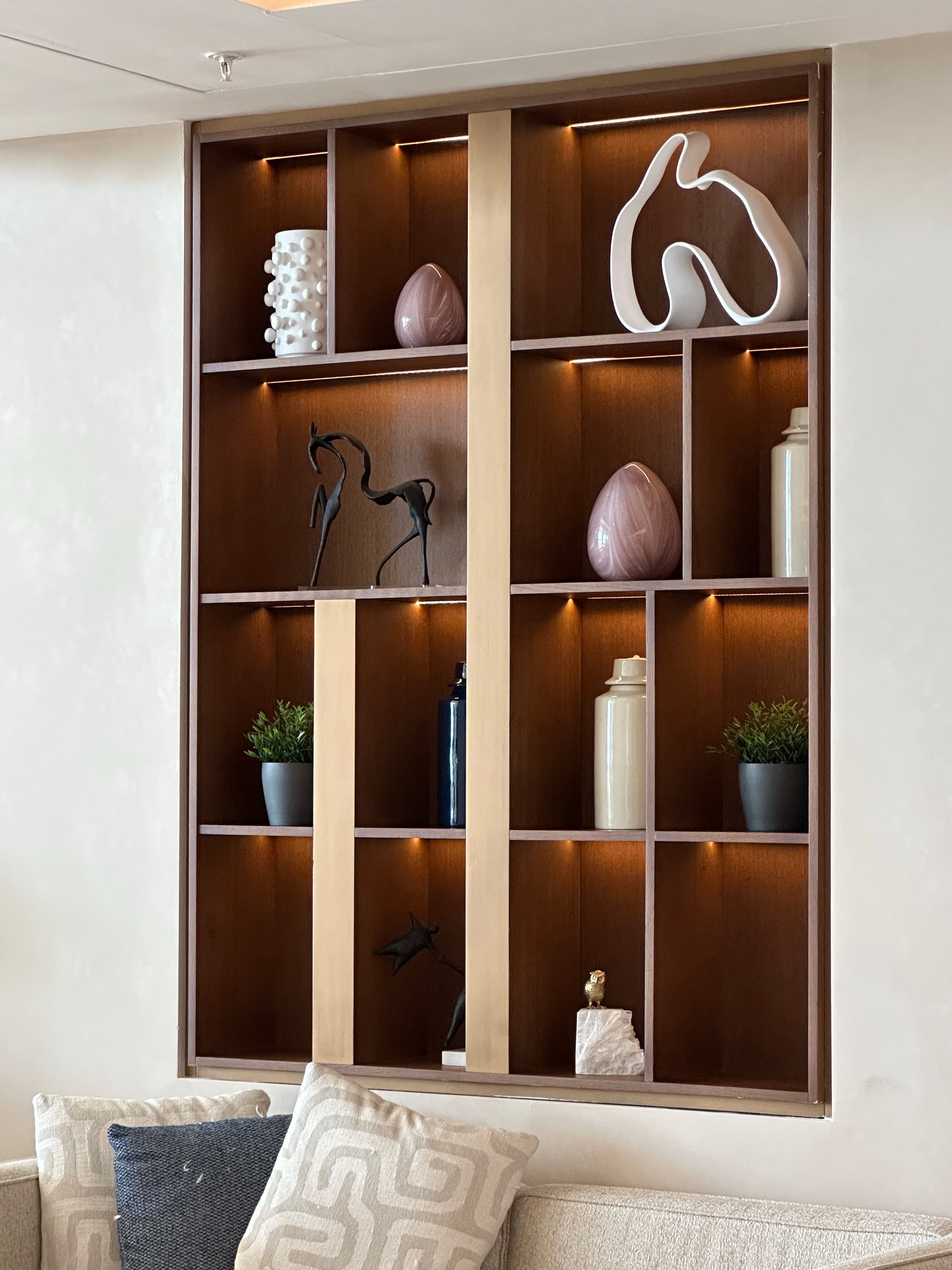
Beyond the Dust Collectors
We all have that one junk drawer. It is the graveyard of ticket stubs, seashells from a beach trip in 2012, and blurry photos that somehow feel more important than the high-resolution ones on our phones. For a long time, I treated my shelves the same way. I shoved trinkets into corners, hoping that if I packed enough stuff onto a piece of wood, it would somehow look like a curated collection. Instead, it just looked like a yard sale exploded in my living room.
There is a massive difference between hoarding clutter and curating a memory shelf. A memory shelf is not about storage. It is about storytelling. It is a physical timeline of the moments, people, and places that shaped who you are today. When done right, it turns your living space into a gallery where every item has a heartbeat. Let us talk about how to turn that pile of dusty souvenirs into a meaningful display that actually makes you smile when you walk past it.
The Great Purge: Why Less is More
Before you can build, you have to edit. The biggest mistake most of us make is trying to display everything. If you have a shelf crowded with forty different items, the eye does not know where to land, and the significance of each individual piece gets lost in the noise.
Start by taking everything off your shelves. Lay it all out on the floor. Now, pick up each item one by one. Ask yourself: Does this spark a specific memory, or is it just something I bought because I felt like I needed a souvenir? If you cannot remember the story behind the object, it is time to let it go. Your shelf should be a highlight reel, not a deep-storage archive.
Grouping by Theme or Era
Once you have narrowed down your collection, it is time to arrange. A cohesive shelf feels intentional rather than accidental. One of my favorite methods is to group items by theme or chapter. For instance, you might have one shelf dedicated to your travels, featuring a small stone from a hike in the mountains, a handmade ceramic cup from a market in Mexico, and a vintage postcard from a city you love.
Alternatively, you can organize by era. Dedicate a space to your childhood, your college years, or a specific period of professional growth. By creating these thematic zones, you are essentially writing chapters of your life in three dimensions. It makes the display feel curated and thoughtful rather than like a collection of random garage sale finds.
The Rule of Three and Negative Space
Interior designers swear by the rule of three, and for good reason. Objects arranged in odd numbers, especially threes, are visually more appealing to the human eye. It creates a sense of balance without looking too symmetrical or stiff.
Equally important is the concept of negative space. Do not feel obligated to fill every single inch of the shelf. Empty space gives your items room to breathe. It forces the viewer to focus on the objects you have chosen to highlight. Think of your shelf like a museum display. A museum does not cram every artifact into one case; they give each piece the space it deserves so it can be appreciated individually.
Mixing Heights and Textures
If everything on your shelf is the same height, it will look flat and uninspired. You want to create a landscape. Use books as pedestals to elevate smaller items. Place taller objects like vases or framed photos toward the back or sides to anchor the display, and bring smaller, more delicate items to the front.
Think about texture, too. If you have a lot of glass and metal, it can feel cold. Incorporate organic elements like a dried flower, a piece of driftwood, or a heavy fabric-bound book to warm things up. Contrast creates visual interest. When you mix the smooth surface of a polished stone with the rough texture of a woven basket, the shelf suddenly feels more grounded and real.
Let It Evolve
The most important thing to remember is that your memory shelf is not a static installation. It is a living, breathing part of your home. As you grow and change, your shelf should change with you. Do not be afraid to rotate items in and out. Maybe you bring a new trinket home from a weekend trip and decide it deserves a spot of honor for a few months. That is perfectly fine.
I personally refresh my main shelf twice a year. It is a wonderful way to reconnect with my history. Sometimes, I find an old watch or a letter I had tucked away in a box, and I realize it fits perfectly into my current narrative. Treat your shelf like a journal that you are constantly writing in.
Final Thoughts on Curating Your History
Curating a memory shelf is an act of self-reflection. It forces you to decide what is truly worth holding onto and how you want to present your history to the world. It is about moving away from the consumption of 'stuff' and moving toward the appreciation of 'meaning.'
By clearing the clutter, using the rule of three, and giving your items room to breathe, you can transform a simple piece of furniture into a powerful reminder of who you are and where you have been. So, go ahead and pull those boxes out from under the bed. Start small, be ruthless with your editing, and enjoy the process of telling your story, one object at a time.