Why Cities Are Suddenly Cutting Ties With Flock Safety

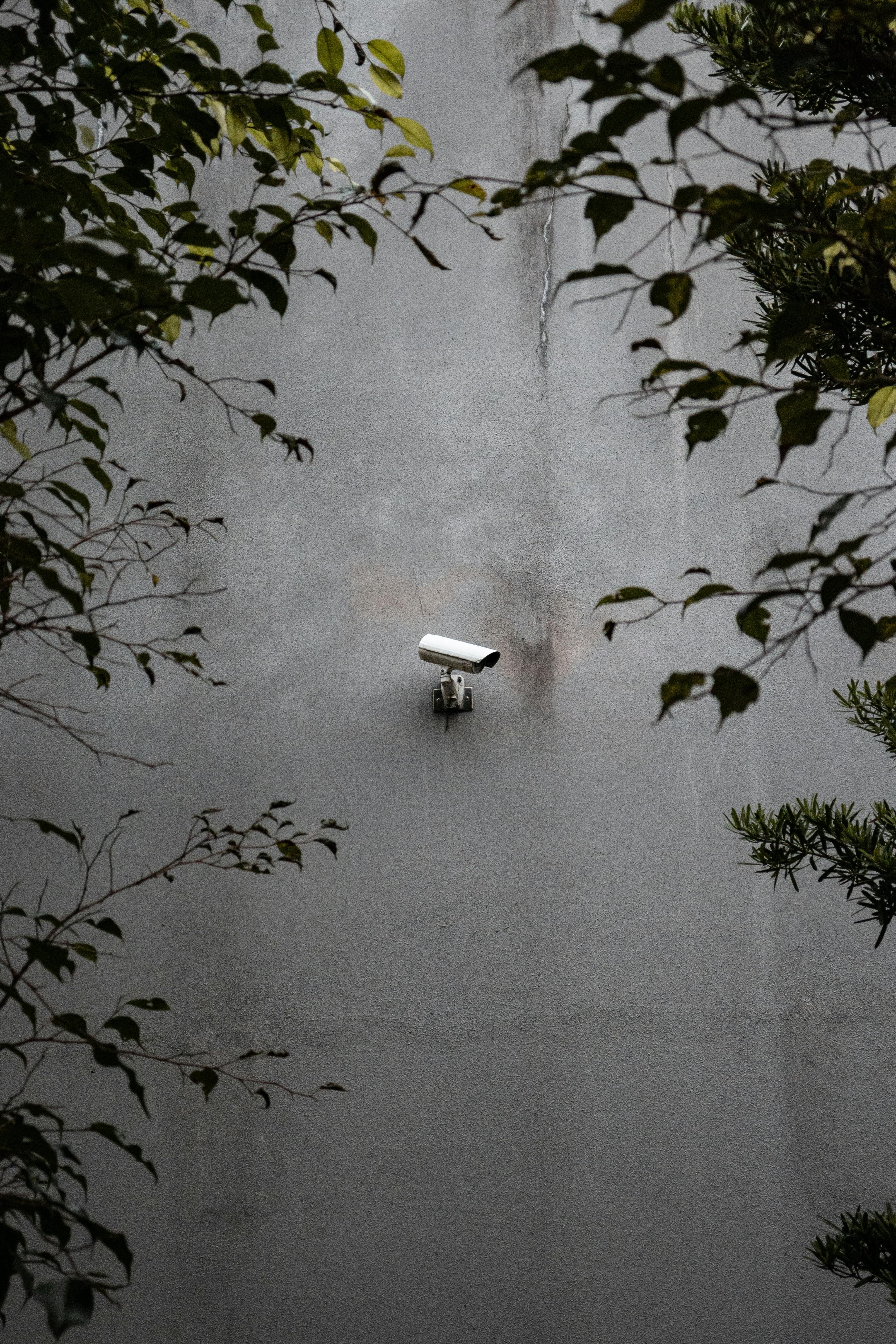
The Surveillance Net That Is Starting to Fray
Imagine driving through your neighborhood, running errands, or heading to a friend's house. You assume you are just another face in the crowd, blending into the flow of daily life. But for the past few years, a quiet, high-tech revolution has been watching you. Flock Safety, the company behind those ubiquitous pole-mounted cameras that track license plates and vehicle descriptions, has become a staple of modern policing. They promised a safer world, a digital neighborhood watch that never sleeps. But lately, the narrative has shifted. From local town halls to heated city council meetings, the once-warm embrace of these automated license plate readers (ALPRs) is turning cold. Dozens of cities are pulling the plug, and the reasons why tell a fascinating story about privacy, trust, and the limits of technology.
The Promise vs. The Reality
Flock built its empire on a simple, compelling pitch: we can solve property crime by turning every street corner into an investigative tool. For many police departments, the pitch was irresistible. Crime was up, resources were thin, and here was a solution that didn't require hiring more officers. The cameras are sleek, solar-powered, and incredibly effective at pinging officers when a stolen vehicle or a car associated with a crime enters a jurisdiction. It sounds like a win-win, right? The problem, as it turns out, is that the system doesn't just track criminals. It tracks everyone. When you have a network that records the movement of every law-abiding citizen, you are building a database that feels less like a neighborhood watch and more like a permanent digital tail.
Why Contracts Are Being Canceled
The recent wave of contract cancellations isn't happening in a vacuum. It is the result of a growing public realization that privacy is not just a theoretical concept; it is a vital part of a free society. Several key factors are driving this backlash:
- The Data Sharing Web: Many residents were shocked to learn that their local police department wasn't the only entity looking at their footage. In some cases, data was being shared across state lines or with private entities, creating a massive, interconnected web of surveillance that few people signed up for.
- The Creep of Mission: What starts as tracking stolen cars often morphs into monitoring peaceful protests, tracking individuals for minor infractions, or keeping tabs on people who have done nothing wrong. This mission creep is a classic hallmark of surveillance tech, and it makes many citizens deeply uncomfortable.
- Lack of Transparency: In many cities, these cameras were installed with little to no public debate. When communities finally realized the extent of the surveillance, the lack of democratic oversight left a bitter taste. People want a say in how their streets are monitored, and they feel they were kept in the dark.
- The Effectiveness Debate: While Flock points to clear success stories, some researchers and privacy advocates are questioning the actual impact on crime rates. Are these cameras actually making us safer, or are they just displacing crime to the next town over while gathering massive amounts of data on innocent people?
The Human Cost of Constant Oversight
Think about the psychological impact of living under a lens. When you know that every trip you take is being logged, stored, and potentially searched, your behavior changes. You might avoid certain places, steer clear of controversial events, or just feel a constant, low-level anxiety that you are being watched. This is what privacy advocates mean when they talk about the 'chilling effect.' We are trading a fundamental part of our liberty—the right to move through the world anonymously—for a sense of security that may not even be as robust as the marketing materials suggest. The cities that are canceling their contracts are essentially saying that the price of this technology is too high.
Lessons from the Ground
Consider the case of smaller municipalities that have recently voted to remove these systems. These aren't just big cities with massive civil liberties unions; these are suburban communities where parents and retirees are asking hard questions. They are looking at the bill for the service, looking at the privacy concerns, and deciding that the trade-off isn't worth it. This reflects a broader trend of local governance reclaiming control over digital infrastructure. It is a sign that the tech industry can no longer assume that police-backed contracts will be automatically renewed year after year. The public is waking up, and they are demanding a seat at the table.
Looking Ahead: What Comes Next?
The controversy surrounding Flock is a litmus test for the future of smart cities. As we integrate more AI and surveillance tools into our public spaces, we have to ask ourselves what kind of society we want to live in. Do we want a society where every movement is documented, or do we want to preserve a space for anonymity and individual freedom? The fact that dozens of contracts are being canceled is a clear signal that the status quo is no longer acceptable to a large portion of the public. If companies like Flock want to survive, they will need to pivot toward much higher standards of transparency, stricter data limitations, and genuine community engagement.
The Takeaway for Concerned Citizens
If you are worried about the surveillance in your own town, the path forward is clear: get involved. Start by asking your local city council how these contracts are structured, who has access to the data, and what the retention policies are. Don't take 'it's for safety' as a complete answer. Demand to see the impact reports and the privacy safeguards. True safety is not just about catching criminals; it is about protecting the rights and dignity of every person in the community. When we lose our privacy, we lose a piece of ourselves. It is time for cities to prioritize the people they serve over the convenience of a surveillance database.