Is Your Daily Soda Habit Increasing Your Stomach Cancer Risk?

The Afternoon Pick-Me-Up That Might Cost You
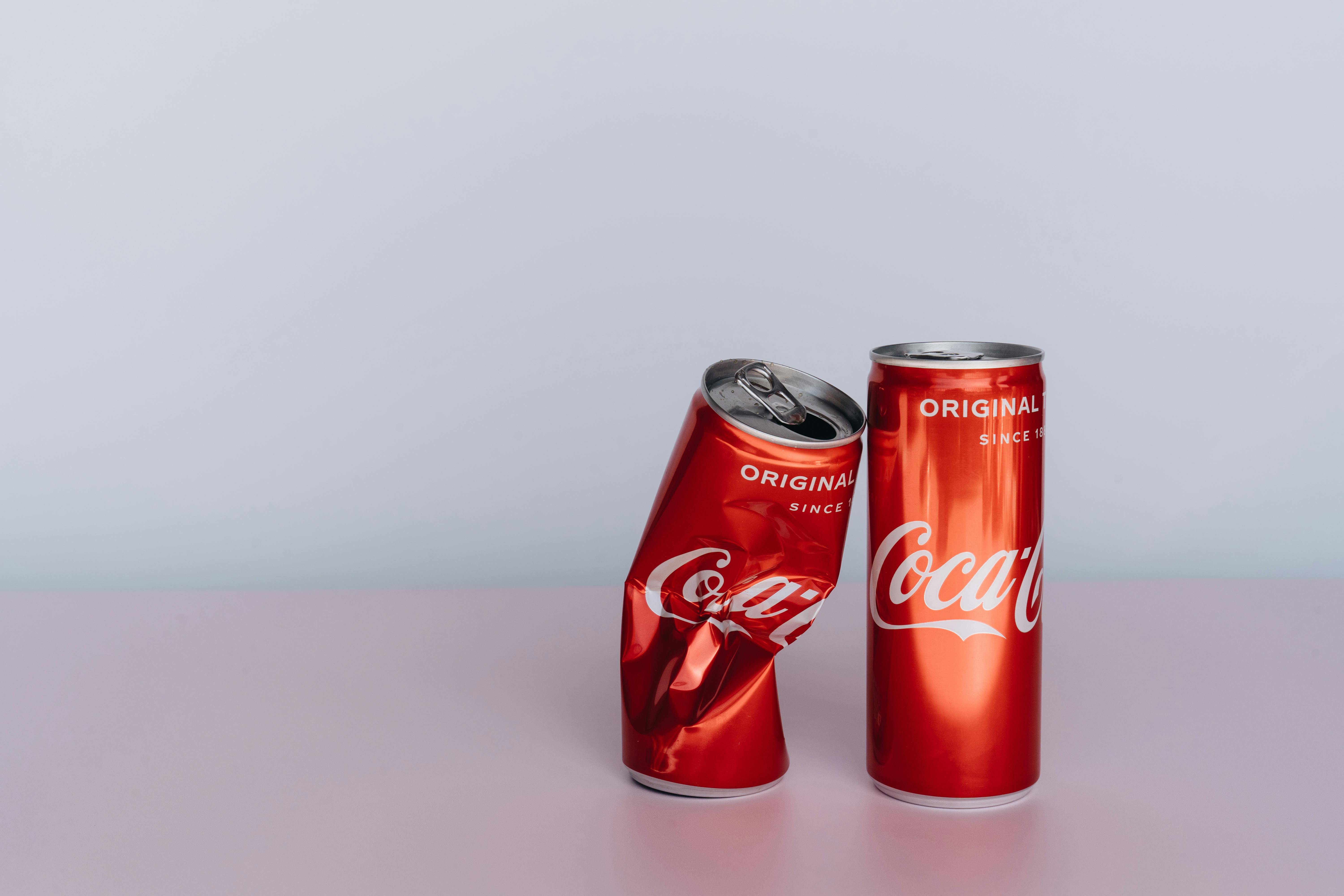
We all know the ritual. It is 3:00 PM, the mid-afternoon slump is hitting hard, and your brain feels like it is running on dial-up internet. You walk to the breakroom or stop at the corner store, reaching for that familiar, ice-cold can of soda or a sweetened iced tea. It is refreshing, it is sweet, and it provides that instant jolt of energy we think we need to power through the rest of the day. But what if that simple, bubbly habit was doing more than just adding a few empty calories to your diet? A major long-term study has recently cast a spotlight on a sobering possibility: that daily sugary drink habit might be linked to a significantly higher risk of stomach cancer.
The Numbers Behind the Concern
This is not just a passing observation from a small group of people. Researchers recently analyzed data from a massive cohort of over 112,000 U.S. adults, tracking their habits and health outcomes over several decades. The findings were striking. Individuals who consumed at least one sugar-sweetened beverage every single day faced a risk of developing gastric cancer that was roughly 2.45 times higher than those who rarely or never touched the stuff. To put that in perspective, we are talking about more than doubling your risk based on a daily choice that many of us make without a second thought.
It is important to clarify that this study does not definitively prove that soda causes cancer. In the world of nutrition science, proving direct causation is incredibly difficult because human lives are messy. People who drink a lot of soda might also have other lifestyle habits that contribute to health risks, such as eating processed foods or being less physically active. However, when you see a correlation this strong over such a long period, it is a massive red flag that warrants a serious conversation about our sugar intake.
Why Sugar Could Be the Culprit
So, what is actually happening inside our bodies when we consume that much sugar? The biological mechanisms are complex, but there are a few leading theories. High sugar intake is a primary driver of chronic inflammation. When you are constantly flooding your system with refined sugars, your body stays in a state of low-grade systemic inflammation. Over years and decades, this environment can damage cells and create the perfect conditions for abnormal cell growth, including cancerous tumors in the digestive tract.
Beyond inflammation, there is the issue of metabolic health. Frequent consumption of sugary drinks leads to spikes in insulin and blood sugar levels. Chronic insulin resistance is linked to a host of metabolic disorders, and many researchers believe that these metabolic shifts play a significant role in how cancer cells develop and thrive. Your stomach, being the first point of contact for these high-sugar liquids, is uniquely vulnerable to the chemical stress caused by frequent exposure to high-fructose corn syrup and sucrose.
The Artificial Alternative: Is it a Safer Bet?
One of the most interesting findings from this study was the contrast between sugar-sweetened beverages and artificially sweetened ones. The researchers found no similar association between diet sodas and gastric cancer risk. For many people, this might feel like a green light to switch to zero-calorie options. However, it is worth approaching this with caution. While they may not carry the same cancer risk identified in this specific study, diet drinks come with their own set of questions regarding gut health, cravings, and long-term metabolic impact.
Think of it as choosing between two different paths. One path, the sugary one, appears to have a clear link to a specific, life-altering disease. The other path, the artificial one, might avoid that specific link but is still far from being a health food. The healthiest choice remains water, herbal teas, or sparkling water with a splash of fresh fruit.
Small Changes, Big Impact
If you are currently a daily soda drinker, the idea of quitting cold turkey can feel overwhelming. The key is not to aim for perfection, but to aim for a shift in perspective. Start by looking at your current habits. Are you drinking soda because you are thirsty, or because you are bored? Often, we reach for a drink just to have something to hold or to break up the monotony of the workday.
- The Water Pivot: Keep a large, reusable water bottle at your desk. When you feel the urge for a soda, commit to drinking half your water bottle first. Often, the thirst will be satisfied, and the craving will pass.
- Flavor Without the Sugar: If you miss the carbonation, try sparkling water. You can squeeze fresh lime or lemon into it to give it that zing without the massive sugar load.
- The 80/20 Rule: If you truly love a soda, treat it as a rare indulgence rather than a daily utility. Saving it for a Friday night meal makes it a treat you can look forward to, rather than a habit that is compromising your long-term health.
Reframing Our Relationship With Sweetness
We live in a culture that has normalized the consumption of liquid sugar at every meal. It is in our convenience stores, our drive-thrus, and our office pantries. But our bodies were not designed to process the sheer volume of sugar we consume today. This study is a wake-up call that we need to be more intentional about what we drink.
At the end of the day, your health is built on the accumulation of thousands of small decisions. Choosing to skip the daily soda is one of the easiest, most effective ways to lower your risk of chronic disease. It is not about deprivation; it is about taking control of your future health. The next time you walk past that soda fountain, remember the 2.45 times risk factor. Sometimes, the best way to care for your body is simply to reach for a glass of water instead.