The Art of the 'Slow Coffee' Morning: A Ritual Guide

The Morning Rush is Overrated
Most of us start our days in a state of frantic motion. We hit the snooze button three times, stumble toward the kitchen, and mash a button on a machine that spits out a lukewarm cup of bitterness before we have even fully opened our eyes. We drink it while scrolling through emails, our brains already halfway through a to-do list that feels like a mountain. But what if the first ten minutes of your day didn't feel like a race? What if your morning coffee wasn't just a delivery system for caffeine, but a quiet, intentional anchor for your spirit?
The art of the slow coffee morning is about reclaiming your time. It is a shift from efficiency to experience. By choosing manual brewing methods like the pour-over, the French press, or the AeroPress, you transform a chore into a ritual. You stop being a consumer and start being a craftsman. Here is how you can transform your kitchen into a sanctuary and your caffeine fix into a meditation.
Step One: The Setup as an Act of Care
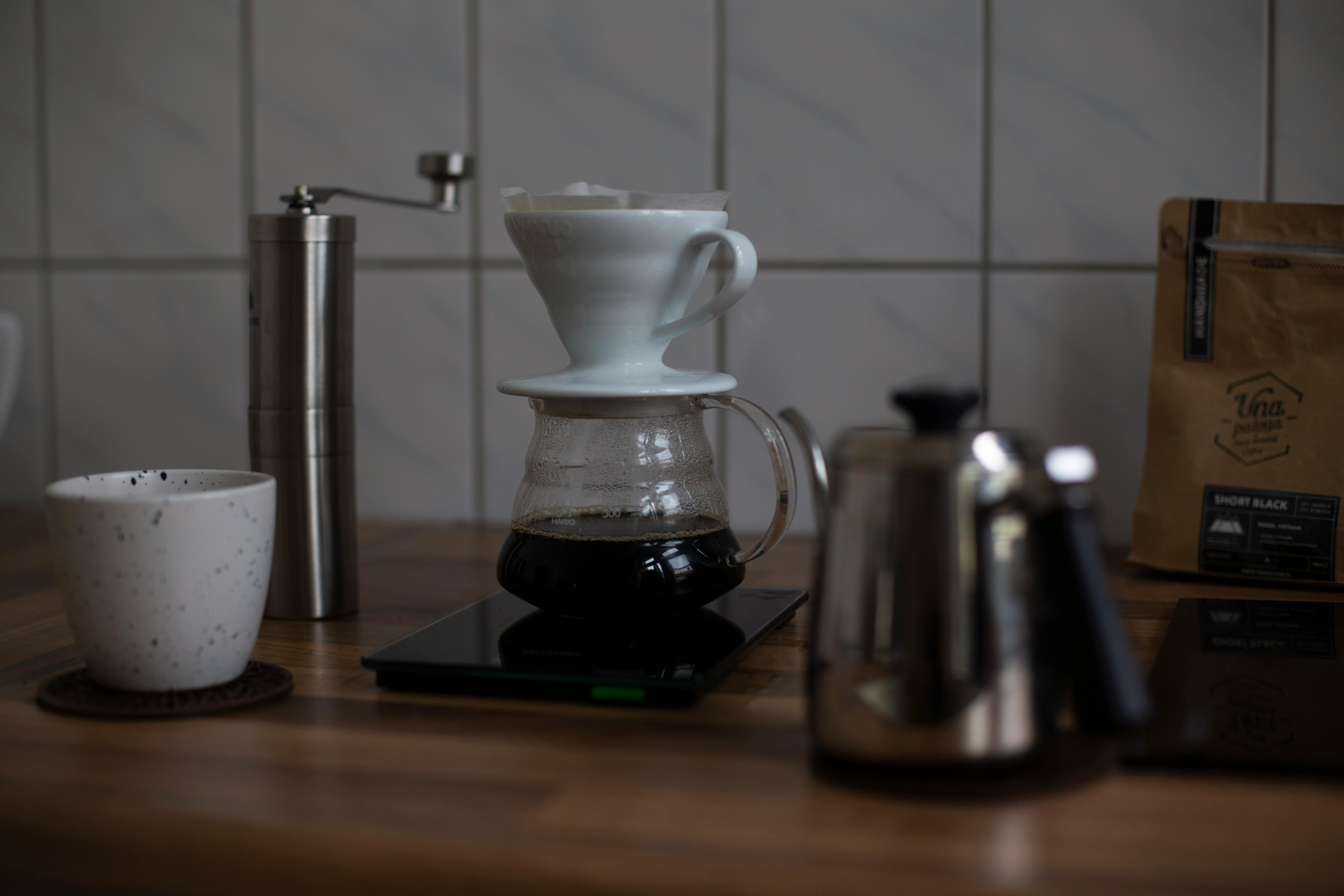
The ritual begins before the water even hits the beans. If you treat your brewing setup like a neglected corner of the counter, you will never find peace there. Clear your space. Keep your favorite ceramic mug, your grinder, and your kettle clean and ready. There is a quiet satisfaction in seeing your tools laid out, waiting for you. Think of this as setting the stage for a performance where you are both the audience and the artist.
When you prepare your space, you are signaling to your brain that the chaos of the world can wait. This is your time. It is a small act of self-respect that sets the tone for the rest of your day.
Step Two: The Sensory Engagement
Manual brewing forces you to slow down because it requires your full attention. When you use a pour-over dripper, you cannot walk away. You have to watch the water, listen to the gurgle of the filter, and smell the bloom as the hot water hits the fresh grounds. This is the heart of the practice.
Take a moment to inhale the aroma of the beans before you grind them. Notice the texture of the grounds. Listen to the sound of the water reaching a boil. By focusing on these sensory details, you pull yourself out of your head and into your body. If you find your mind wandering to that afternoon meeting or an unpaid bill, gently bring your focus back to the steam rising from your carafe. This is your coffee meditation.
Step Three: The Patience of the Pour
The pour-over method is perhaps the most meditative of all. It requires a steady hand and a patient rhythm. As you pour the water in slow, concentric circles, you are practicing a form of mindfulness that is just as effective as sitting on a cushion for twenty minutes. You are observing the expansion of the coffee grounds, watching the liquid drip through the filter, and waiting for the right moment to continue.
I once knew a colleague who struggled with severe anxiety. Every morning, he committed to a Chemex brew. He told me that the five minutes required to brew the coffee were the only five minutes of his day where he didn't feel the need to solve a problem. The coffee wasn't the cure, but the ritual was the pause button he desperately needed to handle the noise of the day.
Step Four: Savoring the Result
The final step is the most important: you must actually taste the coffee. Do not drink it while standing at the counter or while checking your phone. Sit down. Hold the warm mug with both hands. Feel the heat radiating into your palms. Take a sip and notice the notes of chocolate, citrus, or nuttiness that you usually miss when you gulp down a gas station cup.
When you treat the final cup with this level of appreciation, you are practicing gratitude. You are acknowledging that you have the time, the resources, and the ability to enjoy a small, beautiful thing. This creates a positive feedback loop. You start your day with a win, a moment of clarity, and a sense of calm that carries over into your work and your relationships.
Bringing the Ritual Into Your Life
Transitioning to a slow coffee morning does not require a massive investment in expensive gear. You can start with a simple ceramic dripper and a bag of high-quality beans from a local roaster. The cost is negligible compared to the mental health benefits of starting your day with intention rather than panic.
Here are three quick takeaways to get you started:
- Disconnect while you brew: Leave your phone in another room until you have finished your first cup.
- Focus on the senses: Pay attention to the smell of the beans, the sound of the pour, and the warmth of the mug.
- Keep it simple: Choose one manual method and master it. The repetition will eventually make the process feel like second nature, deepening the meditative state.
The world will always be loud. The inbox will always be full. But for those ten minutes in the morning, you have the power to decide that the world can wait. By mastering the art of the slow coffee morning, you aren't just making a better cup of coffee. You are making a better version of yourself, one pour at a time.