The Invisible Ledger: How Federal Agents Are Watching Your Bank Account

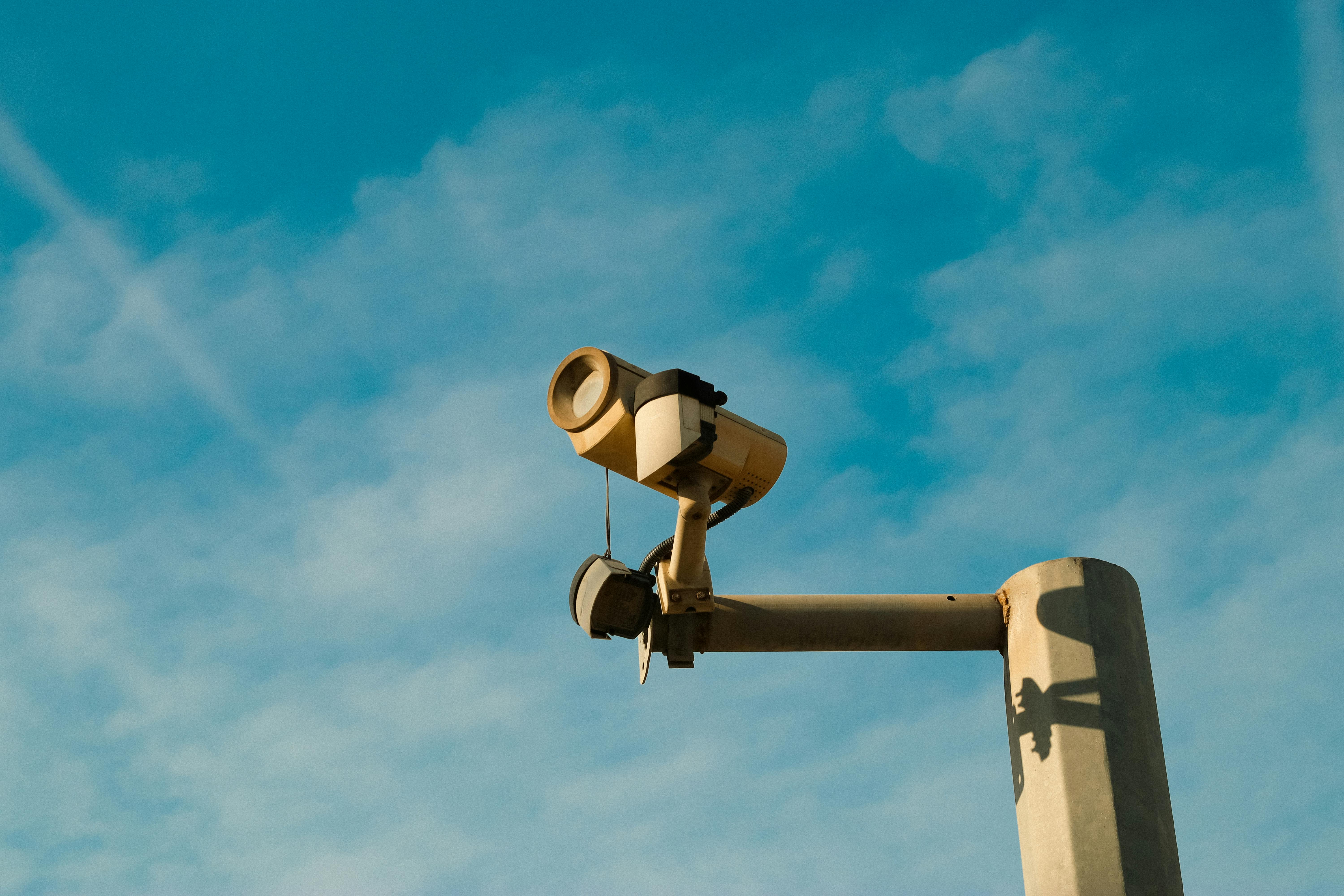
Your Bank Statement Is No Longer Private
Most of us operate under a quiet assumption. We assume that as long as we pay our taxes and stay out of trouble, our financial lives remain our own business. We think of our bank accounts as private vaults, accessible only to us and perhaps the occasional curious bank teller. But the reality is far more invasive. Behind the scenes, a sprawling web of federal surveillance is quietly logging, analyzing, and sharing your financial behavior with law enforcement long before you are ever charged with a crime.
The recent revelations regarding how federal agencies monitor these transactions are not just about catching bad actors. They are about the normalization of mass financial surveillance. When federal agents can pull up a dashboard to see exactly where you spent your money, who you sent it to, and what your spending habits look like, the line between 'financial security' and 'state control' begins to blur significantly.
The Machinery of Monitoring
How does this actually work? It is not necessarily a single agent staring at your specific transactions in real time. Instead, it is a sophisticated system of data aggregation. Financial institutions are required by law to file Suspicious Activity Reports, or SARs, whenever they detect a transaction that seems out of the ordinary. These reports are fed into massive databases managed by agencies like FinCEN, the Financial Crimes Enforcement Network.
But it goes beyond simple reporting. Federal agencies have been increasingly leveraging tools that allow them to buy or access bulk financial data without the need for a warrant in many cases. By using these third-party databases, agents can bypass the traditional Fourth Amendment protections that would normally require them to convince a judge that they have probable cause to snoop through your finances. If they can get the data from a private aggregator, they often argue that you have no expectation of privacy in that information.
The Danger of Algorithmic Suspicion
The core issue here is the reliance on automated systems to flag human behavior. These algorithms are designed to look for patterns, but they are notoriously bad at understanding context. If you suddenly start buying supplies for a hobby, or if you make a series of transfers to family members during an emergency, an algorithm might flag these as suspicious because they deviate from your 'normal' behavior.
Once you are flagged, you are effectively in a digital lineup. Law enforcement can use this 'suspicious' tag to justify further investigations, leading to arrests and seizures that might never have happened if a human had simply looked at the context of your life. As the saying goes, if we cannot meaningfully review and evaluate these systems, we cannot trust them. We are currently living in a state of black-box justice, where your financial reputation can be tarnished by a line of code that you cannot see, challenge, or even know exists.
Examples and Real-World Impact
Consider the case of small business owners who deal in cash-heavy industries. They are often caught in the crosshairs of these monitoring systems. Because cash transactions are inherently harder to track, they trigger 'red flags' in banking software automatically. A legitimate business owner can find their accounts frozen or their transactions reported to federal agents simply because their business model doesn't look like a standard paycheck deposit.
Then there is the issue of 'parallel construction.' This is a practice where law enforcement uses evidence gathered from secret surveillance—like these financial logs—to start an investigation, but then works backward to find 'independent' evidence to present in court. This hides the fact that the initial tip came from a warrantless search of your financial history. It effectively launders the information, making it impossible for defense attorneys to challenge the constitutionality of how the investigation began in the first place.
What Can You Do About It?
So, where does this leave the average person? Total financial privacy is nearly impossible in a world dominated by digital banking and credit cards. However, awareness is the first step toward accountability. We need to demand more transparency from our financial institutions regarding who they share our data with and under what circumstances.
Here are a few actionable takeaways for those concerned about their digital footprint:
- Audit your digital trail: Be mindful of how many different apps and services have access to your bank account via third-party APIs. Every connection is a potential point of data leakage.
- Support privacy legislation: Pay attention to local and federal bills that aim to limit the warrantless collection of financial data. Your representatives need to hear that you value financial privacy as a fundamental right.
- Demand oversight: The systems used by federal agencies are currently operating in the shadows. Public pressure is the only way to force these agencies to disclose how these algorithms work and what safeguards are in place to prevent overreach.
The Bottom Line
Financial surveillance is the new frontier of government overreach. While the stated goal is to catch criminals, the method is to treat every American as a potential suspect whose spending habits must be constantly monitored. If we allow this to continue without scrutiny, we are essentially building a digital panopticon where the government can watch our lives unfold in real time, one transaction at a time. It is time to move these systems out of the shadows and into the light of public debate, before the right to financial privacy becomes nothing more than a historical footnote.