The Truth Behind Elon Musk's Flying Tesla Roadster

The Myth of the Flying Roadster
For years, Elon Musk has teased us with the idea of a Tesla Roadster that does more than just hug the pavement. He has spoken about thrusters, cold air gas, and the kind of vertical lift that would make James Bond jealous. When the new Roadster was finally showcased, the tech community held its collective breath. Could it really fly? Is the future of personal aviation parked in a garage in California? Well, recent scrutiny suggests that the reality might be far less aerodynamic and far more cinematic than we were led to believe.
The buzz surrounding the flying Roadster has always been a mix of genuine engineering ambition and classic Musk showmanship. But as the dust settles, experts are pointing out a glaringly simple explanation for why that car probably wasn't going to take off: it might have been an empty shell. Let’s dive into why this matters for the future of transport and what it says about how we consume innovation news today.
The Physics Problem
If you have ever spent time around automotive engineering, you know that weight is the enemy of flight. To get a vehicle off the ground, you need an incredible power-to-weight ratio. A standard Tesla Roadster is a heavy machine, packed with lithium-ion batteries and reinforced steel. Adding thrusters to a production-ready car to make it hover is not just a software update; it is a fundamental challenge of physics that requires a complete redesign of the chassis.
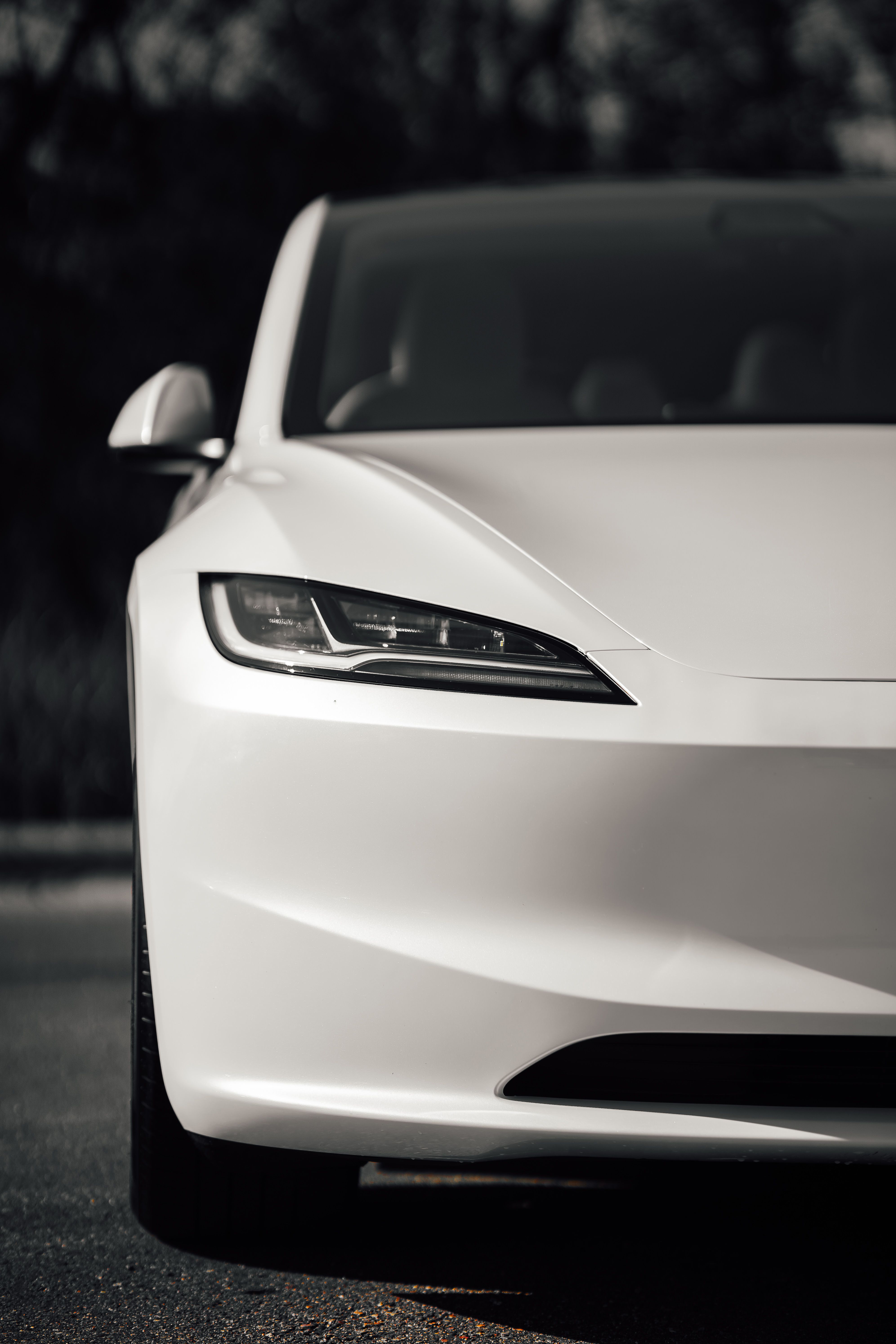
When observers looked closely at the display models, the lack of visible, functional heavy-duty hardware became apparent. If the car was intended to actually fly, we would expect to see air intake systems, high-pressure tanks, and specialized structural reinforcements. Instead, what we saw was a sleek, polished exterior. This leads to the conclusion that the car was likely a static display piece—a prop meant to sell a vision rather than a prototype meant to prove a concept.
The Marketing of Future Tech
Why would a company as massive as Tesla present a shell as a technological breakthrough? The answer lies in the power of the hype cycle. In the world of emerging tech, the vision is often just as valuable as the product itself. By suggesting that a car can fly, Musk keeps the conversation focused on Tesla’s ability to innovate beyond the status quo. It keeps the stock price buoyant and keeps the fan base energized.
This is not a new tactic. Think back to the early days of autonomous driving or the initial reveal of the Cybertruck. The goal is to capture the imagination of the public. When you are selling a vision of the future, you do not always need a working engine under the hood; you need a story that resonates with people who want to believe that the Jetsons are finally arriving.
Why We Want to Believe
We are living in a time where we desperately want to see radical progress in transportation. Traffic congestion is a global nightmare, and we are all looking for that one silver bullet that solves it. When a visionary like Musk hints at flying cars, we want it to be true because it represents a leap forward that feels like science fiction coming to life.
However, the danger of this approach is that it can lead to disillusionment. When the public realizes that the flying car was just a stationary model, they might start to question the legitimacy of other, more grounded projects. Transparency is the currency of trust, and when that currency is spent on empty shells, the long-term impact on a company's reputation can be costly.
What This Means for Transportation
Despite the skepticism, we should not write off the idea of personal flight entirely. There are companies working on legitimate VTOL (Vertical Take-Off and Landing) vehicles. These companies are not trying to turn a sports car into a helicopter; they are designing aircraft from the ground up, focusing on weight distribution, safety, and regulatory compliance. The future of flight is likely to look more like a drone than a modified Tesla.
The Takeaway for Tech Enthusiasts
So, what should we take away from this saga? First, always look for the functional components. If a vehicle is meant to fly, look for the propulsion systems, not just the paint job. Second, distinguish between a vision and a prototype. Marketing materials are designed to inspire, but engineering reports are designed to explain. Finally, keep your excitement tempered by a healthy dose of skepticism.
The flying Roadster might have been a shell, but the conversation it sparked is real. It forces us to ask what we really want from our vehicles and how much we are willing to trust the companies that build them. The next time you see a headline about a revolutionary new tech product, ask yourself: is this a genuine leap forward, or is it just a very expensive, very shiny shell?
As we move forward, the focus should remain on sustainable, practical solutions that actually hit the road—or the sky—rather than just looking good on a showroom floor. Innovation is messy, difficult, and rarely looks as clean as a marketing render. But that is exactly what makes the real thing so much more impressive than the fantasy.