Is Your Brain Flickering? The Strange Science of Conscious Micro-Epochs

The Illusion of a Seamless Life
We like to think of our conscious experience as a smooth, high-definition movie. From the moment we wake up until we close our eyes at night, the world feels like a continuous stream of events. We see, we hear, we act, and we perceive it all as one unbroken narrative. But what if that feeling of continuity is actually a clever trick played by your biology? What if your brain is not actually watching a movie, but rather flipping through a rapid-fire series of snapshots, flickering in and out of existence like a faulty lightbulb?
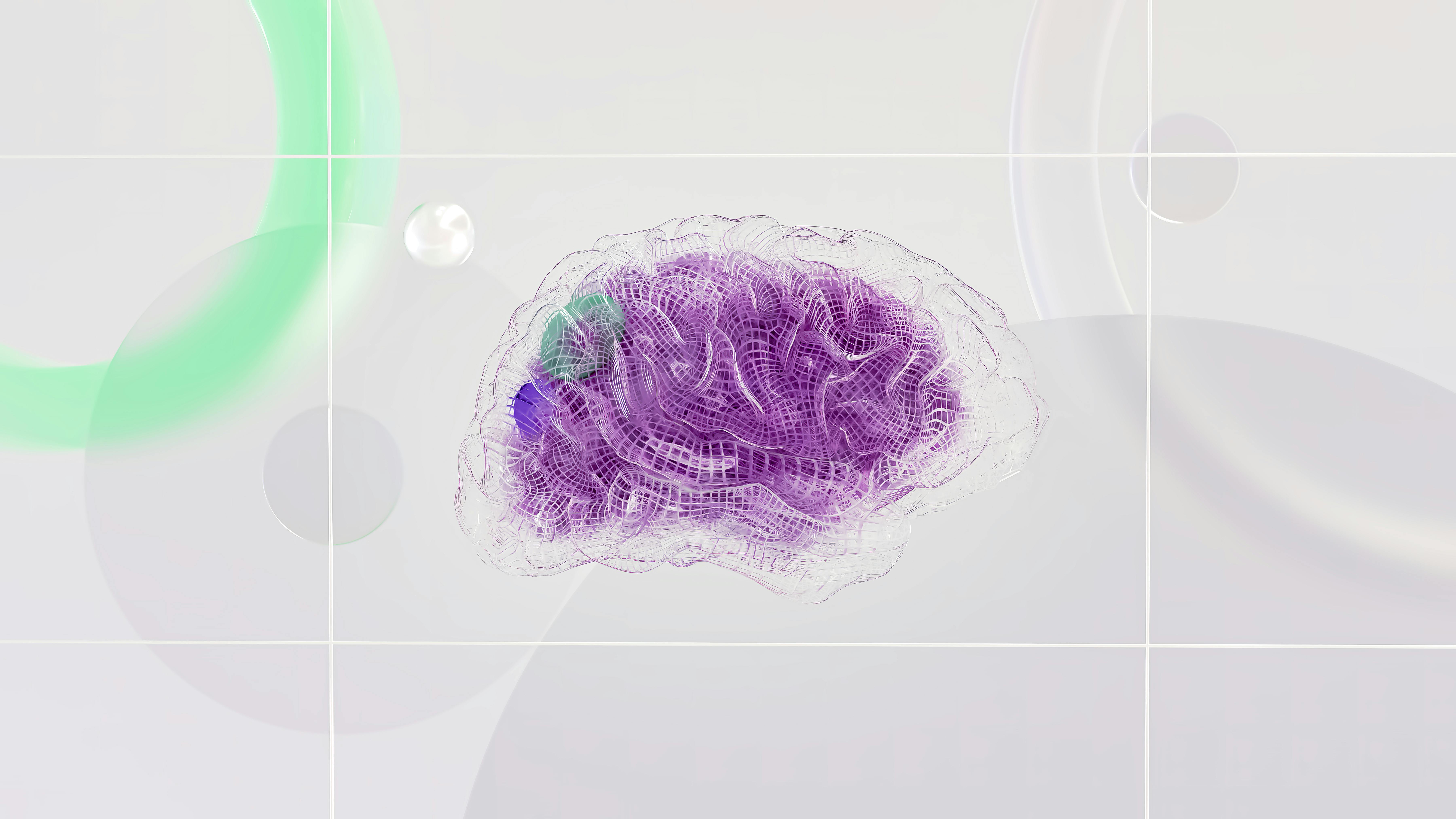
Recent scientific investigations suggest that our perception of reality is far more fragmented than we ever dared to imagine. New research indicates that the human brain operates in a rhythmic cycle, snapping between conscious and suppressed states about 15 times every single second. It turns out that your awareness is not a constant flame, but a rapid series of pulses.
The Stroboscopic Nature of Thought
To understand this, imagine a standard motion picture. If you look at a film reel, you see individual frames. When those frames are projected at a specific speed, your eyes and brain blend them together to create the illusion of smooth motion. This is called the phi phenomenon. Scientists are now discovering that our internal consciousness functions in much the same way.
The brain does not process every single piece of sensory input simultaneously. Instead, it seems to bundle information into micro-epochs. During these tiny windows of time, the brain processes information and then takes a split-second break to integrate that data. In those gaps, we are effectively offline. We aren't just processing reality; we are building it in discrete, microscopic segments.
Why Does Our Brain Need to Flicker?
You might be wondering why our brains would choose such an inefficient way to function. If we are constantly turning off and on, why don't we notice the gaps? The answer lies in the massive energy demands of the human brain. The brain is the most energy-hungry organ in the body, accounting for roughly 20 percent of our total metabolic usage while taking up only about 2 percent of our weight.
By cycling between active processing and suppressed states, the brain might be engaging in a form of neural load management. Think of it like a computer processor that throttles its power to prevent overheating or to manage memory more efficiently. By taking these micro-breaks, the brain resets itself, clears out the neural noise, and prepares for the next incoming wave of sensory data. It is a biological duty cycle that keeps our cognitive engine running without burning out.
The Science of the Micro-Epoch
The evidence for this phenomenon comes from sophisticated studies monitoring neural oscillations. Researchers have observed that specific brain rhythms—often tied to alpha and theta waves—act as a metronome for our perception. When these rhythms peak, we are tuned into the external world. When they dip, we enter a state of suppression. This 15-hertz frequency is the heartbeat of our conscious reality.
Consider the way we perceive rapid movement. In certain experimental setups, when researchers present stimuli that occur faster than these conscious windows, the brain fails to perceive them as individual events. Instead, the brain smooths them over, filling in the gaps with its own predictive models. This suggests that the reality we inhabit is a mixture of what is actually happening and a mental reconstruction designed to mask the fact that we are essentially blinking our consciousness 15 times a second.
What This Means for Human Experience
This discovery changes how we think about human potential and the limits of our perception. If our reality is built on these 15-hertz cycles, it implies that we are effectively living in a digitized simulation of our own making. It explains why we can be so easily fooled by optical illusions or why we sometimes miss things that are right in front of our faces—if an event happens during a suppression epoch, it might as well not have occurred at all.
This also opens up fascinating questions about peak performance. Athletes, musicians, and gamers often talk about being in the zone. Is it possible that those who perform at elite levels have found ways to tighten these micro-epochs, or perhaps they have learned to synchronize their actions more perfectly with the brain's natural rhythm? By aligning their physical output with the peak of these conscious snapshots, they might be experiencing a higher resolution of reality than the rest of us.
Taking Control of the Flicker
While we cannot consciously change the frequency of our brain's cycles, understanding this process can change how we approach our daily lives. If you feel mentally exhausted after a long day of focus, it is because your brain has been working overtime to stitch these millions of micro-epochs into a coherent narrative. Your brain is essentially performing a massive editing project every single second.
- Prioritize Rest: Since your brain is constantly cycling, high-quality sleep is the only time it can perform deep maintenance on its internal clock.
- Practice Mindfulness: Meditation can help you become aware of the gaps in your thoughts, potentially allowing you to notice the fluidity of your own mind.
- Manage Sensory Input: Too much chaotic sensory input can lead to cognitive fatigue, as your brain struggles to process and stitch together rapid-fire stimuli.
Ultimately, the fact that we are constantly snapping between different realities should not make us feel unstable. Instead, it should fill us with awe. We are a biological miracle, capable of taking millions of fragmented pulses and turning them into a rich, complex, and beautiful life. You are not a static observer of the world; you are an active, rhythmic creator of your own existence. The next time you feel like the world is moving too fast, remember that your brain is keeping pace, one micro-epoch at a time.