Why Your Help Desk Is the Weakest Link in Cybersecurity

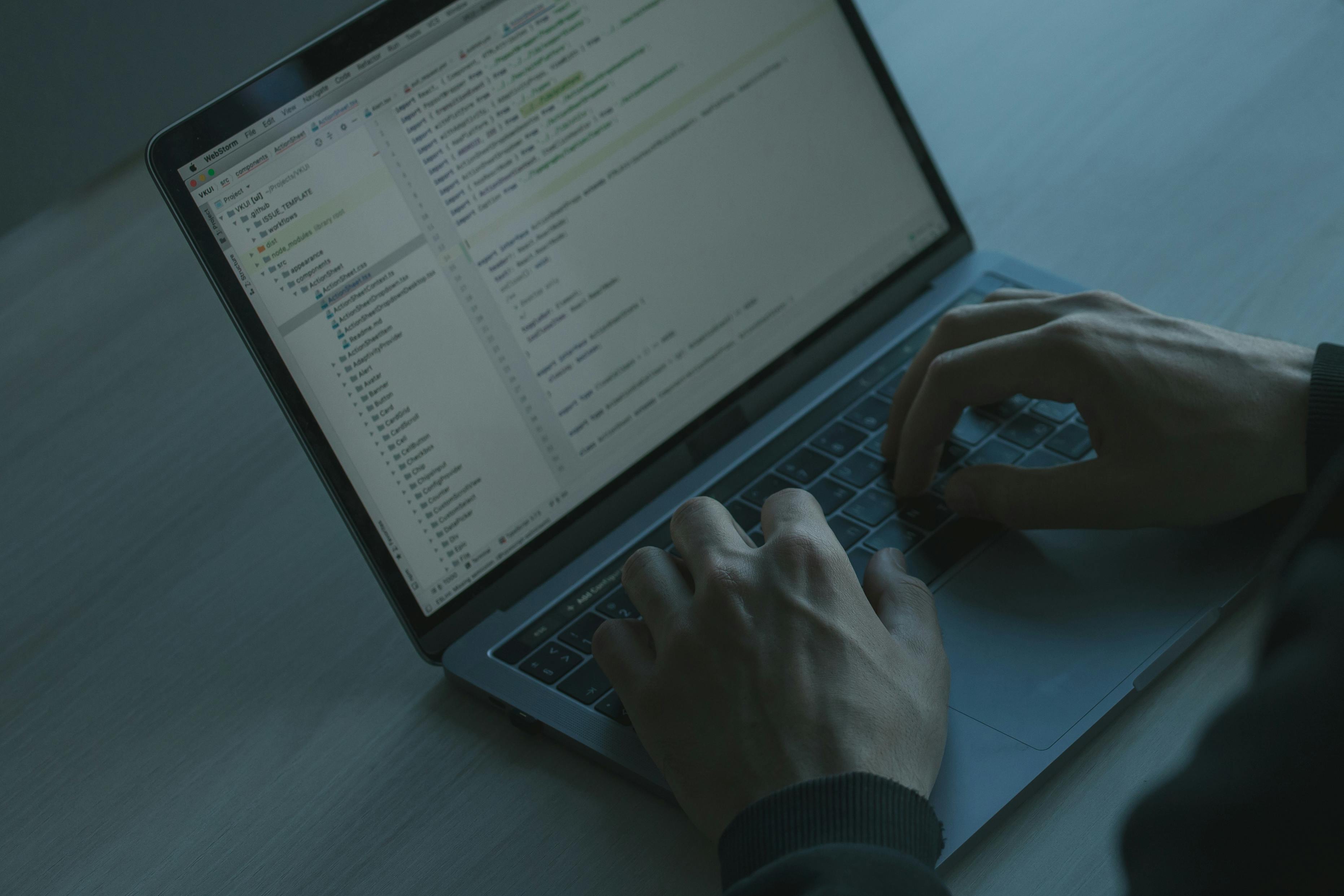
The Polite Thief at Your Digital Door
Imagine this: it is a Tuesday morning, the coffee is still lukewarm, and your help desk technician receives a call. The person on the other end sounds frazzled. They are a new hire, they are locked out of their account, they have a meeting in five minutes, and they are terribly sorry to be such a bother. They sound exactly like the kind of person you would hold the elevator for. They are polite, they are urgent, and they are completely fake.
For years, we have been conditioned to fear the shadowy hacker in a dark room, tapping away at lines of complex code to break through firewalls. We spent millions on endpoint protection and sophisticated encryption. But the threat landscape has shifted. Today, the most dangerous weapon in a cybercriminal’s arsenal is not a zero-day exploit; it is a human voice and a well-timed request for help. We are living in an era where trust, once our greatest organizational asset, has become our most significant liability.
The Death of the Malware-First Mindset
We need to stop thinking about breaches as technical failures. When a threat actor bypasses your security perimeter by calling an employee, they aren't hacking a computer; they are hacking a person. This is social engineering at its most refined. Because we have done a decent job of hardening our digital infrastructure, attackers are taking the path of least resistance. Why spend months crafting a custom malware strain when you can simply ask an overworked support staffer to reset a password?
The barrier to entry for these attacks has plummeted. You no longer need to be a coding genius to pull this off. You just need to be a decent actor with a decent script. Fraudsters are counting on the fact that your employees are trained to be helpful, efficient, and customer-focused. They are weaponizing your own culture against you.
The AI Factor: Deepfakes and the End of "I Know That Voice"
If you think you can spot a scammer by their tone, think again. Artificial Intelligence has changed the game. We are seeing a surge in voice-cloning technology that can mimic a CEO or a manager with frightening accuracy. A threat actor can scrape a few public videos of an executive from LinkedIn or a company website, feed them into a generative AI tool, and suddenly, they can call your finance department sounding exactly like the boss.
This isn't science fiction. It is happening in boardrooms and back offices right now. When an employee hears the voice of their boss on the other end of the line, their internal alarm bells go silent. They stop following the verification protocol because they trust the person they think they are talking to. That split-second decision is all it takes to authorize a fraudulent wire transfer or hand over administrative credentials.
The Anatomy of a Help Desk Heist
Let’s look at a common scenario. An attacker identifies a target company and gathers information about its employees through public social media profiles. They find out who the IT manager is, what software the company uses, and even the names of team members. They then call the help desk, pretending to be a specific employee who is traveling or having a technical crisis.
They provide just enough personal information—which they pulled from LinkedIn—to put the technician at ease. They might even mention a recent company event or a project they know the employee is working on. The technician, wanting to be helpful and avoid a negative performance review for slow service, skips the multi-factor authentication check or accepts a bypass. In less than five minutes, the attacker has full access to the corporate network. No malware, no breach of the firewall, just a conversation.
How to Rebuild Trust Without Losing Your Humanity
So, do we stop trusting everyone? Do we turn our offices into fortresses of suspicion? Not necessarily. But we do need to update our definition of trust. Trust should not be based on a voice, a name, or a sense of urgency. Trust must be based on verification.
- Standardize Authentication: No matter how urgent the request or who is on the line, the protocol must be identical for everyone. If you require two-factor authentication, it is non-negotiable. Even for the CEO.
- Create a Culture of Friction: We often talk about reducing friction in IT, but a little bit of friction is a great security feature. Encourage employees to say no to requests that don't follow the standard process. Make it clear that following procedure is the most helpful thing they can do.
- Out-of-Band Verification: If a request comes in via phone or email that involves sensitive access or financial transactions, verify it through a different channel. If they call you, hang up and call them back on their verified internal extension.
- Simulated Training: Most employees are trained to spot phishing emails, but far fewer are trained to spot social engineering over the phone. Run drills. Have someone call your help desk pretending to be an executive and see how your team reacts. Use these moments for education, not punishment.
The Bottom Line
The fraudsters are betting on your desire to be a good colleague. They are betting that your help desk wants to solve problems quickly. They are counting on the fact that humans are naturally inclined to trust one another. To beat them, we have to decouple our professional kindness from our security protocols. You can be a helpful, kind, and efficient employee while still being a human firewall. In the age of AI-driven fraud, the most secure organization is the one that has learned that while trust is earned, access must always be verified.