ADHD & Dementia: A Surprising Link & What You Need to Know

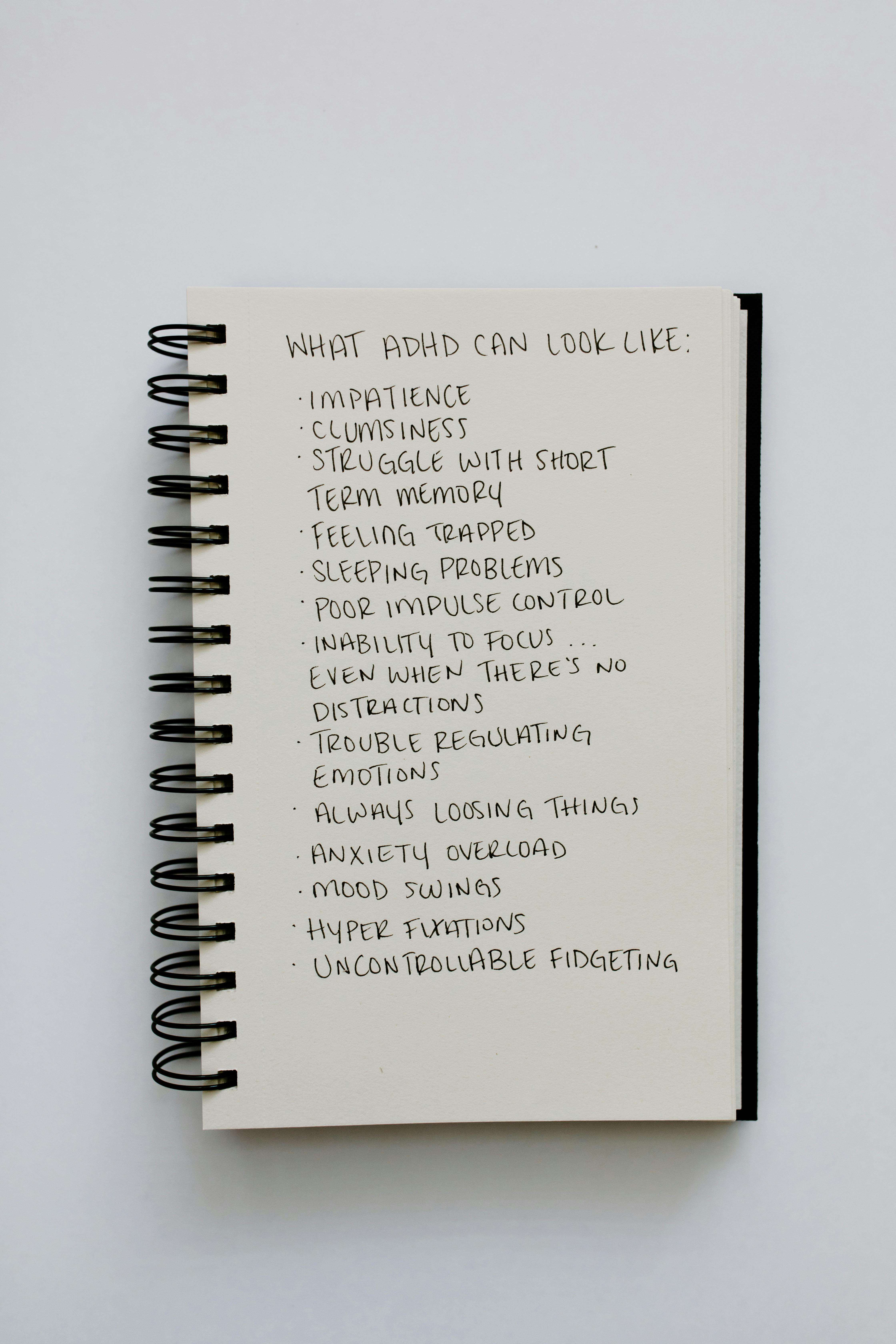
The Unexpected Connection: ADHD, Iron, and Your Brain's Future
Imagine this: You're juggling a dozen things at once, constantly battling distractions, and feeling like your brain is a runaway train. Now, imagine that feeling isn't just about today's to-do list, but could potentially be linked to something far more serious down the road. That's the unsettling reality emerging from new research exploring the connection between Attention Deficit Hyperactivity Disorder (ADHD) and the risk of developing dementia, particularly Alzheimer's disease, later in life. It's a topic that demands attention, not just for those with ADHD, but for anyone interested in brain health and aging. Let's dive deep into what this means and, most importantly, what you can do about it.
The Study: Peeling Back the Layers of the ADHD Brain
Recent studies have revealed some fascinating, and frankly, concerning findings. Researchers have discovered that the brains of adults with ADHD show similarities to those seen in individuals with dementia. This isn't a simple correlation; it's about neurological markers that are often seen in the early stages of age-related dementias. Specifically, the study pointed to two key indicators:
- Elevated Iron Levels: Certain regions of the brains of individuals with ADHD exhibited higher levels of iron. While iron is crucial for brain function, excessive accumulation can lead to oxidative stress and damage, which are known contributors to neurodegenerative diseases like Alzheimer's.
- Increased Neurofilament Levels (NfL): Neurofilaments are proteins that make up the structural framework of nerve cells. Higher levels of NfL in the blood indicate nerve cell damage or breakdown. These elevated levels are often observed in the early stages of dementia, suggesting that the brain is experiencing some form of distress.
This isn't to say that everyone with ADHD will develop dementia. However, the presence of these markers suggests a potential increased risk and highlights the need for further research into the underlying mechanisms at play. It’s like the early warning lights flashing on your car's dashboard; they don't guarantee a breakdown, but they certainly warrant a check-up.
Understanding the Nuances: It's Not a Straight Line
It’s crucial to understand that this is not a definitive cause-and-effect relationship. Having ADHD doesn’t automatically mean you'll develop dementia. Many factors influence cognitive decline, including genetics, lifestyle, and overall health. Think of it as a complex interplay of variables, rather than a simple equation. The study provides preliminary evidence of a neurological link, but more research is needed to fully understand the nature of this relationship.
Let's use an analogy: Imagine you're building a house. ADHD might be like having slightly weaker foundations. While the house might stand strong for years, it could potentially be more vulnerable to the stresses of aging (like the weather, the weight of the roof, etc.), making it more susceptible to damage over time. Healthy lifestyle choices (like regular maintenance of the house) can help strengthen the foundation.
Real-World Examples and Anecdotes: Putting it in Perspective
While scientific studies provide the framework, real-life examples can help bring this information into sharper focus. Consider the case of Sarah, a 45-year-old woman diagnosed with ADHD in her late thirties. Sarah had always struggled with focus, organization, and impulsivity. She chalked it up to personality quirks until her symptoms started impacting her work and relationships. After learning about the potential link between ADHD and dementia, Sarah decided to prioritize her brain health. She started taking medication to manage her ADHD symptoms, incorporated regular exercise into her routine, and adopted a Mediterranean diet known for its brain-boosting benefits. While she's not guaranteed to avoid cognitive decline, Sarah is actively taking steps to protect her brain health, and she feels a sense of proactive control.
Or consider John, a 60-year-old man who has lived with ADHD his entire life, undiagnosed until his late 50s. He struggles with memory issues and has noticed a decline in his cognitive abilities. While he hasn’t been formally diagnosed with dementia, he suspects that the impact of his ADHD on his brain has contributed to his current challenges. John is now working with a neurologist, taking medication, and engaging in cognitive therapy to try and slow down the progression of any potential cognitive decline.
Actionable Steps: What Can You Do?
The most important takeaway isn't fear, but empowerment. Knowledge is power, and understanding this potential link allows us to take proactive steps to protect our brain health. Here are some actionable strategies:
- Seek Professional Diagnosis and Treatment: If you suspect you or a loved one has ADHD, get a proper diagnosis from a qualified healthcare professional. Effective treatments, including medication and therapy (like Cognitive Behavioral Therapy), can significantly improve ADHD symptoms and overall quality of life.
- Embrace a Brain-Healthy Lifestyle: Regardless of your ADHD status, prioritize a brain-healthy lifestyle. This includes:
- Regular Exercise: Aim for at least 150 minutes of moderate-intensity or 75 minutes of vigorous-intensity exercise per week. Exercise has been shown to improve cognitive function and reduce the risk of dementia.
- Healthy Diet: Focus on a diet rich in fruits, vegetables, whole grains, and healthy fats (like those found in olive oil, avocados, and fatty fish). The Mediterranean diet is a particularly good option.
- Adequate Sleep: Aim for 7-9 hours of quality sleep each night.
- Stress Management: Practice stress-reducing techniques like meditation, yoga, or spending time in nature.
- Cognitive Training and Engagement: Keep your brain active and engaged through activities like reading, puzzles, learning new skills, and social interaction.
- Regular Medical Check-ups: Discuss your concerns with your doctor and undergo regular check-ups, including cognitive assessments if recommended.
- Consider Supplements (With Caution): Some supplements, such as omega-3 fatty acids, vitamin D, and B vitamins, have been linked to brain health. Always consult with your doctor before starting any new supplements, as they can interact with medications or have unintended side effects.
The Future of ADHD and Brain Health
The research linking ADHD and dementia is still in its early stages. Further studies are needed to clarify the nature of this relationship, identify specific risk factors, and develop targeted interventions. Scientists are exploring potential therapeutic approaches, including early detection methods and personalized treatments based on individual risk profiles. The good news is that the more we learn, the better equipped we'll be to protect our brain health and promote healthy aging.
Conclusion: Taking Control of Your Cognitive Future
The connection between ADHD and dementia is a complex and evolving area of research. While the findings may be concerning, they also present an opportunity. By understanding the potential risks and taking proactive steps, you can significantly improve your brain health and cognitive well-being. It's about making informed choices, embracing a healthy lifestyle, and seeking professional support when needed. Think of it as investing in your future self – a future where your brain remains sharp, resilient, and capable. The journey to brain health isn't a sprint; it's a marathon. Start today, and take control of your cognitive future.
This post was published as part of my automated content series.