AI-Powered Empathy: Revolutionizing Customer Connection

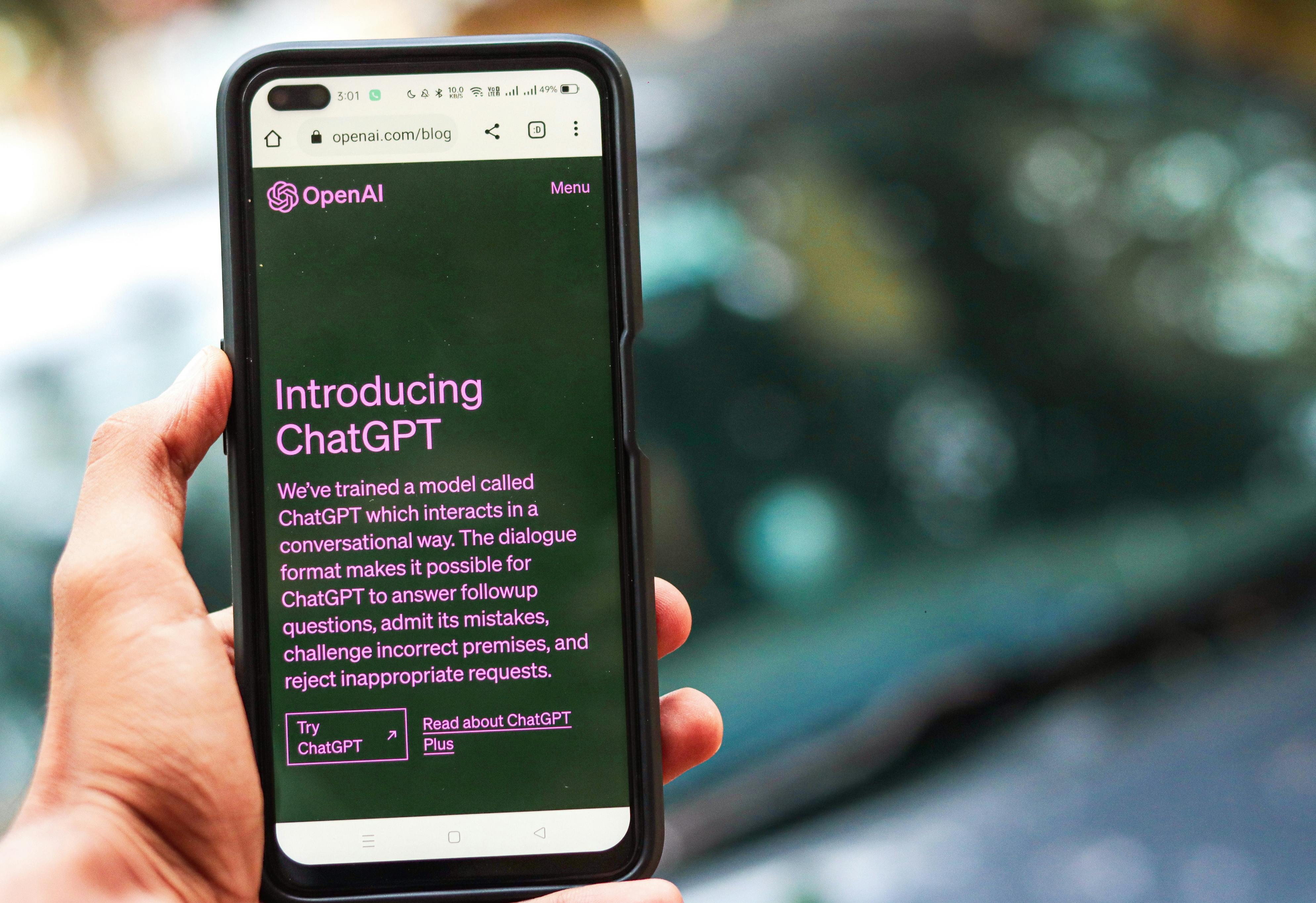
The Human Touch in a Digital World: Can AI Really Care?
Remember the days of being stuck on hold, listening to elevator music while desperately trying to explain a problem to a robot? Thankfully, those customer service nightmares are becoming relics of the past. We're entering a new era, an era where artificial intelligence isn't just about automating tasks; it's about understanding and responding to human emotions. Forget the cold, impersonal interactions – we're talking about AI-powered empathy, and it's poised to completely revolutionize how businesses connect with their customers.
Decoding the Customer: How AI Reads Between the Lines
So, how does AI achieve this seemingly impossible feat? It all boils down to its ability to analyze vast amounts of data and identify patterns that humans might miss. Here's a breakdown of the key ways AI is injecting empathy into customer interactions:
- Sentiment Analysis: This is the cornerstone of empathetic AI. Sentiment analysis algorithms scour customer interactions (emails, chat logs, social media posts, even voice recordings) to gauge the customer's emotional state. Is the customer frustrated, happy, confused, or angry? AI can detect these nuances with remarkable accuracy, allowing businesses to tailor their responses accordingly. For example, if a customer's tone is identified as highly frustrated, the system can automatically prioritize the interaction or route it to a specialist trained in conflict resolution.
- Personalized Recommendations: Forget generic suggestions. AI can analyze a customer's past purchases, browsing history, and even demographic data to offer highly relevant product recommendations. This creates a sense of understanding and caters to individual needs, making the customer feel valued. Think about Netflix: it doesn't just show you everything; it suggests shows and movies it knows you'll likely enjoy.
- Proactive Problem Solving: Before a customer even realizes they have a problem, AI can step in. By monitoring customer behavior and identifying potential issues (e.g., a customer repeatedly failing to complete a purchase), AI can trigger proactive interventions, like offering assistance or troubleshooting steps. This shows a genuine care for the customer's experience.
- Chatbots with a Heart: The days of clunky, rule-based chatbots are fading. Today's AI-powered chatbots can engage in more natural, human-like conversations. They can understand complex queries, provide personalized support, and even inject a bit of personality into the interaction. They can also learn from each interaction, constantly improving their ability to understand and respond to customer needs.
Real-World Examples: AI in Action
Let's look at some concrete examples of how businesses are leveraging AI-powered empathy:
1. Sephora's Virtual Artist: Sephora's AI-powered virtual artist analyzes a customer's skin tone, facial features, and preferences to recommend makeup products. This personalized experience helps customers find the perfect products and reduces the need for in-store consultations, making the shopping experience more convenient and enjoyable.
2. KLM Royal Dutch Airlines' Chatbot, BlueBot: BlueBot can handle a wide range of customer inquiries, from flight information to baggage claims. It can understand multiple languages and even offer personalized travel advice based on the customer's itinerary. This level of support significantly improves the customer experience, particularly for international travelers.
3. Netflix's Recommendation Engine: As mentioned earlier, Netflix's recommendation engine is a prime example of AI-driven personalization. By analyzing viewing habits, it curates a list of shows and movies tailored to each user's preferences, keeping them engaged and coming back for more.
4. Crisis Text Line: Crisis Text Line uses AI to identify texters who are in the most urgent need of support. This allows them to prioritize conversations and ensure that those at highest risk receive immediate assistance from trained crisis counselors. This is a powerful example of AI being used for good.
The Challenges and the Future
While the potential of AI-powered empathy is immense, there are challenges to consider:
- Data Privacy: Collecting and using customer data requires careful consideration of privacy regulations and ethical guidelines. Transparency and consent are crucial.
- Bias and Fairness: AI algorithms can inherit biases present in the data they are trained on, potentially leading to unfair or discriminatory outcomes. Careful monitoring and mitigation strategies are essential.
- The Human Element: AI should augment, not replace, human interactions. Building trust and empathy requires a balance between AI-powered automation and genuine human connection.
The future of customer connection is undoubtedly intertwined with AI. As AI technology continues to evolve, we can expect even more sophisticated ways to understand and respond to customer needs. We'll see AI systems that can predict customer emotions with even greater accuracy, personalize interactions to an unprecedented degree, and proactively offer solutions before problems arise. We will also see more integrations of AI across various customer touchpoints, creating a seamless and empathetic experience.
Actionable Takeaways: Embracing the Empathetic AI Revolution
Ready to embrace the power of AI-powered empathy? Here are some actionable steps:
- Invest in Sentiment Analysis: Integrate sentiment analysis tools into your customer service channels to gain insights into customer emotions.
- Personalize Your Communications: Leverage customer data to tailor your messaging, product recommendations, and offers.
- Empower Your Chatbots: Upgrade your chatbots with AI capabilities to handle more complex queries and provide personalized support.
- Train Your Team: Equip your human customer service representatives with the skills and tools they need to work effectively alongside AI.
- Prioritize Data Privacy: Implement robust data privacy measures and be transparent with your customers about how you use their data.
By embracing these strategies, businesses can build stronger customer relationships, increase loyalty, and ultimately, thrive in the age of AI-powered empathy. The future of customer connection isn't just about efficiency; it's about creating meaningful, human-centered experiences. And that's a future we can all look forward to.
This post was published as part of my automated content series.