Boeing's 737 Max Plea: How Weakening Penalties Hurts Everyone

Boeing's Plea Deal: A Deep Dive
Imagine boarding a plane, your heart brimming with excitement for a new adventure. Now, imagine that flight ending in tragedy, not due to an unforeseen accident, but because of corporate negligence. That's the reality families of the victims of the 737 Max crashes are facing. And now, reports are surfacing that Boeing is trying to weaken the penalties it faces for these horrific tragedies. Let's unpack this, shall we?
The 737 Max Tragedy: A Quick Recap
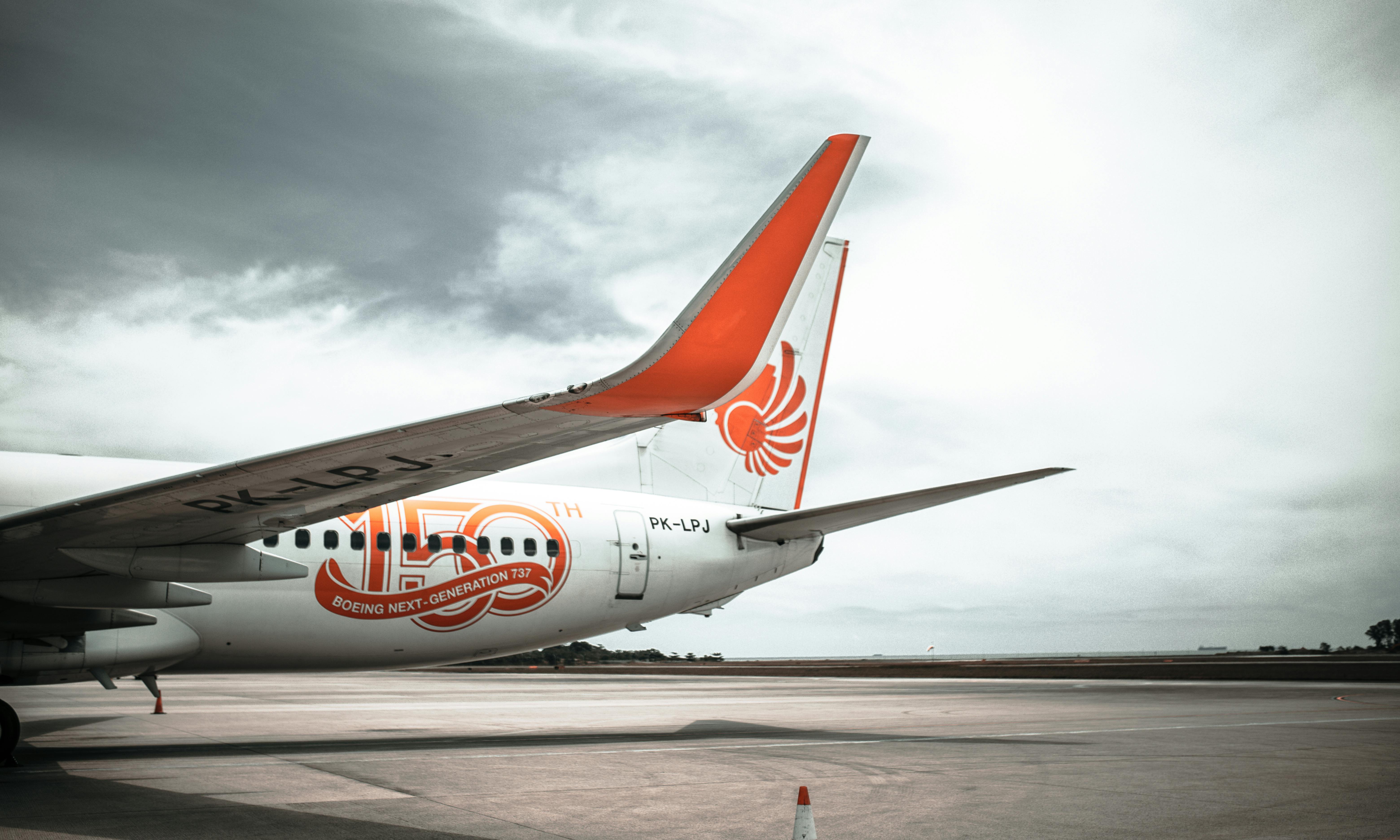
Before we dive into the current situation, let's refresh our memories. In 2018 and 2019, two Boeing 737 Max aircraft crashed, one in Indonesia and the other in Ethiopia, tragically killing a combined 346 people. Investigations revealed that a faulty flight control system, known as the Maneuvering Characteristics Augmentation System (MCAS), was a major contributing factor. Boeing was accused of concealing crucial information about the MCAS system and failing to adequately train pilots. The consequences? Devastating. Lives were lost, families were shattered, and the reputation of a global aviation giant was severely damaged.
The Plea Deal: What Was Supposed to Happen
Following the crashes, Boeing entered into a deferred prosecution agreement (DPA) with the U.S. Department of Justice (DOJ). This agreement, essentially a plea deal, allowed Boeing to avoid criminal prosecution if it met certain conditions. These conditions typically include:
- Cooperation: Full cooperation with ongoing investigations.
- Financial Penalties: Paying substantial fines and restitution to victims' families.
- Compliance Measures: Implementing stringent safety and compliance programs to prevent future incidents.
The idea was that this DPA would hold Boeing accountable while also allowing the company to continue operating, albeit under stricter oversight. It was also meant to provide some measure of justice and compensation for the victims and their families.
The Problem: Boeing Wants to Soften the Blow
Here's where the story takes a turn. Reports indicate that Boeing is now requesting the Trump administration weaken the penalties outlined in the DPA. The specific details of these requests are still emerging, but they likely involve reducing the financial penalties, lessening the oversight requirements, or altering the terms of the compliance programs. The families of the victims are, understandably, fiercely opposing these moves. They believe that any weakening of the penalties would be a slap in the face to the memory of their loved ones and would send a dangerous message that corporate negligence can be excused.
Why This Matters: The Ripple Effects of Corporate Accountability
This situation goes far beyond just Boeing and the 737 Max crashes. It's a case study in corporate accountability, the importance of safety regulations, and the devastating impact of prioritizing profits over people. Consider these key takeaways:
1. The Erosion of Trust
When a company, especially one as prominent as Boeing, is perceived as trying to wiggle out of accountability, it erodes public trust. People rely on airlines and aircraft manufacturers to prioritize safety above all else. Any attempt to reduce penalties undermines this trust and makes passengers feel less safe when they fly.
2. The Message to Other Corporations
Weakening penalties sets a precedent. It signals to other corporations that they can cut corners on safety, conceal crucial information, and prioritize profits over human lives, and if something goes wrong, the consequences might be manageable. This is a recipe for disaster.
3. The Importance of Independent Oversight
The situation highlights the crucial role of independent oversight and regulatory bodies. The Federal Aviation Administration (FAA) has faced criticism regarding its handling of the 737 Max certification process. The push for weaker penalties shows the critical necessity of having robust, independent regulators who are not beholden to the corporations they oversee.
4. The Victims' Families Deserve Justice
The families of the victims have suffered unimaginable pain. They deserve justice, which includes meaningful accountability for those responsible for the crashes. Weakening the penalties would be a betrayal of their grief and their fight for justice.
Case Study: The Deepwater Horizon Disaster
Let's look at a similar situation. The Deepwater Horizon oil spill in 2010 was another instance of corporate negligence leading to a major tragedy. BP, the company responsible, initially faced criminal charges and substantial fines. However, the legal battles continued for years, and the company attempted to minimize its responsibility. The eventual penalties, while significant, were arguably less severe than they should have been, given the environmental damage and the loss of life. This case underscores the long-term ramifications of corporate accountability and the challenges of ensuring true justice after a major disaster.
How You Can Make a Difference
You might be thinking, “Okay, this is a serious issue, but what can I do?” Here are some actions you can take:
- Stay Informed: Follow news outlets and credible sources to stay updated on the situation. Understand the details and the arguments on both sides.
- Support the Victims' Families: Many advocacy groups are fighting for justice for the victims' families. Consider donating or volunteering to support their efforts.
- Contact Your Representatives: Let your elected officials know that you expect them to hold corporations accountable and ensure that the penalties against Boeing are upheld.
- Demand Transparency: Advocate for greater transparency in the aviation industry and for stronger safety regulations.
- Be a Conscious Consumer: When you fly, research the airline and aircraft you are using. Support companies that prioritize safety and transparency.
Conclusion: Safety First, Always
The situation with Boeing and the 737 Max plea deal is a stark reminder of the importance of corporate accountability and the devastating consequences of prioritizing profit over human lives. Weakening the penalties would be a grave injustice to the victims' families and would send a dangerous message to other corporations. We, as consumers and citizens, have a responsibility to stay informed, advocate for justice, and demand that safety is always the top priority in the aviation industry. It's not just about Boeing; it's about ensuring that tragedies like the 737 Max crashes never happen again.
This post was published as part of my automated content series.