How elephants plan their journeys: New study reveals energy-saving strategies

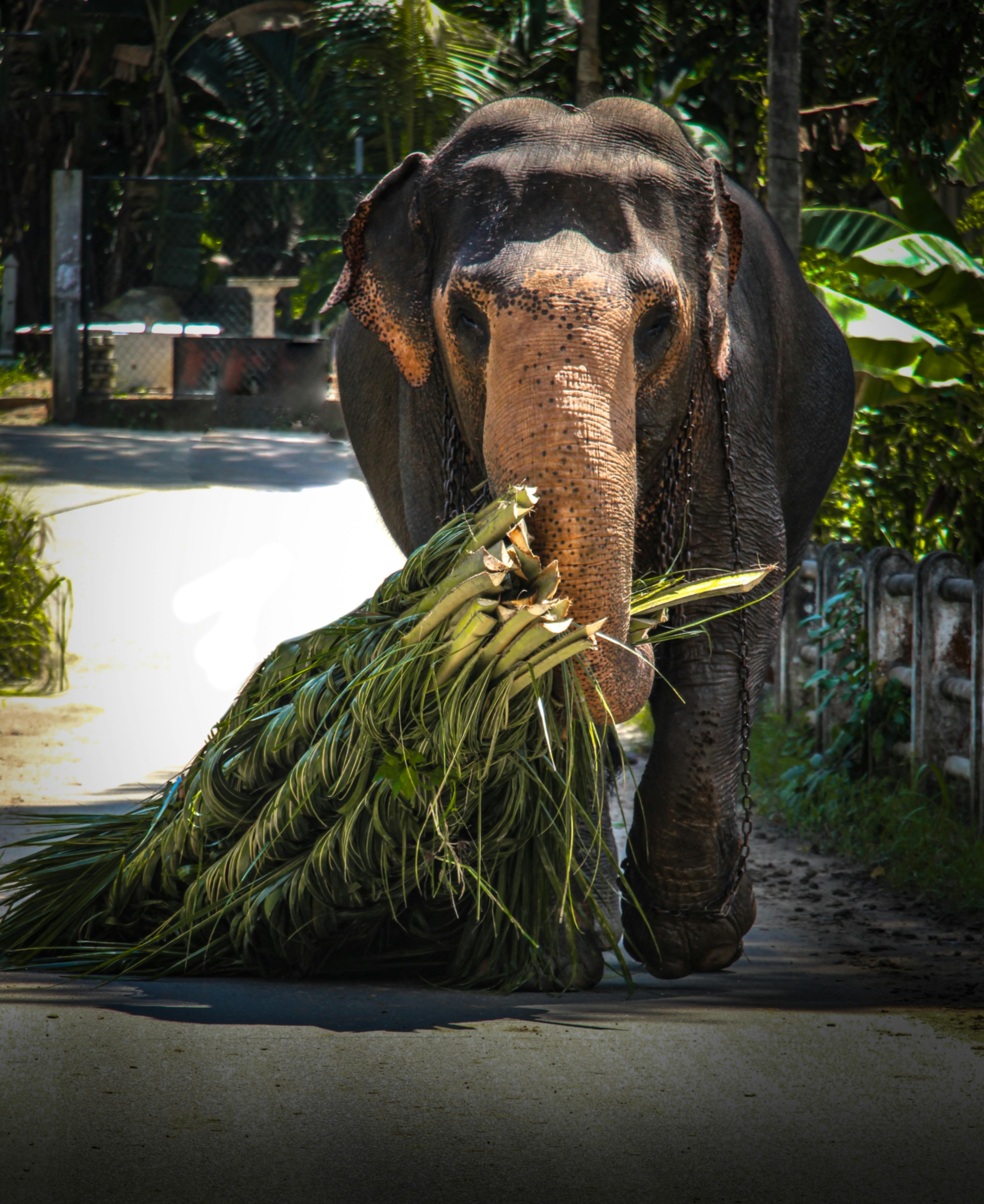
The Great Elephant Expedition: A Masterclass in Efficiency
Imagine you're planning a cross-country road trip. You wouldn't just blindly hit the gas, right? You'd consider fuel costs, rest stops, and where the best (and cheapest!) food is. Now, picture that same level of planning, but with a creature that weighs several tons, needs hundreds of pounds of food daily, and is facing the vast, unpredictable African savanna. That’s the reality for African elephants, and a new study has revealed their surprisingly sophisticated approach to journey planning, a masterclass in energy conservation.
Unveiling the Elephantine GPS: The Science Behind the Study
This groundbreaking research, which analyzed data from over 150 African elephants, sheds light on how these magnificent creatures navigate their environments. The study focused on understanding how elephants balance their massive energy needs with the availability of resources and the energetic costs of travel. Researchers utilized GPS tracking data, detailed observations of elephant behavior, and sophisticated modeling techniques to map elephant movements and assess their decision-making processes.
Main Point 1: The Energy Equation - Fueling the Journey
At the heart of elephant journey planning lies a fundamental principle: minimizing energy expenditure. Elephants are constantly balancing the need to find enough food and water with the energy required to travel between those resources. This isn't just about distance; it's about the terrain, the time of day, and the availability of resources along the way. Their decisions are guided by a complex internal 'energy budget,' constantly updated based on factors like age, sex, and even the presence of calves.
Consider this: An elephant might choose a longer route that is less hilly, even if it means traveling further, because the reduced energy cost of navigating flatter terrain outweighs the extra distance. This is akin to choosing a more fuel-efficient car for a long drive, even if it takes a little longer to reach your destination.
Main Point 2: Resource Scouting - The Importance of Knowing Your Neighborhood
Elephants possess an incredible memory and a profound understanding of their environment. They have a detailed 'mental map' of resource locations: where the best grazing areas are, where water sources are reliable, and even the seasonal variations in food availability. This knowledge is crucial for planning efficient journeys. They don’t just wander aimlessly; they make informed choices based on their past experiences and current conditions.
For example, during the dry season, an elephant might travel further to reach a known water source, even if it means sacrificing prime grazing opportunities. This decision is driven by the critical need for water, outweighing the immediate benefits of easier-to-reach food sources. They know the 'lay of the land' and plan accordingly. This is similar to how a seasoned hiker knows the location of reliable water sources on a long trail, and plans their route around them.
Main Point 3: Social Factors - The Herd's Collective Wisdom
Elephant herds, often led by matriarchs, are not just groups of individuals; they're complex social units. The matriarch, typically the oldest and most experienced female, plays a crucial role in journey planning. She guides the herd based on her accumulated knowledge of the environment, including the best routes, resource locations, and potential dangers. Younger elephants learn from the matriarch and other experienced members of the herd, building their own understanding of the landscape over time.
Think of it like a family road trip where the parents, having traveled the route before, make the key decisions about the route and rest stops, and the children learn from them. This collective wisdom ensures the herd’s survival and allows them to navigate even the most challenging environments efficiently. Case in point: a matriarch may lead her herd to a waterhole that hasn't been used in years, relying on her memory of a past season's rainfall.
Main Point 4: Adaptability - Responding to Changing Conditions
The savanna environment is dynamic. Rainfall patterns shift, vegetation grows and withers, and threats like predators and human encroachment can change the landscape. Elephants are remarkably adaptable, constantly adjusting their travel plans in response to these changing conditions. They can alter their routes, foraging patterns, and even their social interactions to cope with environmental challenges.
Consider a scenario where a drought drastically reduces water availability. Elephants might alter their travel patterns, focusing on known, reliable water sources, even if it means venturing into areas with increased risk from human activity or other predators. This adaptability is crucial for their survival. It's like a skilled sailor adjusting their sails to navigate a sudden change in wind direction.
Real-World Examples: Elephant GPS in Action
Let's look at a few examples to illustrate how this planning works in practice:
- The Dry Season Challenge: During extended dry periods, elephants might embark on long journeys to reach permanent water sources, like deep wells or rivers, even if it means traveling through less favorable grazing areas. This prioritizes hydration, the ultimate survival factor.
- The Grazing Strategy: Elephants often graze in areas with the highest-quality vegetation, shifting their foraging patterns as the season progresses and the nutritional value of different plants varies.
- The Herd's Collective Decision: When faced with a threat, such as a nearby lion pride, the matriarch might lead the herd to a safer location, using her knowledge of the landscape to find a defensible position with access to resources.
From Savanna to Your Life: Actionable Takeaways
What can we learn from the elephants' planning prowess? Here are some actionable takeaways:
- Plan Ahead: Just like the elephants, think ahead. Before embarking on any journey, whether it's a physical trip or a project, assess your resources, potential obstacles, and the energy costs involved.
- Prioritize: Identify your essential needs and prioritize them. Focus on securing the resources you need most, whether it’s water, food, or knowledge.
- Gather Information: Do your research. Learn as much as you can about your environment, including the resources available, potential risks, and the best routes to take.
- Adapt and Adjust: Be prepared to adjust your plans as circumstances change. Flexibility and adaptability are key to navigating any challenge.
- Learn from Experience: Elephants learn from their past experiences. Keep a record of what works and what doesn't, and use that knowledge to improve your planning in the future.
- Seek Guidance: Surround yourself with experienced people who can offer guidance and share their knowledge.
Conclusion: The Wisdom of the Giants
The study of elephant journey planning offers a fascinating glimpse into the intelligence and resilience of these magnificent creatures. By understanding their strategies for energy conservation and resource management, we gain a deeper appreciation for the complexities of the natural world. Elephants, with their intricate planning, remind us of the importance of thoughtful decision-making, adaptability, and the power of collective wisdom. Their journey planning is a lesson in efficiency, reminding us that even the largest of creatures can master the art of navigating challenges with grace and intelligence. Next time you plan a trip, remember the elephants and their extraordinary ability to balance their needs with the resources available – a lesson we can all apply to our own lives.
This post was published as part of my automated content series.