Siberia's Land Cover Map: A Climate Science Game Changer

Melting Permafrost, Rising Stakes: Siberia's Secret Weapon
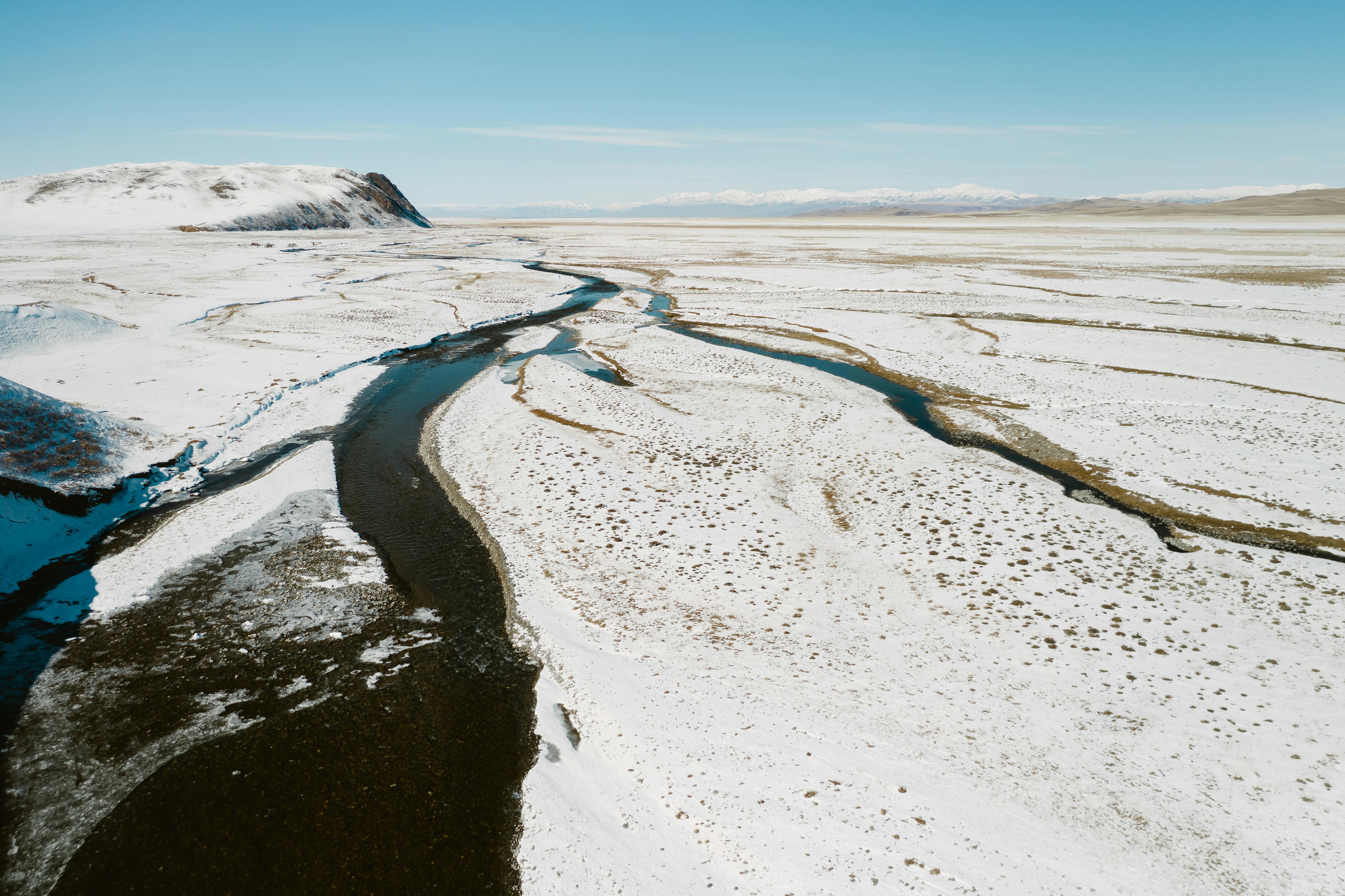
Imagine a vast, frozen landscape, stretching across continents, holding secrets of our planet's past and clues to its future. That's Siberia. For years, scientists have struggled to understand this critical region, battling inaccurate data and fragmented information. But now, a new dawn breaks. Researchers have unveiled a highly accurate land cover map of Siberia, a breakthrough that could revolutionize our understanding of climate change and its impact on the world. This isn't just another map; it's a powerful tool, a secret weapon in the fight to understand and predict the future of our climate.
The Problem: Patchwork of Imperfection
For years, scientists relied on existing land cover datasets to understand Siberia. These maps attempt to classify the land – is it forest? Tundra? Wetlands? – using satellite imagery and other data. However, these maps were often inconsistent, built using different methodologies and with varying degrees of accuracy. Imagine trying to assemble a jigsaw puzzle where the pieces don't quite fit, or the colors are slightly off. That's the challenge researchers faced. This lack of precision made it difficult to accurately assess crucial factors like carbon storage in the vast Siberian forests and the rate of permafrost thaw, both of which are critical to understanding global climate change.
The Solution: Machine Learning to the Rescue
The key to this breakthrough was the application of advanced machine learning techniques. Researchers didn't just create another map; they built a superior one. They leveraged existing, albeit imperfect, land cover maps and fed them into sophisticated algorithms. These algorithms, trained on vast amounts of data, learned to identify patterns and correct inconsistencies, effectively stitching together a more accurate and comprehensive picture of Siberia's land cover. Think of it like an expert editor, meticulously reviewing and refining multiple drafts to produce the definitive version.
Here’s how the process worked, broken down into key steps:
- Data Integration: Researchers gathered multiple existing land cover maps, each with its own strengths and weaknesses.
- Algorithm Training: They fed this data into powerful machine learning algorithms, teaching them to recognize patterns and identify discrepancies.
- Accuracy Assessment: The algorithms were rigorously tested and validated to ensure the new map's precision.
- The Result: A refined, highly accurate land cover map that surpasses previous efforts in detail and reliability.
Why Siberia Matters: A Climate Change Hotspot
Siberia is not just a pretty place; it's a climate change hotspot. The region is warming at more than twice the global average rate. This rapid warming has profound consequences, including:
- Melting Permafrost: The frozen ground is thawing, releasing massive amounts of methane and carbon dioxide, potent greenhouse gases that accelerate climate change.
- Forest Fires: Warmer temperatures and drier conditions increase the risk of devastating wildfires, further releasing carbon into the atmosphere.
- Changes in Ecosystems: The shifting landscape is altering plant and animal habitats, potentially leading to biodiversity loss.
Understanding these processes is crucial for predicting future climate scenarios and developing effective mitigation strategies. The new land cover map provides the detailed information needed to monitor these changes and make informed decisions.
Real-World Impact: Unlocking Critical Insights
The implications of this new map are far-reaching. Here are a few examples:
Carbon Cycle Modeling: Accurate land cover data is essential for modeling the carbon cycle. By knowing the extent of forests, wetlands, and other ecosystems, scientists can estimate how much carbon is being stored and released in Siberia. This information is critical for understanding the feedback loops that drive climate change.
Permafrost Monitoring: The map provides a detailed baseline for monitoring permafrost thaw. Researchers can use it to track changes in land cover over time and identify areas most vulnerable to thawing. This information is crucial for predicting the release of greenhouse gases and assessing the risks of infrastructure damage in permafrost regions.
Wildfire Risk Assessment: By mapping vegetation types, the map helps assess wildfire risk. Scientists can identify areas with high fuel loads and predict the potential spread of fires. This information can be used to develop early warning systems and implement fire management strategies.
Case Study: The Lena River Delta. The Lena River Delta, one of the world's largest deltas, is a critical area for understanding permafrost dynamics. The new map provides a much more accurate picture of the delta's complex land cover, including the distribution of wetlands, which are significant sources of methane. Researchers can now better model methane emissions from this area, leading to improved climate predictions.
The Future: A Collaborative Effort
This breakthrough is not just a one-off achievement; it's the beginning of a new era. The researchers plan to update the map regularly, incorporating new data and refining their algorithms. They are also sharing their data and methods with the scientific community, fostering collaboration and accelerating progress in climate science. This is a testament to the power of open science and its potential to address the world's most pressing challenges.
Actionable Takeaways: What Does This Mean for You?
So, what can you take away from this? Here are a few key points:
- Support Climate Research: Advocate for funding and support for climate research, particularly in regions like Siberia.
- Stay Informed: Follow the latest climate science news and updates to stay informed about the progress being made.
- Reduce Your Carbon Footprint: Take steps to reduce your own carbon emissions through sustainable practices.
- Spread Awareness: Share this information with your friends, family, and colleagues to raise awareness about the importance of climate action.
The new land cover map of Siberia is a significant step forward in our understanding of climate change. By providing unprecedented detail and accuracy, it empowers scientists to make more informed predictions and develop effective strategies to mitigate the effects of a warming world. This is a win for science, a win for the planet, and a call to action for all of us.
This post was published as part of my automated content series.