Trash to Treasure: How a Design Firm Built a Sustainable Empire

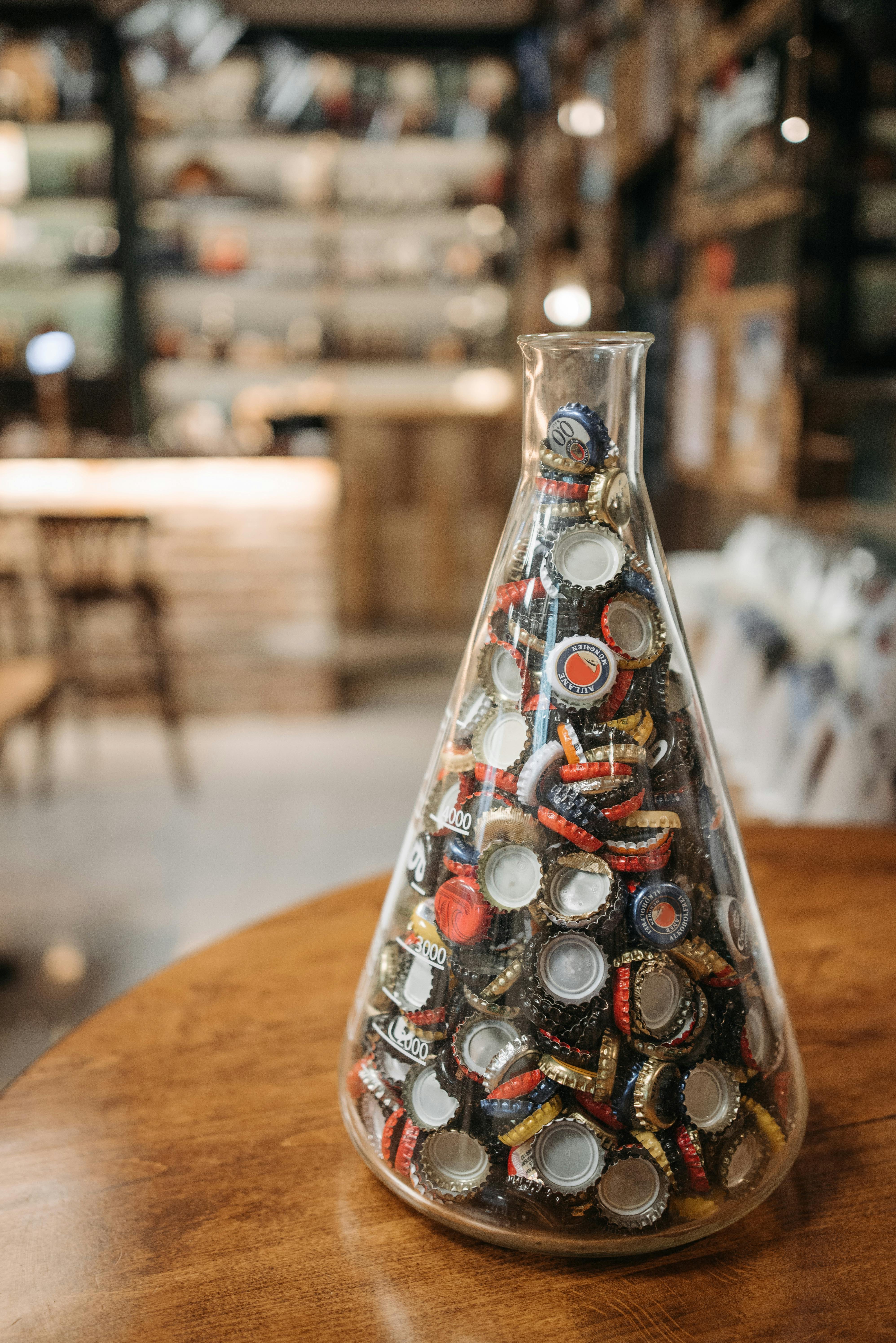
From Landfill to Living Room: A Sustainable Design Revolution
Remember that feeling of pure, unadulterated frustration? That's what Sarah, the founder of “Reclaimed Roots,” felt staring at the overflowing dumpster behind her design studio. Mountains of discarded wood, fabric scraps, and broken furniture – all destined for the landfill. It was a waste, not just of materials, but of potential. Sarah, a passionate advocate for sustainable design, knew there had to be a better way. And so, Reclaimed Roots was born, a design firm that would transform trash into treasure, one stunning piece of furniture at a time.
The Genesis: A Problem, a Passion, and a Purpose
The initial spark for Reclaimed Roots wasn't about profit margins or market trends. It was about purpose. Sarah, armed with a degree in design and a deep-seated belief in environmental responsibility, saw an opportunity to address a significant problem: the wastefulness of the furniture industry. Traditional furniture manufacturing often relies on virgin materials, contributes to deforestation, and generates a significant carbon footprint. Reclaimed Roots aimed to disrupt this cycle, proving that beautiful, high-quality furniture could be created from discarded materials.
The Core Strategy: Upcycling with a Twist
The heart of Reclaimed Roots' success lies in its innovative approach to upcycling. This isn't just about slapping a coat of paint on old furniture; it's a meticulous process that involves:
- Sourcing: Sarah built relationships with local businesses, construction sites, and community centers, securing a steady supply of discarded materials. This included reclaimed wood from old buildings, fabric remnants from textile manufacturers, and even discarded metal scraps.
- Design: Each piece of furniture begins with the material itself. The design team carefully assesses the available materials, letting the unique characteristics of the reclaimed components dictate the final form. This ensures that every piece is one-of-a-kind.
- Technique: Reclaimed Roots employs a blend of traditional woodworking techniques and modern design principles. They carefully clean, repair, and repurpose the materials, often incorporating innovative joinery methods to create durable and aesthetically pleasing pieces. For example, they developed a technique to fuse reclaimed wood with resin, creating stunning tabletops that showcased the wood's natural grain.
- Finishing: The firm uses eco-friendly finishes, such as low-VOC paints and natural oils, to minimize their environmental impact and ensure the furniture is safe for customers.
Case Study: The “Urban Oasis” Collection
One of Reclaimed Roots’ most successful product lines is the “Urban Oasis” collection. This line, inspired by the need for compact, stylish furniture in urban environments, showcases the firm's core principles.
The collection features:
- The “Reclaimed Beam” Coffee Table: Constructed from salvaged timber beams, this table highlights the wood's natural imperfections, giving it a rustic yet modern appeal. The unique character of each beam ensures that no two tables are identical. The table’s sale price is $800, with a materials cost of approximately $80 (including labor for sourcing and preparation), yielding a gross profit margin of over 80%.
- The “Fabric Fusion” Armchair: Using fabric remnants from a local textile mill, this armchair combines comfort and sustainability. The design team utilizes a clever patchwork technique, minimizing fabric waste and creating a visually striking piece. The chair’s sale price is $1200, with a materials cost of around $150 (including the fabric and repurposed frame), resulting in a gross profit margin exceeding 85%.
- The “Metal Marvel” Side Table: This table incorporates discarded metal scraps and reclaimed wood. The design utilizes a unique welding technique, creating a durable and industrial-chic aesthetic. The side table sells for $500, with a materials cost of about $50 (including labor), yielding a gross profit margin of 90%.
These are just a few examples illustrating how Reclaimed Roots has not only created beautiful and functional furniture but has also established impressive profit margins through its sustainable practices.
Building a Sustainable Business: Beyond the Furniture
Reclaimed Roots' success isn't solely based on its innovative upcycling techniques; it's also built on a strong business foundation. Here's how they built their sustainable business:
- Branding and Marketing: They crafted a compelling brand story centered around sustainability, craftsmanship, and unique design. Their marketing efforts focused on highlighting the environmental benefits of their products, attracting customers who value sustainability. They used social media to showcase their design process, educate consumers about upcycling, and build a strong online community.
- Strategic Partnerships: Reclaimed Roots collaborated with local businesses, designers, and artisans to expand their reach and access new materials. They partnered with local interior designers, who became valuable referral sources.
- Transparency and Education: They were transparent about their sourcing and manufacturing processes, educating customers about the environmental impact of their choices. They offered workshops and tutorials on upcycling, empowering others to embrace sustainable practices.
- Scalability: They carefully considered how to scale their operations while maintaining their commitment to sustainability and quality. They focused on streamlining their sourcing and production processes, while also exploring collaborations with larger manufacturers to expand their reach.
Actionable Takeaways: Your Roadmap to Sustainable Design
Reclaimed Roots' story offers valuable lessons for aspiring sustainable entrepreneurs. Here are some actionable takeaways:
- Identify Your Niche: Find a specific area within the design industry where you can utilize reclaimed materials and create unique products.
- Source Strategically: Build relationships with local businesses, construction sites, and community organizations to secure a consistent supply of discarded materials.
- Embrace Innovation: Experiment with different upcycling techniques and design approaches to create innovative and visually appealing products.
- Build a Strong Brand: Develop a compelling brand story that resonates with your target audience, emphasizing your commitment to sustainability and craftsmanship.
- Focus on Quality: Ensure that your products are durable and well-made, providing value to your customers and reducing the need for replacements.
- Educate and Engage: Educate your customers about the benefits of upcycling and the environmental impact of their choices. Engage with your community and build a loyal following.
- Measure and Adapt: Track your progress, analyze your profit margins, and continuously adapt your strategies to optimize your business.
Conclusion: Turning Waste into a Wonderful Future
Reclaimed Roots has proven that it's possible to build a thriving business while making a positive impact on the environment. By turning trash into treasure, they've not only created beautiful furniture but have also inspired a movement towards sustainable design. Their story serves as a powerful reminder that innovation, passion, and a commitment to sustainability can transform discarded materials into a source of profit, beauty, and a brighter future for us all.
This post was published as part of my automated content series.