Brew Your Own Galaxy: Astrophotography for Beginners

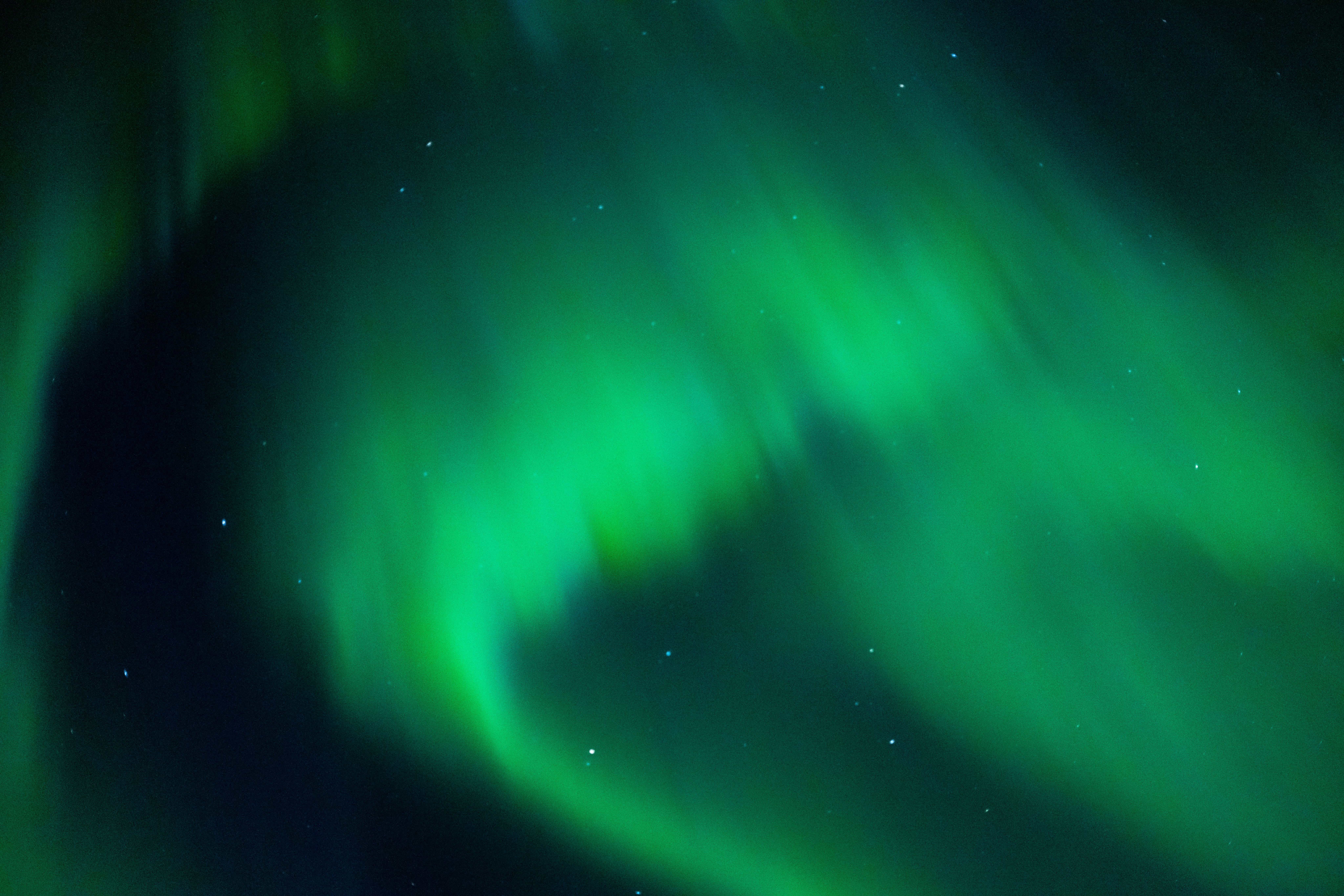
Forget Netflix, Tonight We're Stargazing (and Photographing!)
Ever gazed up at the night sky and felt a sense of wonder, a humbling connection to something vast and ancient? I certainly have. And I bet you, like me, have tried to capture that beauty with your phone, only to be met with a blurry, disappointing photo. Well, friends, it's time to level up! This isn't just about snapping a picture; it's about brewing your own galaxy, one stunning image at a time. Welcome to the beginner's guide to astrophotography – your passport to capturing the cosmos from your own backyard.
Gear Up: The Essential Tools of the Cosmic Trade
Don't worry; you don't need a NASA-sized budget or a Ph.D. in astrophysics to get started. Here's what you'll need:
- A Camera: While a DSLR or mirrorless camera is ideal, you can start with a decent smartphone. The key is manual control. Look for options that allow you to adjust ISO, aperture, and shutter speed.
- A Tripod: Absolutely essential! Long exposures are the name of the game in astrophotography, and a sturdy tripod will keep your camera rock-steady. I once tried to balance my camera on a stack of books – let's just say the results were less than stellar (pun intended!).
- A Wide-Angle Lens: For capturing wide swaths of the sky, a wide-angle lens (14-35mm) is your best friend. This will allow you to photograph constellations and the Milky Way in all their glory.
- A Remote Shutter Release: This minimizes camera shake when taking long exposures. You can also use your phone's self-timer function, but a remote is much more convenient.
- Optional (But Recommended):
- A Star Tracker: This device compensates for the Earth's rotation, allowing for much longer exposures and sharper images.
- A Telescope: For capturing detailed images of planets, galaxies, and nebulae. (We'll leave this for a later chapter, once you've mastered the basics!)
Mastering the Settings: Unlocking the Secrets of Light
Understanding your camera settings is crucial. Here's a breakdown of the key players:
- ISO: This controls your camera's sensitivity to light. Start with a higher ISO (e.g., 1600 or 3200) to gather more light, but be aware that higher ISOs can introduce noise (graininess) into your images. Experiment to find the sweet spot for your camera and the conditions.
- Aperture: This is the opening in your lens that lets light in. A lower f-number (e.g., f/2.8 or f/4) means a wider aperture, allowing more light to reach the sensor. This is crucial for astrophotography.
- Shutter Speed: This is the amount of time the camera's shutter stays open, exposing the sensor to light. For astrophotography, you'll typically use long shutter speeds, ranging from a few seconds to several minutes. This is where the tripod and remote shutter release come in handy.
- Focus: Focusing on stars can be tricky. Switch to manual focus and use the infinity symbol (∞) on your lens. You can also use live view mode on your camera and zoom in on a bright star to fine-tune the focus.
The 500 Rule: This is a handy guideline for determining the maximum shutter speed before star trails appear. Divide 500 by your lens's focal length (in mm). For example, with a 20mm lens, your maximum shutter speed would be 500/20 = 25 seconds. If you use a star tracker, you can vastly exceed this rule!
Finding Your Spot: Location, Location, Location
Light pollution is your enemy! The further away you are from city lights, the better. Here are some tips for choosing your location:
- Dark Skies: Look for areas with minimal light pollution. Websites like Light Pollution Map can help you find dark sky locations near you.
- Clear Skies: Check the weather forecast for clear, cloudless nights.
- Safety: Choose a safe and accessible location.
- Elevation: Higher elevations often offer clearer skies and less atmospheric interference.
I once drove three hours to a remote mountain location, only to realize I'd forgotten my tripod! Lesson learned: always double-check your gear!
Shooting Stars: Putting It All Together
Here's a step-by-step guide to capturing your first astrophotography image:
- Set Up Your Gear: Mount your camera on the tripod and attach the remote shutter release.
- Find Your Target: Use a star chart app (like SkyView Lite or Stellarium) to locate your desired celestial object (e.g., the Milky Way, a constellation, or a bright planet).
- Focus: Switch to manual focus and focus on a bright star using live view mode.
- Set Your Settings: Start with a wide aperture (e.g., f/2.8 or f/4), a high ISO (e.g., 1600 or 3200), and a shutter speed determined by the 500 rule (or longer if using a star tracker).
- Take a Test Shot: Review your image on the camera's LCD screen. Adjust your settings as needed (ISO, shutter speed) to achieve the desired brightness and detail.
- Take More Shots: Experiment with different settings and take multiple images.
- Post-Processing: This is where the magic happens! Use photo editing software (like Adobe Lightroom or GIMP) to enhance your images. Adjust the exposure, contrast, white balance, and noise reduction to bring out the details.
Post-Processing: The Final Cosmic Touch
Post-processing is an essential part of astrophotography. Here are some basic steps:
- Exposure: Adjust the overall brightness of the image.
- Contrast: Increase the contrast to make the stars and other details pop.
- White Balance: Correct the color balance to remove any unwanted color casts.
- Noise Reduction: Reduce the graininess in your image.
- Sharpening: Sharpen the image to bring out finer details.
There are tons of free tutorials online that can help you learn how to process your images. Experiment and have fun!
Beyond the Basics: Tips and Tricks
- Use a Red Flashlight: Red light preserves your night vision.
- Dress Warmly: It can get cold when you're stargazing!
- Be Patient: Astrophotography takes time and practice.
- Join a Community: Connect with other astrophotographers online or in person to share tips and inspiration.
- Have Fun!: The most important tip of all! Enjoy the journey of discovering the universe.
Conclusion: Your Cosmic Adventure Begins Now!
Astrophotography is a rewarding hobby that allows you to connect with the universe in a truly unique way. By following these beginner-friendly tips, you're well on your way to capturing stunning images of the night sky. So, grab your camera, head out under the stars, and start brewing your own galaxy! The cosmos awaits.
This post was published as part of my automated content series.