Digital Twins: The Metaverse's Smarter, Real-World Sibling?

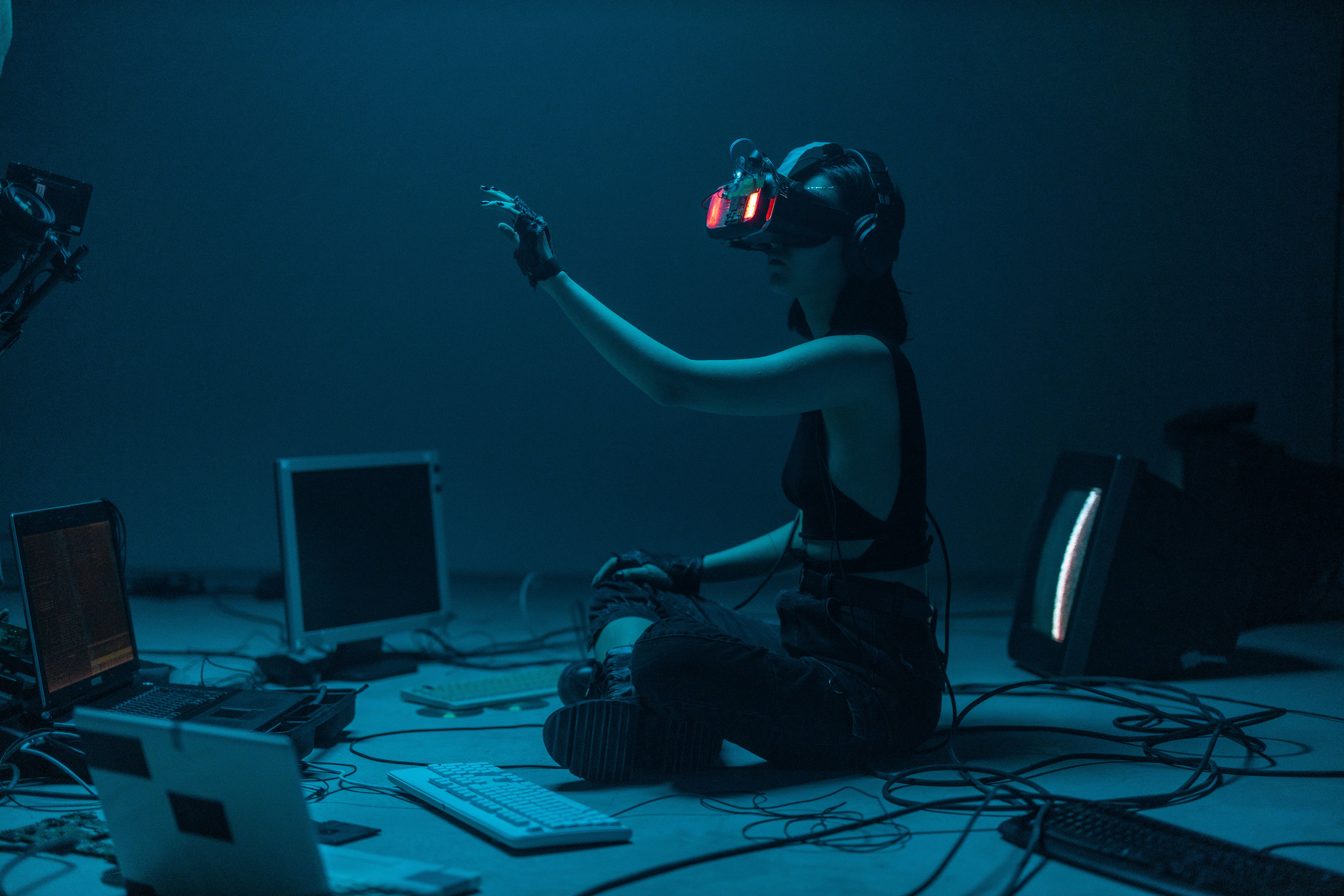
Forget Avatars, Meet Your Virtual Doppelganger
Remember the Metaverse hype? Endless digital worlds, virtual shopping sprees, and… well, a lot of potential. But while we were busy crafting digital personas, something far more practical and impactful has been quietly building momentum: the digital twin. Think of it not as a virtual escape, but a hyper-realistic, data-driven replica of something in the real world. This isn't about escaping reality; it's about understanding and optimizing it. And trust me, it's about to change everything.
What Exactly Is a Digital Twin?
Simply put, a digital twin is a virtual representation of a physical object, system, or even a process. It's built using data collected from sensors, historical records, and other sources. This data feeds into a sophisticated model, allowing us to monitor, analyze, and even predict the behavior of its real-world counterpart. Imagine having a perfect digital clone of your car, your factory, or even your own heart, constantly providing insights and warnings.
Beyond the Hype: Real-World Applications
The beauty of digital twins lies in their versatility. They're not just a futuristic concept; they're already transforming industries across the board. Here are a few examples:
- Manufacturing: Digital twins are revolutionizing manufacturing. Imagine a factory floor with thousands of sensors embedded in every machine. The digital twin can analyze real-time data on performance, identify potential bottlenecks, and predict when equipment needs maintenance. This leads to increased efficiency, reduced downtime, and significant cost savings. Companies like Siemens are already leveraging digital twins to design, simulate, and optimize entire production lines before a single physical machine is even built.
- Healthcare: Digital twins are opening up incredible possibilities in healthcare. Researchers are creating digital twins of human organs, allowing them to simulate the effects of different treatments and personalize care. For example, a digital twin of a heart can help doctors predict how a patient will respond to a specific medication or surgical procedure. This is particularly valuable in cardiology and oncology, where early detection and personalized treatment are crucial. Imagine a future where your doctor can run simulations on your digital twin to find the most effective treatment plan, tailored specifically to your needs.
- Smart Cities: Cities are becoming increasingly complex ecosystems, and digital twins are helping urban planners manage them more effectively. By creating virtual replicas of city infrastructure, from traffic flow to energy grids, they can simulate the impact of new developments, optimize resource allocation, and improve citizen services. Think about using a digital twin to model traffic patterns, allowing for optimized traffic light timing to reduce congestion, or to analyze the efficiency of a city's power grid and identify areas for improvement.
- Aerospace: The aerospace industry has long embraced digital twins. Aircraft manufacturers use them to monitor the health and performance of aircraft throughout their lifespan. Sensors on the plane feed data back to the digital twin, allowing for predictive maintenance and preventing costly in-flight failures. This not only enhances safety but also reduces operational costs.
The Data Deluge: How Digital Twins Work
The magic of digital twins lies in their ability to ingest and process vast amounts of data. This data comes from various sources, including:
- Sensors: These are the eyes and ears of the digital twin, constantly collecting data on the physical object's performance.
- Historical Data: Past performance records, maintenance logs, and other historical information provide valuable context.
- Simulation Models: Sophisticated algorithms and physics-based models simulate the object's behavior under different conditions.
- AI and Machine Learning: These technologies analyze the data, identify patterns, and make predictions.
This data is then fed into a virtual model that can be visualized, analyzed, and manipulated. The digital twin allows engineers, doctors, and city planners to gain unprecedented insights into the performance and behavior of the physical object.
The Benefits: Efficiency, Optimization, and a Better Future
The advantages of digital twins are numerous:
- Improved Efficiency: By analyzing real-time data, digital twins can identify inefficiencies and bottlenecks, leading to optimized processes and reduced waste.
- Predictive Maintenance: Digital twins can predict when equipment needs maintenance, preventing costly breakdowns and extending the lifespan of assets.
- Enhanced Safety: By simulating different scenarios, digital twins can help identify potential safety hazards and improve risk management.
- Data-Driven Decision Making: Digital twins provide data-driven insights that enable better decision-making across various industries.
- Personalized Experiences: In healthcare and other sectors, digital twins can be used to personalize products and services, leading to a more tailored experience.
Challenges and Considerations
While the potential of digital twins is enormous, there are also challenges to overcome:
- Data Security and Privacy: Protecting the vast amounts of data collected by digital twins is crucial. Robust security measures are needed to prevent data breaches and ensure privacy.
- Integration: Integrating digital twins with existing systems can be complex and require significant investment.
- Data Quality: The accuracy of a digital twin depends on the quality of the data it receives. Ensuring data accuracy is essential.
- Cost: Implementing digital twin technology can be expensive, requiring significant investment in hardware, software, and expertise.
The Bottom Line: Ready for a Real-World Upgrade?
The future is already here, and it's powered by digital twins. They're not just a technological fad; they're a fundamental shift in how we understand, manage, and optimize the world around us. From revolutionizing manufacturing and healthcare to transforming our cities, digital twins are poised to make a significant impact on our lives.
So, what can you do? Keep an eye on these trends. Learn more about how digital twins are being used in your industry. Start thinking about how this technology could be applied to your own challenges. The real world is about to get a whole lot smarter, and you might just want to be a part of it.
This post was published as part of my automated content series.