Secret Owl Glow: New Research Reveals Fluorescent Feathers

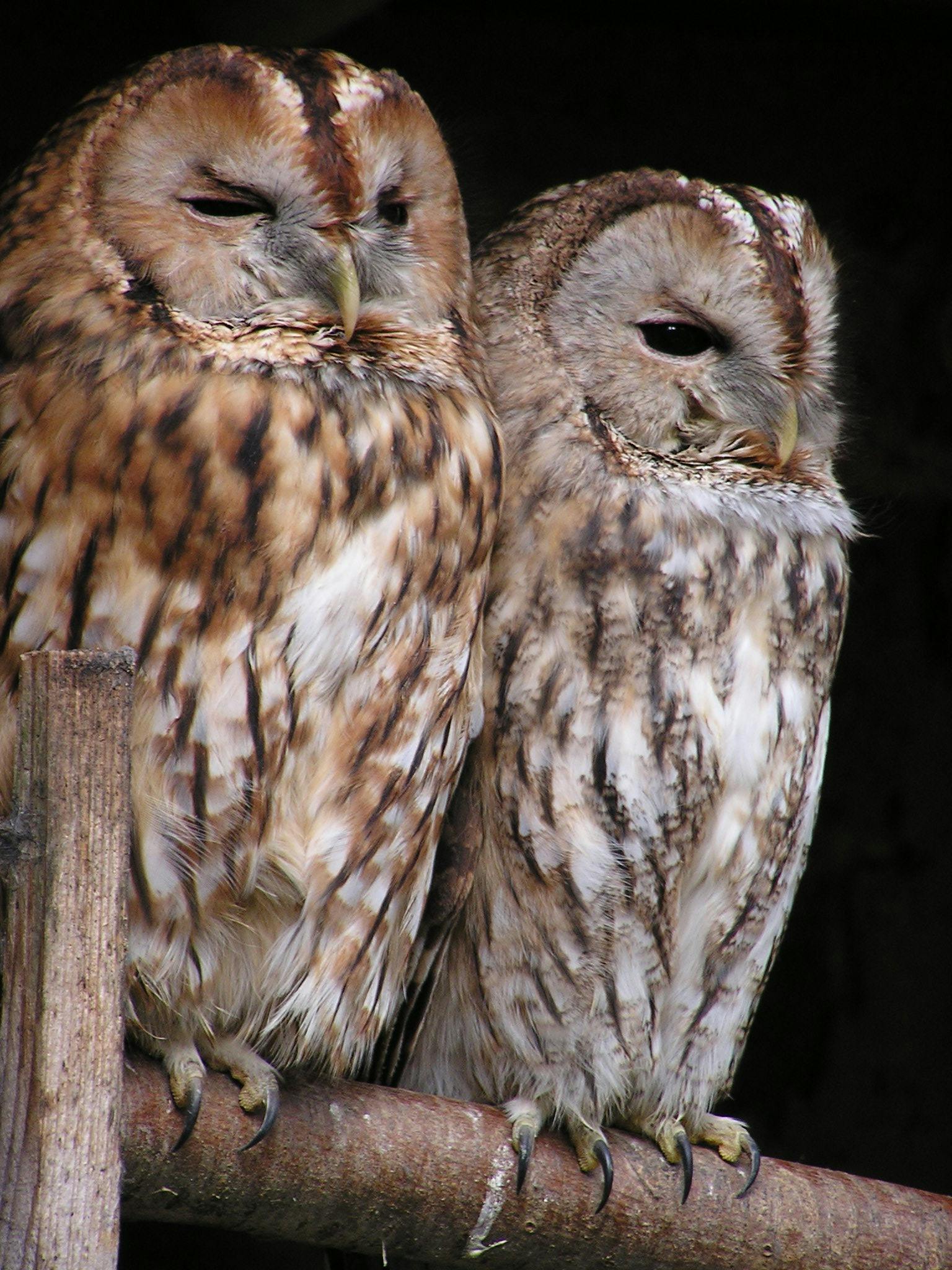
The Night Watch Just Got a Whole Lot Brighter (Under UV Light!)
Imagine you're deep in a moonlit forest, the only sounds the rustling of leaves and the distant hoot of an owl. You might think you're seeing everything the forest has to offer, but what if I told you there's a whole secret world of color hidden right in front of your eyes? Well, that's exactly what researchers have discovered about the long-eared owl. They've found that these majestic birds, masters of camouflage, possess fluorescent feathers that shimmer with unseen colors – at least, unseen to the naked eye.
This groundbreaking research isn't just a cool fact; it opens up fascinating questions about owl behavior, communication, and even the evolution of feathers themselves. Let's dive into this exciting discovery and explore what it means for our understanding of these nocturnal predators.
The Case Study: Unveiling the Owl's Hidden Palette
The study, which involved scientists from various institutions, focused on the long-eared owl (Asio otus). These owls are known for their excellent camouflage, blending seamlessly into their woodland environments. However, the researchers suspected there might be more to their plumage than met the eye, particularly when viewed under ultraviolet (UV) light.
The Methodology: Peering into the Unseen
The research team employed a clever combination of techniques. They collected feathers from both live and museum specimens. These feathers were then subjected to a battery of tests, including:
- UV Light Exposure: The feathers were illuminated with UV light to observe any fluorescent reactions.
- Spectroscopic Analysis: This technique helped identify the specific pigments responsible for the fluorescence.
- Microscopic Examination: Detailed microscopic analysis revealed the structure of the feathers and the location of the fluorescent pigments.
The Discovery: A Shimmering Secret
The results were striking. Under UV light, the feathers of the long-eared owls displayed a vibrant fluorescence. The specific colors varied, but the researchers observed hues of yellow, green, and even blue. This fluorescence wasn't uniform across the entire feather; rather, it appeared in specific areas and patterns. The scientists identified several types of fluorescent pigments, including porphyrins and flavins, known for their ability to absorb and re-emit light at different wavelengths.
This wasn't just a random occurrence. The patterns of fluorescence appeared to be species-specific, suggesting a potential role in communication or mate recognition. Imagine a male owl displaying his glowing plumage to a potential mate under the cover of darkness! It's a whole new layer of visual signaling that we've been missing.
Why Does This Matter? Implications and Hypotheses
This discovery raises several intriguing questions and opens up exciting avenues for future research.
1. Communication in the Dark
The most immediate implication is the potential role of fluorescence in owl communication. Owls are primarily nocturnal creatures, and their vision is adapted to low-light conditions. Fluorescence could be a powerful tool for visual communication in the darkness, allowing owls to recognize each other, signal their readiness to mate, or even warn off rivals.
Anecdote: Consider a scenario where a male owl, perched on a branch, subtly flashes his fluorescent feathers to attract a female. The female, equipped with UV vision (which many birds possess), might be able to see this display from a considerable distance, giving the male a significant advantage in attracting a mate. This is similar to how some butterflies use ultraviolet patterns on their wings to attract mates.
2. Camouflage and Countershading
While fluorescence adds a new dimension to their appearance, it doesn't necessarily contradict their camouflage. The UV light is invisible to most animals, and the visible light emission from the feathers may be subtle enough that it doesn't give away their position. It's also possible that the fluorescence plays a role in countershading, helping the owl blend in with its environment by breaking up its silhouette.
Case Study: Certain deep-sea fish utilize bioluminescence for camouflage, counter-illuminating their undersides to blend with the faint light filtering from above. While not the same mechanism, this demonstrates how organisms can use light to enhance camouflage.
3. Prey Detection
It's also conceivable that the fluorescence could play a role in prey detection. Some small mammals, a staple in the owl's diet, might possess fur that fluoresces under UV light. If owls have UV vision, they could potentially use this to locate prey more effectively, even in the dimmest conditions.
Example: The common shrew has been shown to have fur that fluoresces under UV light, potentially making it easier for predators with UV vision to spot them.
4. Understanding Feather Evolution
The discovery of fluorescent pigments in owl feathers also sheds light on the evolution of feathers themselves. It suggests that feathers may have evolved not only for flight and insulation but also for communication and visual display. The presence of fluorescent pigments adds another layer of complexity to this evolutionary story.
Actionable Takeaways and Future Directions
This research is a reminder of how much we still have to learn about the natural world. Here are a few actionable takeaways:
- Continue to Observe: Pay attention to the details. Even seemingly well-studied animals hold secrets.
- Embrace Interdisciplinary Research: This study highlights the power of combining techniques from different scientific fields.
- Support Conservation: Protecting owl habitats is crucial to studying and understanding these fascinating creatures.
Future research should focus on:
- Determining the extent of UV vision in owls: Are they truly equipped to see their own fluorescent displays?
- Investigating the role of fluorescence in mate selection and social interactions: Does it affect their mating success?
- Examining the fluorescent properties of other owl species: Are these findings widespread?
The discovery of fluorescent feathers in long-eared owls is a testament to the wonders that await us in the natural world. By continuing to explore and investigate, we can unlock even more of nature's secrets and gain a deeper appreciation for the beauty and complexity of life on Earth.
This post was published as part of my automated content series.