AI Mimicking Humans: A Guide to Navigating the Coming Confusion

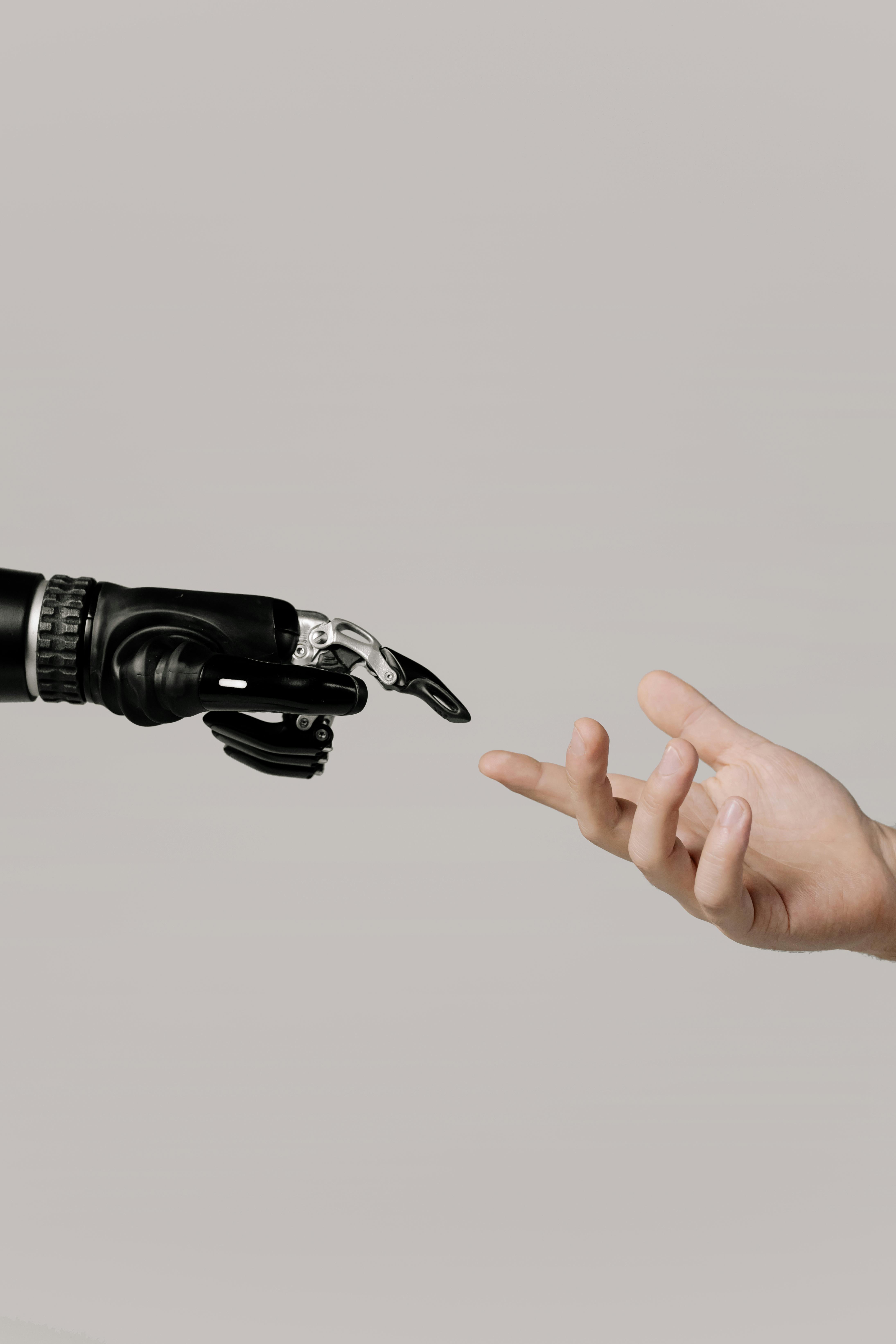
Are You Ready for the AI Doppelgangers?
Imagine chatting with a friendly customer service rep online. Helpful, knowledgeable, maybe even a little witty. Now, imagine that rep is a sophisticated AI, indistinguishable from a human. Scary, right? Well, it's happening. The lines between human and artificial intelligence are blurring, and fast. This article will walk you through why AI is becoming eerily human-like, and how to navigate this new reality.
The Mimicry Game: How AI Is Becoming Human
The core of the issue is this: AI is getting really, really good at mimicking us. This isn't just about clever chatbots anymore; it's about AI understanding and replicating the nuances of human communication, behavior, and even emotion. Think of it like a sophisticated impersonator, but instead of a person, it's lines of code. Here’s a breakdown of how it's happening:
- Natural Language Processing (NLP) Power: AI algorithms are now masters of understanding and generating human language. They can grasp context, interpret slang, and even write in different styles. Think about the rise of sophisticated language models like GPT-4. These systems can write poems, code, and even mimic the writing style of famous authors.
- Learning from the Data Deluge: AI systems are trained on massive datasets of text, images, and videos – essentially, everything we humans create and share online. This data acts as a vast library, allowing AI to learn patterns, trends, and ultimately, how we behave. The more data, the better the mimicry.
- Emotional Intelligence (Sort Of): While AI doesn't feel emotions, it can analyze them. By studying our facial expressions, voice tones, and written language, AI can often identify emotions and respond in ways that seem empathetic. This is largely done by pattern recognition, not true understanding, but the results are impressive (and sometimes unsettling).
- Personalization & Adaptation: Modern AI is designed to personalize interactions. It learns your preferences, anticipates your needs, and adapts its responses accordingly. This creates a highly convincing illusion of genuine connection. Think of how Netflix recommends shows, or how your email provider anticipates your next word.
The Problem: When Machines Become Human-Like
So, what’s the big deal? Why is it a problem that AI is becoming more human-like? The answer is multifaceted, and it boils down to trust, security, and the very nature of human interaction.
- The Trust Factor: Imagine a scenario where you're interacting with an AI disguised as a doctor, financial advisor, or legal professional. You might be receiving potentially harmful, or at least misinformed, advice without knowing the source. The erosion of trust in institutions and individuals is a significant concern.
- Security Breaches: If AI can convincingly impersonate humans, it can also be used for malicious purposes. Think of phishing scams that are far more sophisticated and personalized, or AI-generated deepfakes that spread misinformation and damage reputations. This is an arms race; as AI gets better, so do the potential threats.
- The Authenticity Crisis: As AI becomes more human-like, it becomes harder to discern what is real and what is not. This can lead to a sense of unease, skepticism, and a questioning of the authenticity of human connection. Are we truly connecting with each other, or are we just interacting with sophisticated algorithms?
- Job Displacement: As AI takes over roles that involve communication and decision-making, there is a risk of widespread job displacement. Customer service, content creation, and even certain aspects of healthcare could be heavily impacted.
Real-World Examples of AI's Human-Like Capabilities
Let's look at some specific examples to illustrate the point:
- The Rise of AI-Powered Customer Service: Many companies are using AI chatbots to handle customer inquiries. These bots are often designed to sound friendly, offer personalized recommendations, and even crack jokes. While they can be helpful, it's often difficult for customers to know they're not talking to a human, leading to frustration when complex issues arise.
- Deepfakes and the Spread of Misinformation: AI can create incredibly realistic videos and audio recordings of people saying and doing things they never did. This technology has the potential to spread misinformation, manipulate public opinion, and damage reputations. Imagine a political candidate being caught on video saying something controversial that was entirely fabricated.
- AI in Creative Fields: AI is now capable of writing articles, composing music, and creating artwork. While this can be a valuable tool for creators, it also raises questions about originality, copyright, and the future of human artistry. Imagine an entire movie written and directed by AI.
- AI-Driven Social Engineering Attacks: Cybercriminals are using AI to make their phishing attacks more convincing. They can analyze your social media profiles, craft personalized emails, and even impersonate your friends and family to trick you into giving up sensitive information.
How to Navigate the Coming AI-Human Blurring
So, what can you do to prepare for this increasingly AI-driven world? Here are some actionable steps:
- Develop Critical Thinking Skills: Question everything. Be skeptical of information you encounter online, especially if it seems too good to be true or evokes a strong emotional response. Learn to identify red flags, such as inconsistencies in language or unusual requests for personal information.
- Verify Information from Multiple Sources: Don't rely on a single source of information. Cross-reference information from multiple reputable sources to ensure its accuracy.
- Be Aware of Deepfakes: Learn to spot the telltale signs of deepfakes, such as unnatural facial movements, inconsistencies in audio, and poor image quality. Use fact-checking websites to verify the authenticity of videos and audio recordings.
- Protect Your Personal Information: Be careful about what you share online. Limit the amount of personal information you make public on social media and other platforms. Use strong passwords and enable two-factor authentication.
- Understand the Limitations of AI: Remember that AI is a tool, not a mind reader. It can make mistakes, and it doesn't have the same understanding of the world as humans do. Don't trust AI blindly, especially when it comes to important decisions.
- Embrace Human Connection: In a world increasingly dominated by artificial intelligence, the value of genuine human connection will only increase. Cultivate your relationships with family, friends, and colleagues. Engage in meaningful conversations and activities that promote empathy and understanding.
The Future is Now: A Call to Action
The age of AI is upon us, and the line between human and machine is blurring. By understanding the capabilities of AI, recognizing the potential risks, and developing critical thinking skills, we can navigate this new reality with greater confidence and resilience. The future is not about fearing AI; it's about learning how to live with it, and how to ensure that it serves humanity, rather than the other way around.
This post was published as part of my automated content series.