Cartwheel Robotics: Building Humanoid Robots We'll Actually Love

The Robot Revolution: Are We Building Friends or Just Tools?
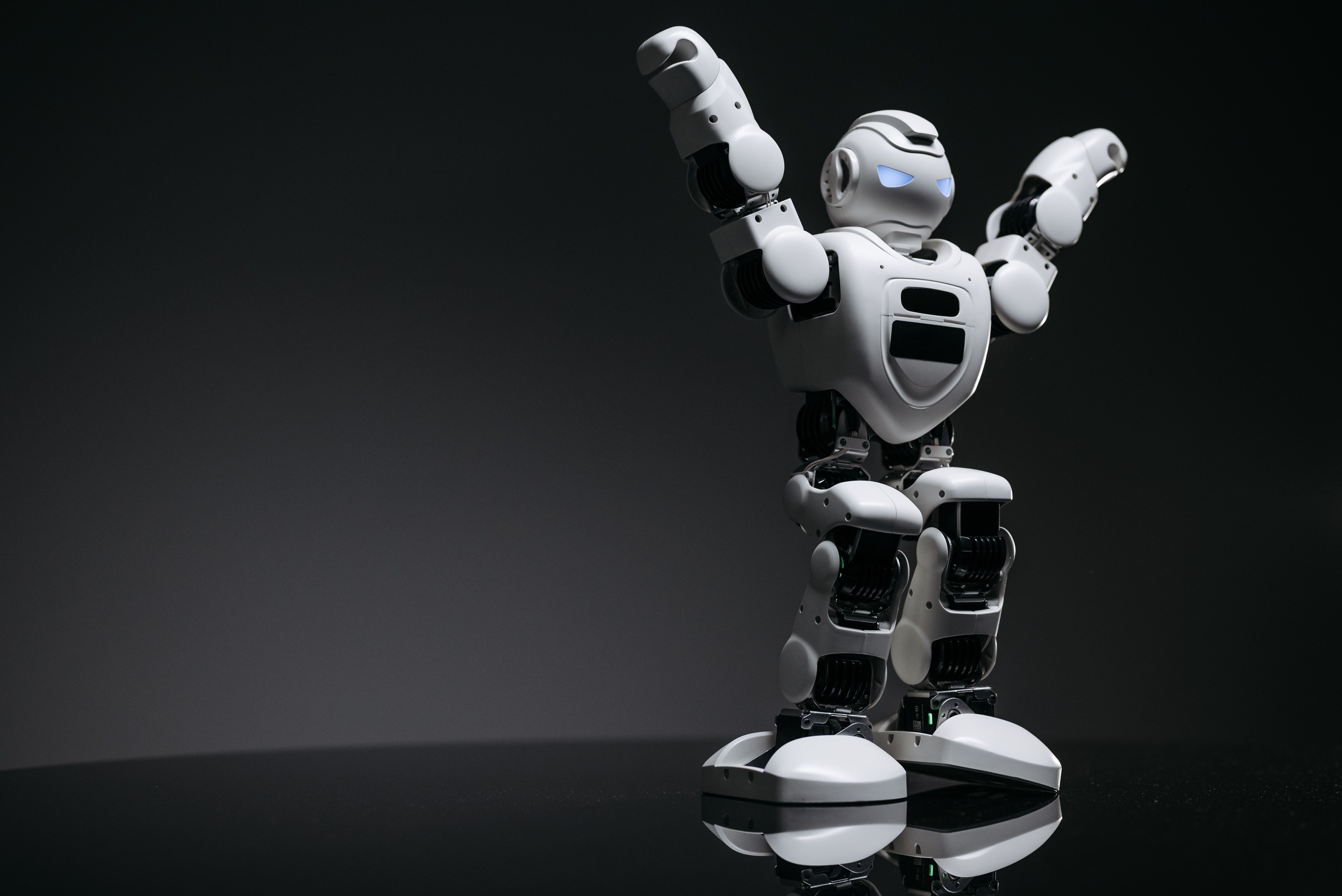
We're living in the age of robots. They're in our factories, our warehouses, and even our homes (think robot vacuums). But let's be honest, most of these metal marvels are designed to do a job, not to be our companions. They're efficient, tireless, and… well, a little bit cold. But what if robots could be more? What if they could be… lovable? That's the question driving Cartwheel Robotics, a company with a surprisingly ambitious goal: to build humanoid robots that we'll actually want to befriend.
The Current Landscape: Humanoids as Hardware
The humanoid robotics industry is currently focused on practical applications. The prevailing thought is that the easiest path to revenue is through industrial and commercial applications. This makes sense. Robots that can perform repetitive tasks in controlled environments have a clear value proposition. They increase efficiency, reduce costs, and don't need coffee breaks. But these robots often prioritize functionality over… well, everything else. They're built to work, not to win hearts.
Enter Cartwheel Robotics: A Different Approach
Cartwheel Robotics, led by founder Scott LaValley, is taking a different tack. They're not just building robots; they're building characters. Their vision is for small, friendly humanoids that can bring joy, warmth, and a touch of magic to our everyday lives. Think less Terminator, more… well, think Baby Groot.
Scott LaValley's Secret Weapon: A History of Heart
LaValley's background is key to understanding his vision. He spent nearly a decade at Boston Dynamics, working on the Atlas robots. Impressive technology, no doubt, but perhaps not the most huggable. Then came Disney, where he led the team that developed the Baby Groot robot. This shift, from terrifying tech to a character that sparked joy, was a pivotal moment for LaValley. He realized the potential of emotional connection in robotics.
Why Humanoid? The Challenges and the Promise
Choosing to build a humanoid robot is a bold move. It means tackling complex challenges in motion planning, balance, and safety. But LaValley believes that the humanoid form is crucial for creating a sense of connection. It's about building robots that we can relate to on a fundamental level.
Meet Yogi and Speedy: Cartwheel's Prototypes
Cartwheel has two primary robot prototypes: Yogi and Speedy. Yogi, with its "toddler proportions" (rounded lines, big head), is designed for approachability and friendliness. Speedy, a more streamlined platform, is intended for commercial applications, such as museums and science centers. The goal is to create robots that are not just functional but also endearing.
The AI Factor: Keeping the Magic Alive
A key element of Cartwheel's strategy is AI. They're experimenting with AI-driven whole-body motion generation to create unique and engaging behaviors. This is crucial for maintaining novelty and preventing the "been there, done that" feeling that can plague early social robots. Imagine a robot whose every action feels fresh and unexpected.
The Home Robot Dream: Practicality and Lovability
Cartwheel's ultimate goal is to bring these robots into our homes. This presents a significant challenge: balancing affordability and practicality with the emotional connection that makes a robot desirable. A home robot needs to be more than just a novelty; it needs to justify its place (and its cost) in our lives.
The Service Model: A Potential Solution?
LaValley acknowledges the challenge and is exploring service models, where users essentially rent the robot's services. This could make the cost more manageable and allow Cartwheel to provide ongoing support and updates. It's a model that's already gaining traction in the broader robotics industry.
The Long Game: General Purpose and Beyond
Cartwheel isn't aiming for general-purpose robots on day one. Their strategy is to start with specialized applications and gradually expand the capabilities of their robots over time. The vision is clear: create robots that can eventually assist with a variety of tasks, becoming true companions in our lives. This is a long-term play. It’s a journey with a North Star: robots that are not just tools, but friends.
Actionable Takeaways: What Does This Mean for Us?
- Embrace the Human Connection: Cartwheel's approach reminds us that technology doesn't have to be cold and impersonal. There's a growing desire for technology that understands and responds to our emotions.
- Look Beyond the Functionality: When considering robots, or any technology, think about the user experience. How does it make you feel? Does it add joy, or just more tasks?
- Consider the Service Model: The future of robotics may not be about owning a robot outright. Service models could make advanced technology more accessible and affordable.
- Be Patient: Building truly companionable robots is a long-term project. It will take time, innovation, and a willingness to experiment.
Cartwheel Robotics is betting on a future where robots are not just tools, but friends. It's a bold vision, and the path ahead is undoubtedly challenging. But if they succeed, they could revolutionize not just the robotics industry, but also the way we live, interact, and connect with the technology that surrounds us.
This post was published as part of my automated content series.