Decoding Dog Dreams: Sleep Secrets & Canine Slumber

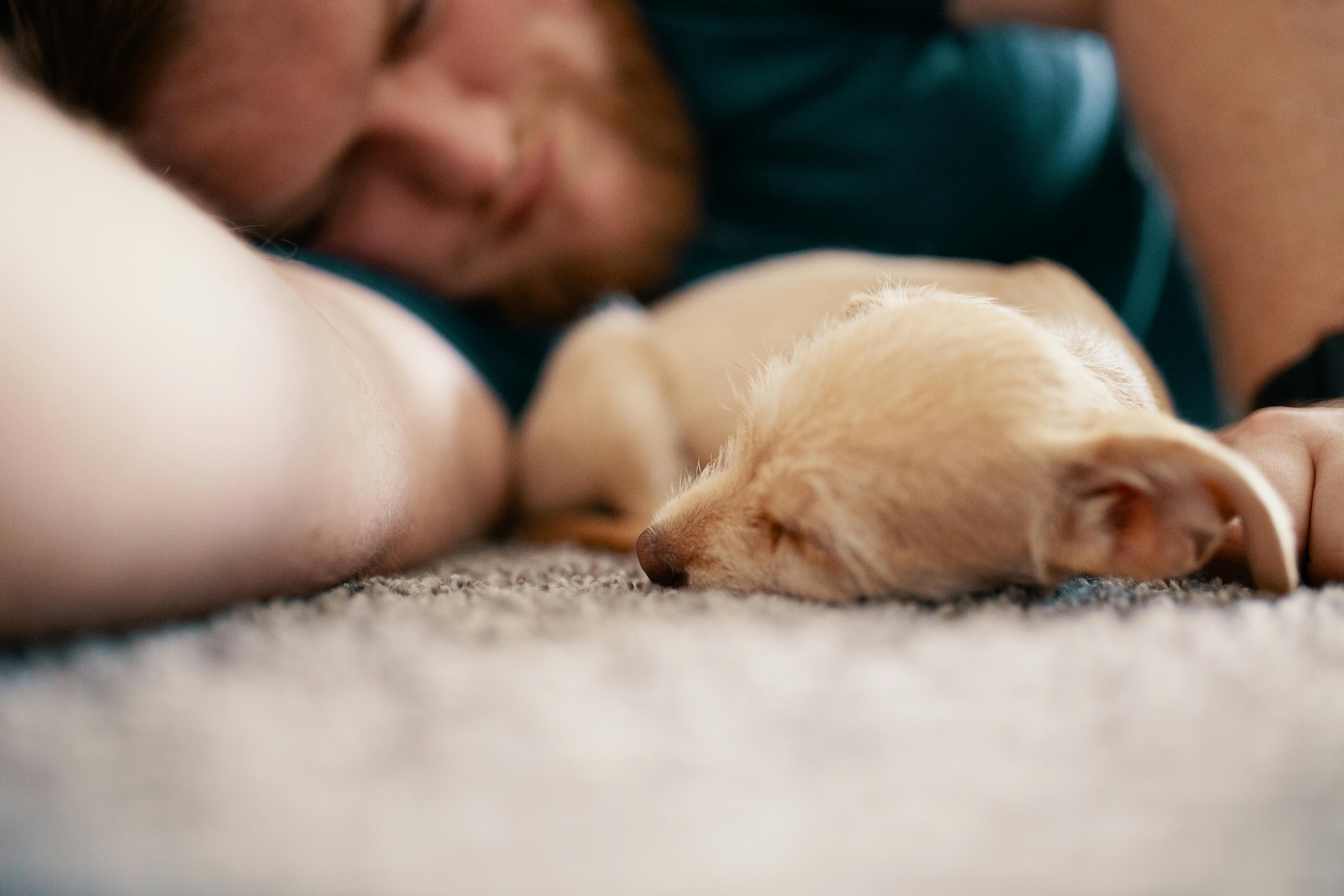
Ever Heard Fido Snore? Unlocking the Mysteries of Doggy Dreams
Picture this: you're curled up in bed, drifting off to sleep. Suddenly, you hear it – a tiny whimper, a twitching paw, and maybe even a full-blown bark emanating from your furry best friend. You peek over, and there they are, lost in the throes of a dream. But what are they dreaming about? Are they chasing squirrels? Reliving a particularly delicious meal? Or maybe they're just battling the vacuum cleaner monster. The world of canine dreams is a fascinating, often hilarious, and surprisingly complex one. Let's dive deep and unravel the secrets hidden within your dog's slumber.
The Science of Sleep: Understanding Canine Sleep Cycles
Just like humans, dogs experience distinct sleep cycles. Understanding these cycles is key to understanding their dreams. Generally, a dog's sleep is divided into two main phases: Non-Rapid Eye Movement (NREM) sleep and Rapid Eye Movement (REM) sleep. Each phase plays a vital role in their physical and mental well-being.
- NREM Sleep: This is the period of deep relaxation. During this phase, your dog’s body repairs itself, and they conserve energy. Their breathing slows down, their heart rate decreases, and they become less responsive to external stimuli. This is the 'rest and restore' phase.
- REM Sleep: This is where the magic happens – where the dreams reside! During REM sleep, the dog's eyes dart rapidly behind closed eyelids (hence the name “Rapid Eye Movement”). Their brain activity spikes, resembling that of a waking state. Their muscles become temporarily paralyzed to prevent them from acting out their dreams. This is the dreaming phase, the time when they chase rabbits and bark at invisible foes.
A typical dog will spend about 10% of their sleep time in REM sleep, which is actually a lower percentage than in human sleep. Smaller dogs tend to dream more frequently and in shorter bursts than larger dogs, perhaps because of their faster metabolisms and higher brain activity levels. Puppies and senior dogs often spend more time in REM sleep than adult dogs, suggesting that dreaming plays a crucial role in their development and cognitive function.
What's Happening in Their Brains? The Neuroscience of Dog Dreams
Scientists have used electroencephalograms (EEGs) – those clever devices that measure brain waves – to study canine sleep. These studies reveal that during REM sleep, dogs exhibit brain wave patterns similar to those observed in humans during dreaming. This suggests that dogs, like us, are experiencing vivid, complex mental scenarios during this time.
Research indicates that dogs’ dreams likely involve recalling experiences from their waking hours. They might be replaying a fun game of fetch, a delicious meal, or a walk in the park. Some experts believe that dogs also process their emotional experiences during sleep, helping them to regulate their feelings and cope with stress. This is why a dog that has had a stressful day might exhibit more restless sleep, complete with whimpers and twitching. It's their brain's way of working through it all.
Case Study: The Beagle and the Biscuit. Imagine a Beagle named Winston. Winston had a rough day at the vet, getting poked and prodded. That night, his owners noticed him whimpering and twitching in his sleep. Monitoring his sleep patterns, they observed increased REM activity, suggesting he was processing the events of the day. It's likely he was reliving the smells, sounds, and perhaps even the anxieties of the vet visit.
Can You Influence Your Dog's Dreams? Creating a Dream-Friendly Environment
While you can't directly control what your dog dreams about, you can certainly create an environment that promotes healthy sleep and potentially positive dream experiences. Here's how:
- Provide a Comfortable Sleep Space: A cozy bed, in a quiet, safe space, is essential. Think of it as their personal sanctuary.
- Maintain a Consistent Routine: Regular feeding times, walks, and playtime help regulate their sleep-wake cycle. Consistency is key!
- Ensure Adequate Exercise and Mental Stimulation: A tired dog is a well-sleeping dog! Make sure they get plenty of physical and mental exercise during the day. This helps them burn off excess energy and promotes deeper, more restful sleep. Puzzle toys and training sessions are excellent for stimulating their minds.
- Manage Stress and Anxiety: If your dog is prone to anxiety, consider using calming aids like pheromone diffusers or consulting with your vet about potential remedies. A relaxed dog is more likely to have peaceful dreams.
- Avoid Disturbances: Keep loud noises and bright lights to a minimum, especially during their sleep time.
Common Dog Dream Behaviors and What They Might Mean
Observing your dog's behavior during sleep can offer clues about their dream content. Here are a few common behaviors and potential interpretations:
- Leg Twitching/Running: This is a classic sign of dreaming! They're likely chasing something, running through a field, or playing with a favorite toy.
- Whimpering/Barking: They might be reacting to a dream scenario, perhaps encountering a scary object or experiencing a moment of excitement.
- Rapid Eye Movement: This is a clear indicator of REM sleep and dreaming.
- Muscle Twitches: These can range from subtle twitches to more pronounced jerks. They are often a normal part of the dreaming process but excessive or violent twitching might warrant a check-up with a vet.
- Snoring: Many dogs snore! This is often related to their breed or sleeping position and isn't necessarily a sign of a problem unless it's accompanied by difficulty breathing.
Anecdote: The Retriever's Fetch Frenzy. My Golden Retriever, Gus, is a dedicated fetch enthusiast. During his REM sleep, he often twitches his legs, makes soft whimpering sounds, and occasionally lets out a muffled bark. It's almost as if he's reliving a particularly exciting game of fetch, complete with the thrill of the chase and the satisfaction of retrieving the ball.
When to Worry: Identifying Potential Sleep Issues
While dreaming is normal, certain sleep behaviors can indicate underlying health issues. If you notice any of the following, it's best to consult with your veterinarian:
- Excessive or Violent Twitching: This could be a sign of seizures or other neurological problems.
- Difficulty Breathing: Labored breathing or snoring that suddenly changes could indicate a respiratory issue.
- Lethargy or Excessive Sleepiness: This could be a sign of a thyroid issue or other medical problems.
- Changes in Appetite or Behavior: Any sudden changes in your dog's eating habits or overall demeanor should be investigated.
Conclusion: Unlocking the Secrets of Canine Slumber
Decoding your dog's dreams is a fascinating journey that offers a glimpse into their inner world. By understanding their sleep cycles, recognizing their dream behaviors, and creating a supportive environment, you can help your furry friend enjoy a more restful and enriching sleep experience. Remember, a well-rested dog is a happy dog! So, next time you see your dog twitching and whimpering in their sleep, take a moment to appreciate the mystery of their dreams and the unique bond you share. By understanding their sleep patterns, we can better support their overall health and happiness, ensuring they wake up ready to greet a new day with a wagging tail and a joyful heart.
This post was published as part of my automated content series.