Dog Dreams Decoded: A Deep Dive into Canine Sleep Cycles

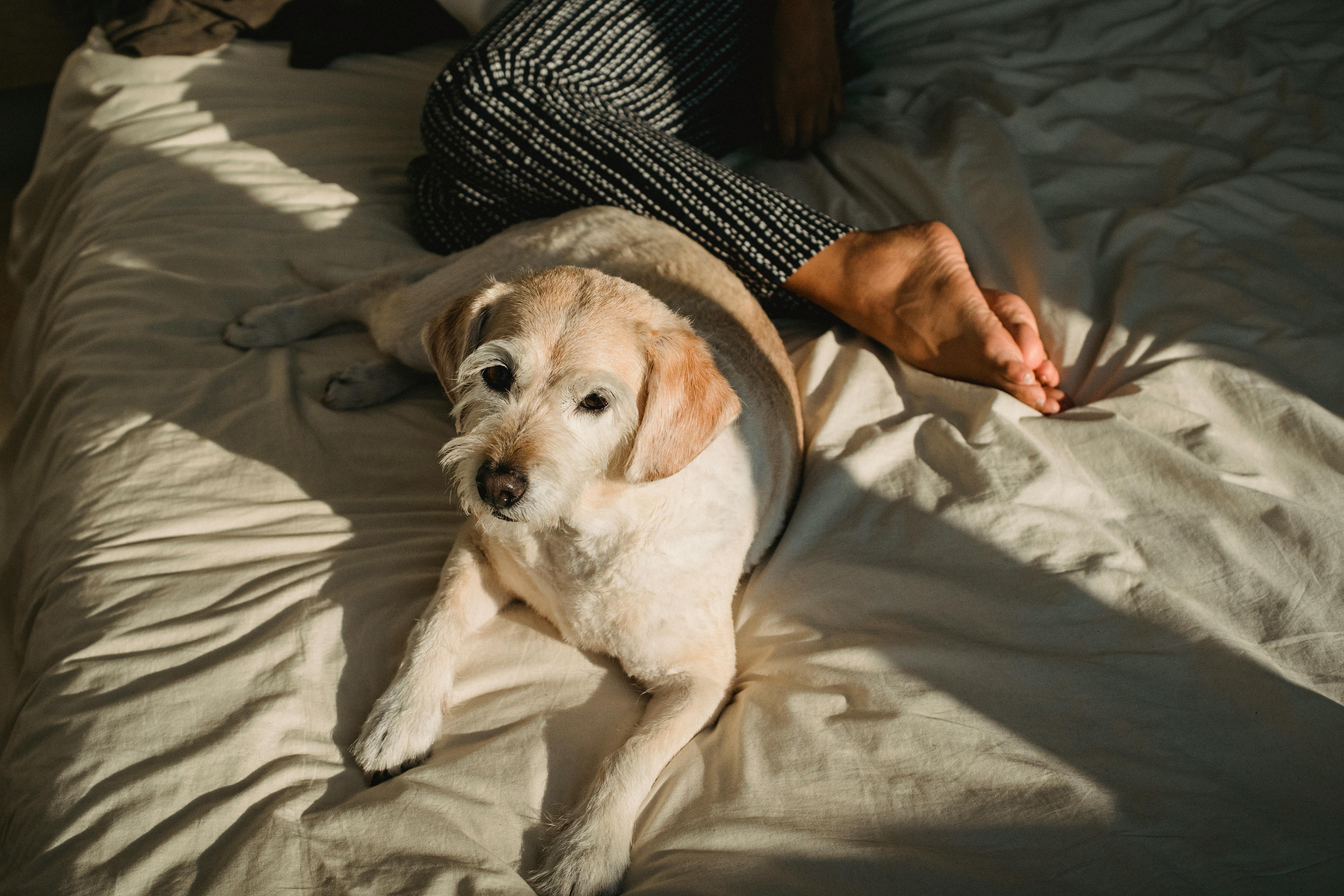
Ever Wonder What Fido's Dreaming About? Let's Find Out!
We've all been there. Watching our beloved pups twitch, whimper, and maybe even give a little 'woof' while they're fast asleep. It's a universal experience for dog owners, and it sparks a common question: what are they dreaming about? Are they chasing squirrels? Playing fetch? Or maybe reliving that epic belly rub from earlier in the day? This article delves into the fascinating science behind canine sleep, exploring their sleep cycles, brain activity, and how you can help your furry friend get the best possible rest.
Understanding the Canine Sleep Cycle: A Nightly Adventure
Just like humans, dogs experience different stages of sleep. These stages, cycling throughout the night, are crucial for their physical and mental well-being. Let's break down the key phases:
- Non-Rapid Eye Movement (NREM) Sleep: This is the 'drifting off' phase. It's the initial part of the cycle where your dog is transitioning from wakefulness to sleep. During this stage, their heart rate and breathing slow down, and their muscles relax. It's similar to the 'light sleep' phase we experience.
- Deep NREM Sleep: This is the restorative phase. Here, your dog is deeply asleep. Their breathing becomes regular, and their body repairs itself. This is the time when their body is most effective at recovering from the day's activities.
- Rapid Eye Movement (REM) Sleep: This is where the magic happens! This is the dreaming stage. Their eyes dart rapidly behind their eyelids (hence the name), their brain activity spikes, and they may twitch, bark, or paddle their paws. This is when they're most likely reliving their adventures.
Brain Waves and What They Tell Us
Scientists use electroencephalograms (EEGs) to measure brain wave activity during sleep. These measurements reveal fascinating insights into a dog's sleep stages. During NREM sleep, brain waves are slower and more synchronized. In REM sleep, the brain waves become faster and more erratic, similar to when they're awake. This shift in brain wave patterns is a key indicator of dreaming.
Consider the case of Max, a Golden Retriever owned by a veterinarian friend. Max was known for his incredibly vivid dreams. One night, during a particularly intense REM cycle, he started 'chasing' something in his sleep, complete with whimpers and yelps. My friend, monitoring Max's brain activity with his equipment, observed the telltale signs of REM sleep, with brain waves mirroring the excitement of chasing a ball. It's anecdotal, but it highlights how the brain is active during sleep.
How Long Do Dogs Sleep? And How Does It Vary?
The amount of sleep a dog needs varies depending on their age, breed, and activity level. Puppies, for instance, can sleep up to 20 hours a day, as their brains and bodies are developing rapidly. Older dogs also tend to sleep more than adult dogs. Generally speaking:
- Puppies: 18-20 hours
- Adult Dogs: 12-14 hours
- Senior Dogs: 14-16 hours
Larger breeds often require more sleep than smaller breeds. Active dogs, such as working breeds, also need more sleep to recover from their daily activities. A hyperactive dog might also need more rest to regulate their system.
Decoding Those Dream Behaviors: What's the Story?
The behaviors you see during your dog's sleep often give clues to their dream content. Here's a quick guide:
- Twitching and Jerking: Common during REM sleep, these movements are often related to what's happening in their dream.
- Whimpering, Barking, or Growling: They might be chasing a squirrel, defending their territory, or even interacting with you in their dream.
- Paddling their Paws: Often interpreted as running or swimming in their dreams.
- Snoring: Especially common in brachycephalic breeds (those with short snouts), snoring can be a sign of a comfortable, deep sleep, but also a sign of breathing problems.
Creating the Perfect Sleep Environment for Your Pup
Just like humans, dogs need a comfortable and safe environment to get good sleep. Here are some tips:
- Provide a Comfortable Bed: Choose a bed that's the right size and material for your dog. Consider their breed and preferences (e.g., a bolster bed for dogs who like to snuggle, or a cooling bed for hot sleepers).
- Establish a Routine: Consistent bedtimes and wake-up times help regulate their sleep cycle.
- Keep the Noise Down: A quiet environment promotes better sleep. Consider white noise or a fan to mask distracting sounds.
- Ensure Exercise: Regular exercise during the day helps them sleep better at night. Be sure to provide enough mental stimulation as well.
- Manage Stress: A stressful environment can disrupt sleep. Make sure your dog feels safe and secure.
- Consult Your Vet: If you notice any changes in your dog's sleep patterns, such as excessive sleepiness, difficulty sleeping, or unusual behaviors, consult your veterinarian. They can rule out any underlying medical conditions.
Case Study: The Anxious Beagle
Let's consider a Beagle named Bella. Bella was a rescue dog with some anxiety issues. Her owner noticed that Bella would often wake up panting and restless during the night. After a vet visit and behavioral assessment, it was determined that Bella's anxiety was impacting her sleep. Her owner started using calming aids like pheromone diffusers and established a consistent bedtime routine, including a relaxing walk before bed. Over time, Bella's sleep improved significantly. This case illustrates the important link between emotional well-being and sleep quality in dogs.
Actionable Takeaways: Helping Your Dog Dream Sweet Dreams
So, what can you do to ensure your dog gets the best sleep possible? Here's a quick recap:
- Understand the Sleep Cycle: Knowing about NREM and REM sleep helps you understand your dog's behaviors.
- Create a Comfortable Environment: Make sure their sleeping space is cozy, quiet, and safe.
- Establish a Routine: Consistent bedtimes and wake-up times are essential.
- Monitor their Sleep: Pay attention to any changes in their sleep patterns.
- Address Anxiety: Manage any stress or anxiety that might be affecting their sleep. Consult your vet if needed.
By understanding your dog's sleep cycles and providing a supportive environment, you can help them enjoy restful nights and happy, healthy days. Now, go ahead and watch your furry friend dream – you might just get a glimpse into their exciting world!
This post was published as part of my automated content series.