OpenAI's GPT-4.1 & ChatGPT Chaos: Which Model Reigns?

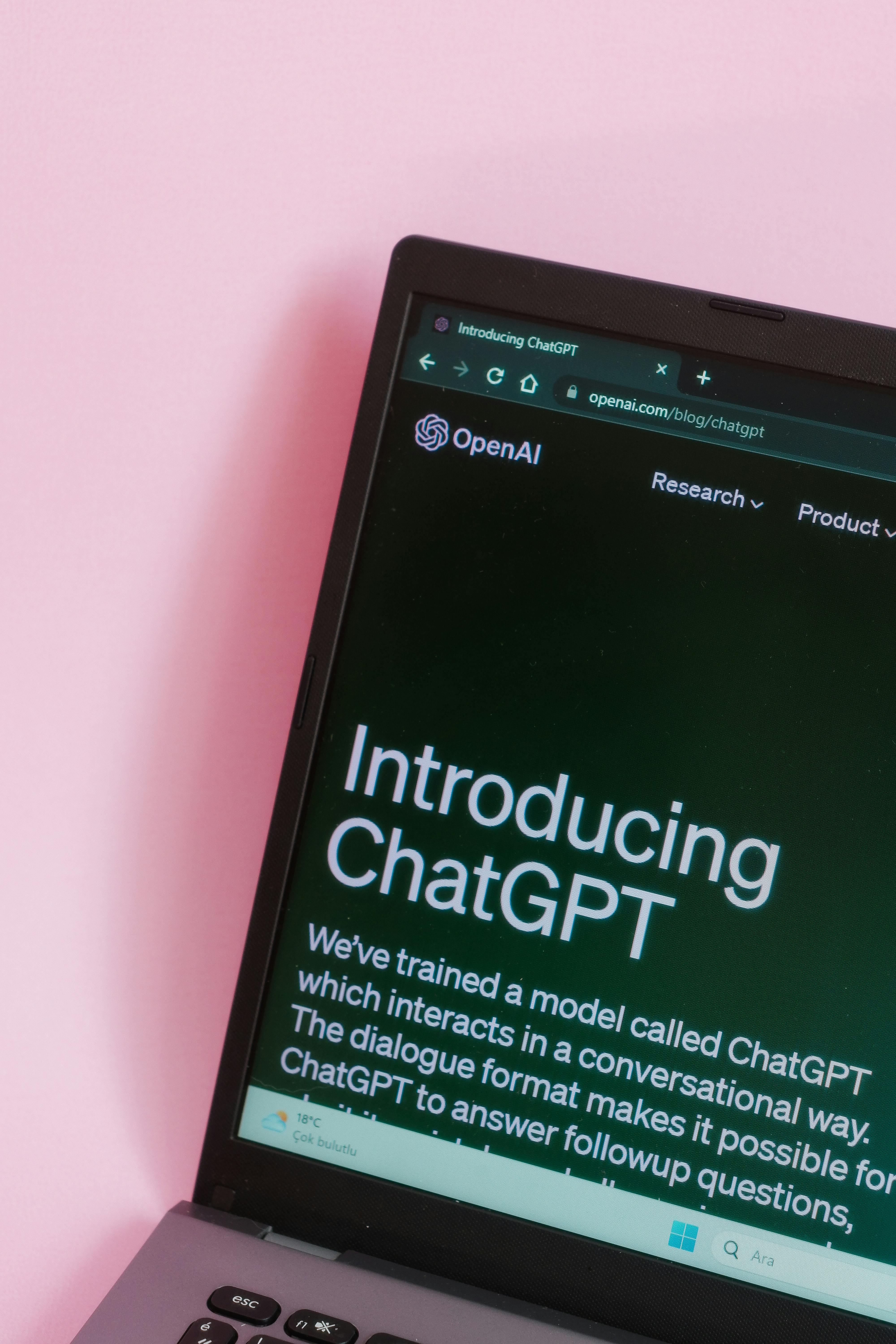
The AI Alphabet Soup: Navigating OpenAI's Ever-Expanding Universe
Remember the good old days of ChatGPT, when you just had… well, one ChatGPT? Now, it's like walking into a bakery and being faced with a dizzying array of artisanal breads, each with its own unique blend of flours and flavors. OpenAI, the company that brought AI to the masses, has just added yet another layer to its already complex model lineup with the introduction of GPT-4.1 (or whatever they end up calling it – the naming conventions are a bit… fluid). This move, while promising in terms of raw power, has left many users, especially paying subscribers, scratching their heads and wondering: “Which one is the best? And more importantly, which one should I be using?”
The Model Menagerie: A Quick Breakdown
Before we dive into the specifics, let's take a quick inventory of the players in this AI game. OpenAI currently offers a variety of models, each with its own strengths and weaknesses, and varying levels of access depending on your subscription tier. While the exact number and names may change, the general landscape includes:
- GPT-3.5: The workhorse. Fast, relatively inexpensive, and still capable of handling a wide range of tasks. Think of it as the reliable Honda Civic of the AI world.
- GPT-4: The current flagship model. More powerful, more creative, and generally better at complex tasks. This is the luxury sedan, offering a smoother and more refined experience.
- GPT-4 Turbo: A faster and cheaper version of GPT-4, with a larger context window (allowing it to process more information at once). The performance upgrade is substantial, akin to a sports car compared to the luxury sedan.
- GPT-4.1 (or whatever iteration is next): The new kid on the block. Details are still emerging, but expect improvements over GPT-4, potentially including better reasoning, more nuanced responses, and perhaps even further performance enhancements. Think of this as the next-generation sports car, boasting even more advanced features.
- Other Specialized Models: OpenAI also offers models fine-tuned for specific tasks, such as image generation (DALL-E 3) and speech-to-text (Whisper). These are the specialized tools in your AI toolbox.
The Confusion Factor: Why Users Are Puzzled
The proliferation of models, while offering more choice, has also created a degree of confusion. Paid subscribers, who are shelling out good money for access to the premium features, are understandably concerned about which model delivers the best value. The lack of clear, concise explanations from OpenAI about the differences between each model has only amplified this confusion. Here are some of the key pain points:
- Undefined Nomenclature: The naming conventions are, frankly, a mess. What does “Turbo” actually mean? Why isn’t GPT-4.1 simply called GPT-5? This lack of clarity makes it hard to understand the relative capabilities of each model.
- Varying Access Levels: Different models are available at different subscription tiers. This further complicates the decision-making process, as users must weigh the cost against the perceived benefits of each model.
- Performance Variability: Even within the same model, performance can vary depending on the task. What works well for writing a poem might not be ideal for analyzing complex financial data.
- Lack of Transparency: OpenAI hasn't always been transparent about the specific improvements and limitations of each model. This makes it difficult for users to make informed decisions about which model to use for their specific needs.
Case Study: The Content Creator's Dilemma
Let's consider a hypothetical content creator, Sarah, who uses ChatGPT to generate blog posts, social media updates, and marketing copy. Sarah is a paid subscriber, but she’s feeling overwhelmed by the model options. She needs to create engaging and optimized content, but she’s not sure which model will give her the best results. She might try GPT-3.5 for a quick draft, then upgrade to GPT-4 for a more polished version. But is GPT-4 Turbo a better option for speed and efficiency? And what about the new GPT-4.1? The constant experimentation and the lack of clear guidance from OpenAI leaves Sarah spending more time trying to figure out the best tool for the job than actually creating content. This is a common scenario, highlighting the challenges users are facing.
What to Expect from GPT-4.1 (and Beyond)
While specific details on GPT-4.1 are still emerging, we can make some educated guesses based on OpenAI's track record and the general trends in AI development:
- Improved Reasoning: Expect GPT-4.1 to be better at logical deduction, problem-solving, and understanding complex concepts. This will lead to more accurate and insightful responses.
- Enhanced Creativity: The model will likely be capable of generating more original and imaginative content, with a better grasp of nuance and style.
- Larger Context Window: This means GPT-4.1 will be able to process more information at once, allowing it to understand longer documents and generate more coherent and comprehensive responses.
- Fine-tuning for Specific Tasks: OpenAI will probably continue to fine-tune the model for specialized tasks, such as coding, data analysis, and creative writing.
- Increased Speed and Efficiency: OpenAI will likely focus on optimizing the model's performance, making it faster and more cost-effective.
Actionable Takeaways: Navigating the AI Maze
So, how can you navigate this increasingly complex AI landscape? Here are some actionable takeaways:
- Experiment: The best way to find the right model for you is to experiment. Try different models for different tasks and see which ones deliver the best results.
- Read the Documentation (When Available): Keep an eye on OpenAI's official documentation for updates on model capabilities and limitations.
- Follow the Tech News: Stay informed about the latest developments in AI by following reputable tech news sources and industry blogs.
- Focus on the Task, Not the Model: Don't get bogged down in the technical details. Instead, focus on the specific task you need to accomplish and choose the model that seems best suited to handle it.
- Provide Feedback: Let OpenAI know what you think! User feedback is crucial for guiding the development of these models.
- Consider the Cost: Carefully evaluate the cost of each model and choose the one that provides the best value for your needs. Don't overspend on features you don't need.
The Future of AI is Complex, But Exciting
The proliferation of AI models is a sign of rapid innovation. While the current confusion is frustrating, it's also a testament to the incredible progress being made in the field. As OpenAI continues to refine its models and provide clearer guidance, the user experience will undoubtedly improve. In the meantime, embrace the experimentation, stay informed, and remember that the most important thing is to find the AI tools that empower you to achieve your goals. The future is here, and it's powered by a lot of models. It's up to us to figure out how to best use them.
This post was published as part of my automated content series.