Climate Goals: How Scientists Track Our Progress (and Your Role!)

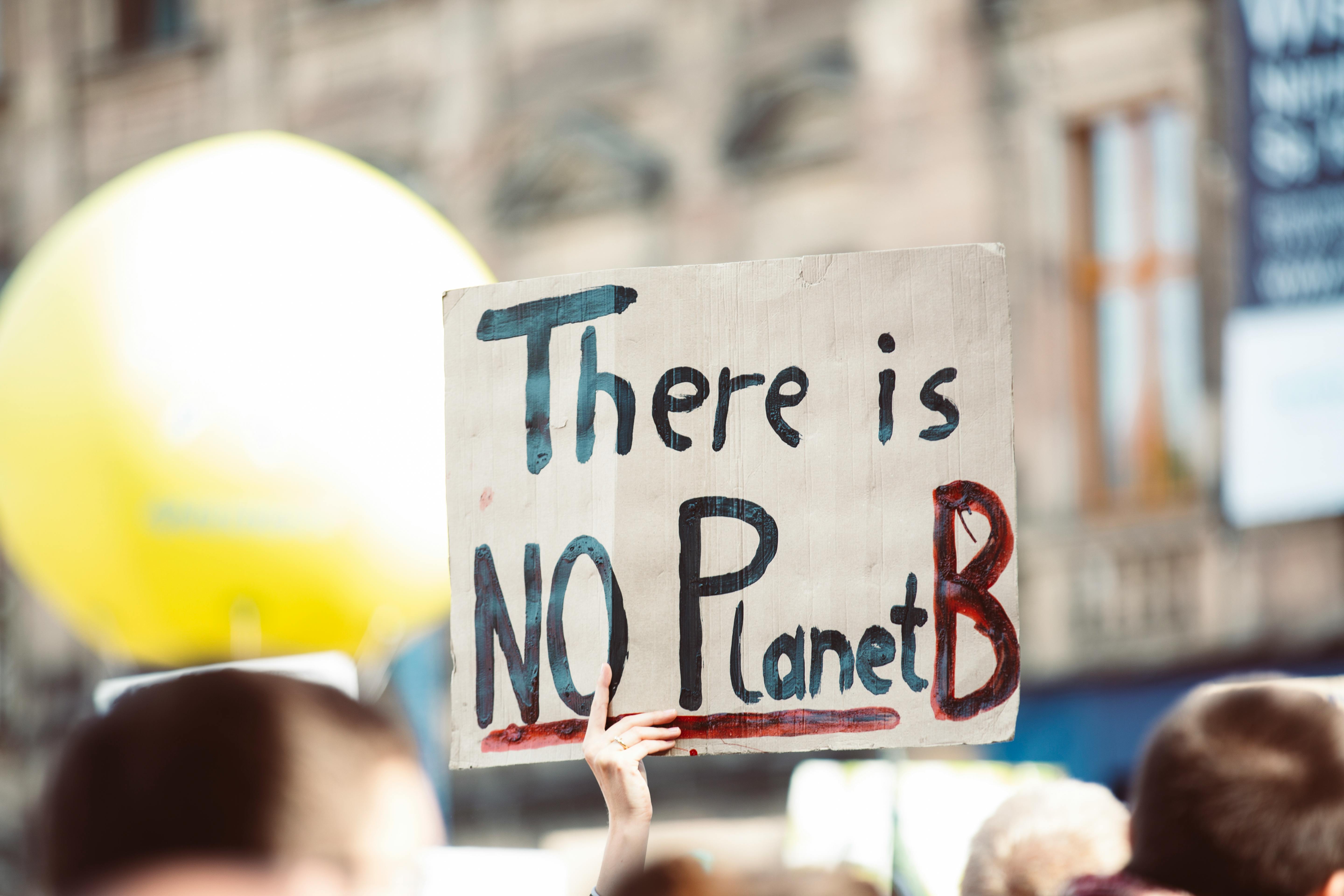
Are We Still on Course? Scientists Just Gave Us a Better Compass
Remember that feeling? The one where you're driving a long distance, and you're constantly checking the GPS, wondering if you're on the right track? Well, we're all on a long journey, and it's the journey to combat climate change. And for a long time, we haven't had the clearest GPS signal. Thankfully, climate scientists have just given us an upgrade! They've developed a groundbreaking method to more accurately predict how quickly global warming will happen. This means we now have a much better understanding of whether we're on course to meet the Paris Agreement goals.
The Paris Agreement: Our Global Roadmap
Before we dive into the new technology, let's quickly recap the Paris Agreement. Signed in 2015, it's the global plan to limit global warming to well below 2 degrees Celsius above pre-industrial levels, and preferably to 1.5 degrees Celsius. It's our shared roadmap, and achieving these goals is absolutely critical to avoiding the most devastating impacts of climate change. Think of it as setting the speed limit for our planet's temperature rise.
The Problem: Predicting the Future with Uncertainty
For years, climate scientists have been using complex models to predict the future. These models are incredibly sophisticated, but they've always had a degree of uncertainty. Imagine trying to predict the weather a year from now – it's tough! The same goes for climate. Factors like natural climate variability (think volcanic eruptions or changes in ocean currents) and the exact amount of greenhouse gases we'll emit make it difficult to pin down exactly when we'll cross those critical temperature thresholds.
The Breakthrough: A Smarter Way to Predict the Future
So, what's the new method? Researchers have developed a way to improve the accuracy of these predictions, essentially giving us a clearer picture of the road ahead. They've done this by:
- Refining Climate Models: Scientists are constantly working to improve the climate models. This new research helps to validate and refine these models, making them more accurate at simulating complex climate processes.
- Accounting for Natural Variability: The new method helps to better separate the impact of human-caused warming from natural climate fluctuations. This is like filtering out the "noise" to get a clearer signal.
- Improved Data Analysis: By analyzing historical climate data in new ways, researchers can extract more meaningful information and reduce uncertainty. This gives us a more reliable baseline for future predictions.
The key takeaway? Scientists can now estimate with increased precision when the 1.5°C warming threshold will be exceeded. The alarming news is that the latest projections suggest this could happen as early as 2028. This doesn't mean we've failed, but it does mean we need to accelerate our efforts.
Why This Matters: The Impact of Precision
Why is this improvement so important? Accurate predictions are crucial for several reasons:
- Informing Policy: Governments and policymakers rely on climate projections to make informed decisions about climate action. Better predictions lead to better policies.
- Guiding Investment: Businesses and investors need to understand the risks and opportunities associated with climate change. Accurate projections help them make sound decisions.
- Raising Awareness: The more clearly we understand the problem, the more likely we are to take action. Clear, concise information is key to engaging individuals and communities.
Let's illustrate with an example. Imagine a city planning for rising sea levels. With more accurate projections, they can better estimate how high sea levels will rise, how quickly, and when the city will need to implement protective measures, such as building sea walls or relocating residents. This is just one example of how better information translates into better preparedness.
Case Study: The Netherlands and Flood Protection
The Netherlands is a prime example of a country that understands the importance of climate preparedness. They've been battling rising sea levels and flooding for centuries. They use sophisticated climate models and projections to plan and build elaborate flood defense systems, including dikes, dams, and innovative water management techniques. Their efforts are a direct result of understanding the risks they face and planning accordingly. The improved projections from these scientists will help countries like the Netherlands further refine their strategies.
What Can You Do? Your Role in the Climate Fight
So, what can you do? While scientists are working on the big picture, we all have a role to play. Here are some actionable steps you can take:
- Reduce Your Carbon Footprint: This includes things like using public transportation, cycling, or walking instead of driving, reducing energy consumption at home, and making conscious choices about your consumption habits.
- Support Renewable Energy: Advocate for policies that promote renewable energy sources, and consider switching to a renewable energy provider if available in your area.
- Educate Yourself and Others: Stay informed about climate change and its impacts, and share this knowledge with your friends, family, and community.
- Advocate for Change: Contact your elected officials and urge them to support climate action policies.
- Make Sustainable Choices: Support businesses committed to sustainability, and make informed purchasing decisions. Consider the environmental impact of your purchases.
The Road Ahead: We Can Still Succeed
The latest research provides a clearer picture of the challenges we face, but it also empowers us to act. The ability to more accurately monitor the Paris Agreement goals is a vital step forward. It's a call to action, not a sign of despair. By understanding the science, supporting climate action, and making sustainable choices, we can still steer ourselves toward a more sustainable future. It's a marathon, not a sprint, and we're all runners in this race. Let's keep checking that GPS and stay on the right track!
This post was published as part of my automated content series.