Printing Life: Scientists Master Blood Vessel Networks for 3D Organs

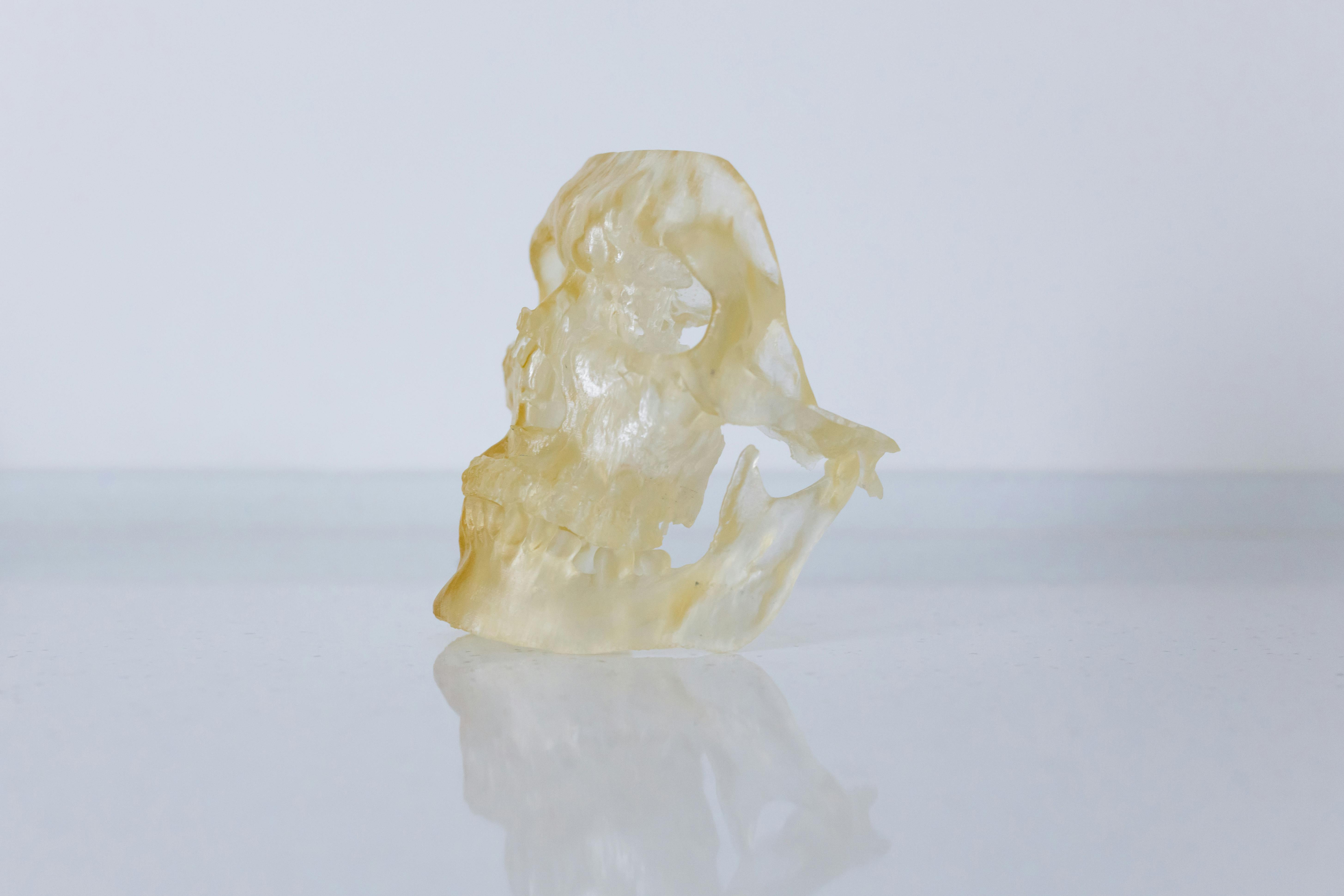
Printing Life: We're One Step Closer to 3D-Printed Organs on Demand
Remember those science fiction movies where you could simply order a new organ? Well, that fantastical dream may be inching closer to reality than ever before. Scientists have made a monumental leap forward in the world of 3D-printed organs: they can now design and fabricate incredibly complex networks of blood vessels, the very lifeblood of any functional organ. This isn't just a minor tweak; it's a game-changer. Imagine a world where organ donation waiting lists are a relic of the past, where damaged organs can be repaired with personalized precision, and where the limitations of the human body are pushed to their absolute limits. This breakthrough is a crucial step towards making that future a tangible possibility.
Why Blood Vessels Matter (A Lot!)
Before we dive into the specifics of this amazing advancement, let's talk about why blood vessels are so incredibly important. Think of your body like a bustling city. Your cells are the residents, constantly working and needing resources to survive. Blood vessels are the intricate network of roads, highways, and even tiny alleyways that deliver essential supplies: oxygen, nutrients, and hormones. They also act as the sanitation system, removing waste products like carbon dioxide. Without a functioning blood vessel network, an organ is essentially dead on arrival. Cells can't get what they need, and waste builds up, leading to organ failure. That's why successfully recreating these complex networks is a foundational requirement for any functional 3D-printed organ.
The Challenge: Replicating Nature's Complexity
Nature has perfected the art of blood vessel design over billions of years. These networks are not just random arrangements; they're highly organized systems, varying in size, shape, and density depending on the organ's specific function. Replicating this level of complexity has been a major hurdle for 3D-printing scientists. Previous attempts often resulted in vessels that were too simplistic, too fragile, or simply didn't connect properly to nourish the printed tissues. Imagine trying to build a complex skyscraper with only a few straight, wide roads leading to it – it wouldn't work. Similarly, poorly designed blood vessels leave the cells in a 3D-printed organ stranded without their essential lifelines.
The Breakthrough: Designing Intricate Networks
The recent advancements, as described in the SingularityHub article, represent a significant breakthrough. Scientists have developed new techniques and algorithms that allow them to design and fabricate blood vessel networks with unprecedented precision and complexity. Here's a breakdown of the key advancements:
- Advanced Design Software: Researchers are using sophisticated software to model and simulate blood vessel networks. This allows them to plan the precise layout of the vessels, accounting for factors like blood flow, pressure, and the needs of the surrounding cells. Think of it as architectural blueprints specifically for blood vessels.
- Bioprinting Techniques: The technology has also improved the printing process itself. Sophisticated bioprinters can now precisely deposit biocompatible materials – often a combination of cells, growth factors, and scaffolding materials – in a layer-by-layer fashion to create the intricate vessel structures.
- Material Innovation: Scientists are experimenting with novel materials that mimic the properties of natural blood vessels. These materials need to be strong, flexible, and, most importantly, able to support the growth of new blood vessels (angiogenesis) once implanted in the body.
Real-World Implications: A Glimpse into the Future
The implications of this breakthrough are vast and far-reaching. Here are some areas where 3D-printed organs with functional blood vessel networks could make a significant impact:
- Organ Transplantation: This is perhaps the most immediate and impactful application. The ability to print fully functional organs on demand could revolutionize organ transplantation, eliminating waiting lists and saving countless lives. Imagine someone with liver failure receiving a perfectly matched, 3D-printed liver, ready to function immediately.
- Drug Development and Testing: 3D-printed organs can serve as realistic models for testing new drugs and therapies. This can help researchers understand how drugs interact with the body, predict side effects, and accelerate the drug development process. This could dramatically reduce the need for animal testing.
- Personalized Medicine: Doctors could potentially print organs tailored to a patient's specific needs, using their own cells. This would minimize the risk of rejection and allow for highly personalized treatments.
- Wound Healing and Tissue Repair: 3D-printed tissues could be used to repair damaged tissues and organs, such as burns or injuries. This could lead to faster healing times and improved outcomes for patients.
Case Study: Consider the case of a patient with severe burns. Current treatments often involve skin grafts, which can be painful and leave scars. With 3D-printed skin containing blood vessels, doctors could potentially create a functional skin substitute that integrates seamlessly with the patient's body, reducing scarring and improving healing.
The Road Ahead: Challenges and Opportunities
While this is a significant step forward, there are still challenges to overcome before 3D-printed organs become commonplace. Here are some of the key areas of ongoing research:
- Scaling Up: Printing large and complex organs, such as the heart or the kidney, requires advanced bioprinting techniques and materials.
- Long-Term Functionality: Researchers need to ensure that the 3D-printed organs function properly and maintain their functionality over the long term.
- Immune Response: Preventing the body from rejecting the 3D-printed organ is crucial. Scientists are exploring methods to reduce the immune response or to engineer the organs to be more compatible with the body.
- Ethical Considerations: As the technology advances, ethical questions will need to be addressed, such as access to these technologies and the potential for misuse.
Actionable Takeaways: What Does This Mean for You?
The advancements in 3D-printed blood vessel networks are a testament to the power of human ingenuity. While we're still years away from widespread availability, this technology holds incredible promise for the future of medicine. Here are a few things to keep in mind:
- Stay Informed: Keep an eye on developments in this field. Scientific progress is accelerating rapidly, and staying informed will help you understand the potential impact of these technologies. Read articles from reputable sources like SingularityHub and academic journals.
- Support Research: Consider supporting organizations that fund research in regenerative medicine and 3D bioprinting. Your contributions can help accelerate progress in this field.
- Be Patient: While the future looks bright, remember that this is a complex and evolving field. It will take time and continued research to bring these technologies to their full potential.
The ability to print intricate blood vessel networks is a crucial milestone on the path to creating fully functional 3D-printed organs. It's a step toward a future where the limitations of the human body are challenged and where medical treatments can be tailored with unprecedented precision. The journey is long, but the destination – a healthier, longer life for all – is worth the effort.
This post was published as part of my automated content series.