DIY Sourdough Starter: From Scratch to Stunning Loaves!

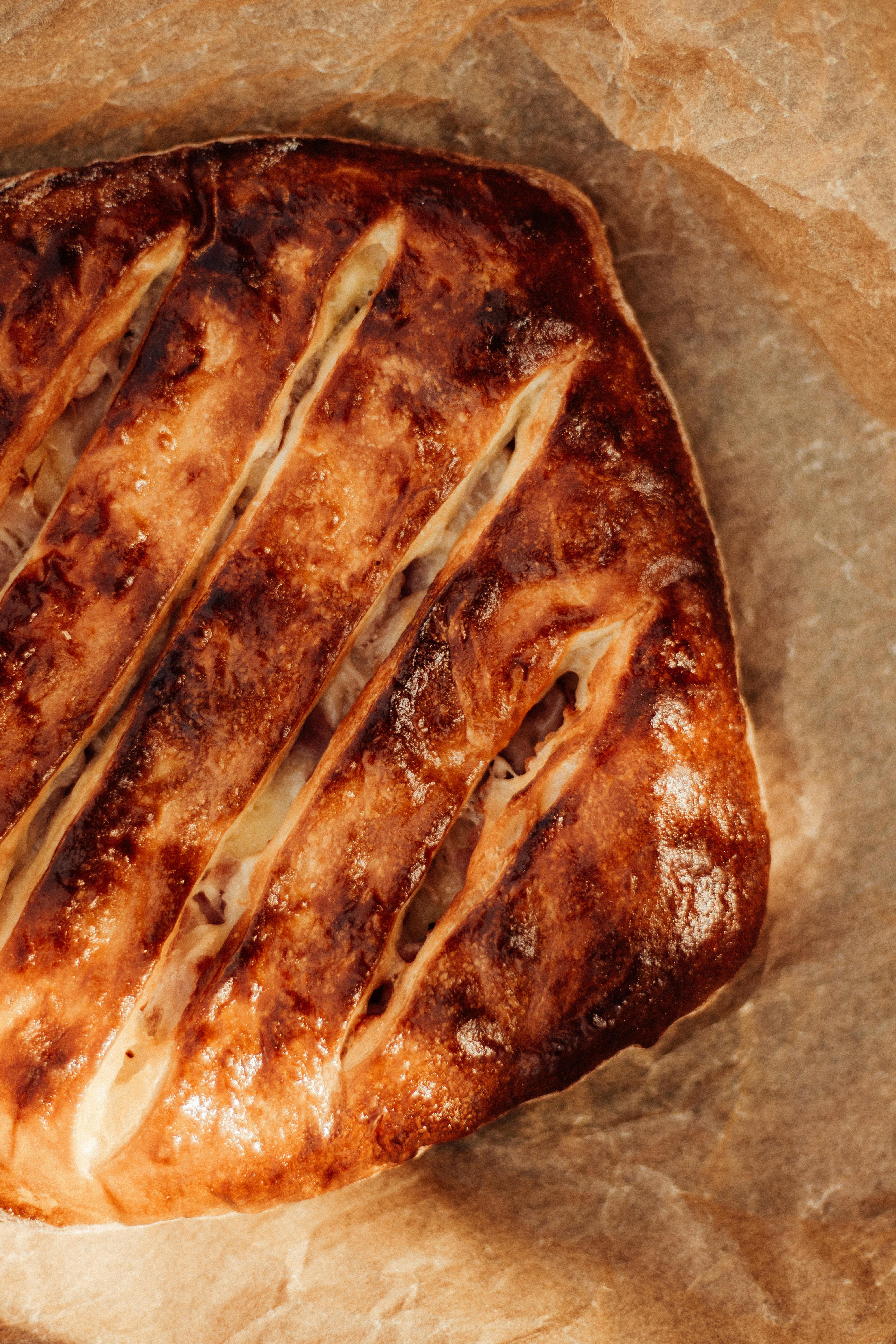
The Sourdough Siren Song: Your Journey Begins Now!
Have you ever walked past a bakery and been completely mesmerized by the aroma of freshly baked bread? That tangy, slightly sour, utterly irresistible scent? Chances are, you were smelling sourdough. And, guess what? You can bring that magic home! Forget expensive artisan loaves – you can become a sourdough superstar, and it all starts with a simple, yet powerful, ingredient: your very own sourdough starter. Think of it as your bread-baking pet, a bubbly culture that will transform humble flour and water into something truly extraordinary.
This guide is your roadmap to sourdough success. We’ll demystify the process, banish the sourdough boogeymen, and get you baking gorgeous, crusty loaves in no time. Get ready to ditch the store-bought and embrace the delicious world of homemade sourdough!
Phase One: Cultivating Your Starter - The Basics
Creating a sourdough starter is a patient game, but the rewards are well worth the wait. Let’s get started! All you need are two ingredients and a little bit of time.
What You'll Need:
- Flour: Unbleached all-purpose flour is a great starting point. Once your starter is established, you can experiment with whole wheat, rye, or other flours. Avoid bleached flour, as it can hinder the process.
- Water: Non-chlorinated water is best. Tap water is generally fine, but if your tap water is heavily chlorinated, consider using filtered water.
- A Jar: A clean glass jar (like a mason jar) is ideal. Make sure it's large enough to accommodate the starter's expansion.
- Patience: Seriously, this is the most crucial ingredient!
The Initial Mix: Day 1
In your jar, combine:
- 1/4 cup (30g) of flour
- 1/4 cup (60g) of water
Mix thoroughly until you have a thick, pasty consistency. It should resemble pancake batter. Cover the jar loosely with a lid (or cheesecloth secured with a rubber band) to allow air circulation. Leave it at room temperature (ideally between 70-75°F/21-24°C) in a relatively stable environment, away from direct sunlight and drafts.
The Daily Feed: Days 2-7 (and Beyond!)
This is where the magic (and the patience) truly begins. Every day (or every 24 hours), you’ll “feed” your starter. This means discarding a portion of the mixture and adding fresh flour and water. Here’s the routine:
- Discard: Spoon out about half of your starter and discard it. You can throw it away, compost it, or (if you're feeling adventurous) use it in discard recipes (pancakes, crackers, etc.).
- Feed: Add 1/4 cup (30g) of flour and 1/4 cup (60g) of water to the remaining starter in the jar. Mix well.
- Cover: Replace the lid loosely and return the jar to its warm, stable location.
What to Expect:
In the first few days, you might not see much activity. Don't panic! You might see some bubbles, a slight sour smell, or nothing at all. By day 4-7, you should start seeing more noticeable changes: bubbling, a slightly sour aroma, and perhaps a slight increase in volume. The smell will evolve; initially, it might smell yeasty or even a bit cheesy. As the days go on, it should develop a pleasant, tangy aroma, like yogurt or, of course, sourdough.
Case Study: My Starter's Journey
I remember when I first started my starter, I was incredibly worried. After day three, it was just a gloopy mess, and I was convinced I'd failed. But I kept feeding it, and by day seven, it had doubled in size, was full of bubbles, and had a wonderful, slightly sweet, sourdough aroma. It was a huge relief and a testament to the fact that patience really does pay off!
Phase Two: Maintaining Your Starter - Keeping it Alive and Kicking
Once your starter is consistently doubling in size within 4-8 hours after feeding, it's ready to bake with! This usually takes about 7-14 days, but it can vary. Now, you need to establish a maintenance routine.
Feeding Frequency:
The frequency of feeding depends on your baking schedule and how you store your starter.
- Active Starter (for regular baking): Feed your starter every 12-24 hours at room temperature. This ensures it’s at its peak activity when you want to bake.
- Refrigerated Starter (for less frequent baking): After your starter is established, you can store it in the refrigerator. This slows down its activity. Feed it once a week. When you want to bake, take it out of the fridge, feed it, and let it sit at room temperature until it doubles in size (usually 4-8 hours) before using it.
Feeding Ratios:
The standard feeding ratio is 1:1:1 (starter:flour:water). For example, to feed a refrigerated starter, you might take out 1 tablespoon of starter, add 1 tablespoon of flour, and 1 tablespoon of water. Adjust the amounts based on your needs. If you're baking frequently, you may want to feed a larger amount of starter. When feeding, always discard some of the starter first.
Troubleshooting Common Starter Problems:
- My starter isn't bubbling: This could be due to several factors: the temperature is too cold, the flour isn't fresh, or the water has chlorine. Try moving your starter to a warmer location (but not too hot!), using fresh flour, and ensuring your water is non-chlorinated. Be patient!
- My starter smells like nail polish remover: This indicates that your starter is hungry. Feed it!
- My starter has a layer of liquid on top (hooch): This is called "hooch" and is a byproduct of fermentation. It’s perfectly normal, especially in a hungry starter. You can either pour it off or stir it back in before feeding.
- My starter has mold: If you see any mold (usually pink, orange, or green), discard the entire starter and start over. Clean the jar thoroughly.
Tip: Keep a log of your feeding schedule and any observations about your starter. This will help you troubleshoot any issues and understand its behavior.
Phase Three: Baking with Your Sourdough Starter - Unleash the Baker Within!
Once your starter is active and bubbly, you're ready to bake! There are countless sourdough recipes available online. Here are the basics to get you started:
- Levain (Pre-ferment): Many recipes require you to create a "levain" or "pre-ferment" a few hours before you start baking. This is essentially a smaller batch of fed starter used to kickstart the leavening process in your final dough.
- Mixing: Combine the ingredients for your dough (flour, water, salt, and levain) according to your recipe.
- Bulk Fermentation: Let the dough rise in a warm place, folding it (stretching and folding the dough over itself) every 30-60 minutes for the first few hours.
- Shaping: Shape the dough into a round or oblong loaf.
- Proofing: Let the shaped loaf rise again in a banneton basket (or a bowl lined with a floured cloth).
- Baking: Bake the loaf in a preheated Dutch oven (or on a baking stone with steam) at a high temperature.
Example Recipe: Simple Sourdough Loaf
While recipes vary, here’s a simplified version to get you started:
- 400g bread flour
- 300g water
- 80g active sourdough starter
- 10g salt
- Mix flour and water, let it rest (autolyse) for 30 minutes.
- Add starter and salt, mix well.
- Bulk ferment for 4-6 hours, folding every 30-60 minutes.
- Shape the loaf and proof in a banneton for 2-4 hours.
- Bake in a preheated Dutch oven at 450°F (232°C) for 20 minutes with the lid on, then 25-30 minutes with the lid off.
Conclusion: Your Sourdough Adventure Awaits!
Congratulations! You've taken the first steps towards becoming a sourdough baker. Remember that creating a sourdough starter and baking sourdough bread is a journey of learning and experimentation. Don't be discouraged by setbacks; they are part of the process. Embrace the process, and enjoy the delicious results. Your kitchen will soon be filled with the intoxicating aroma of fresh, crusty sourdough. Happy baking!
Actionable Takeaways:
- Start your starter today using the flour and water method.
- Be patient and consistent with your feeding schedule.
- Don't be afraid to experiment and learn from your mistakes.
- Find a sourdough recipe and give it a try!
- Most importantly: Enjoy the process and the delicious bread!
This post was published as part of my automated content series.