Greenland's Meltwater: Fueling Arctic Life's Explosive Bloom

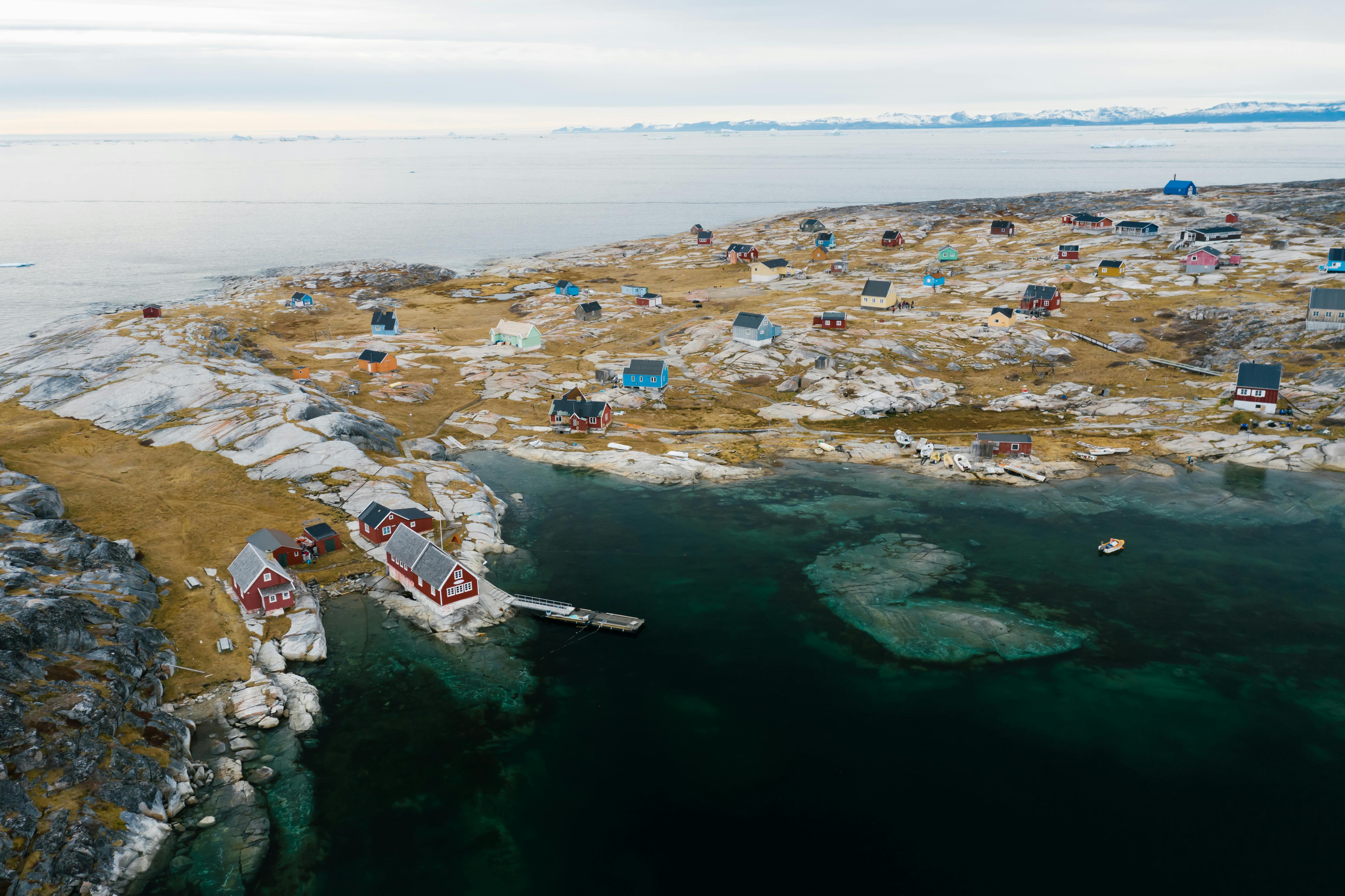
The Arctic's Hidden Engine: Greenland's Glaciers and the Ocean's Feast
Imagine a landscape of towering ice, a silent sentinel of the changing climate. Now, picture that ice not just as a symbol of environmental change, but as a powerful engine, driving a vibrant explosion of life in the ocean. That’s the surprising story emerging from Greenland, where the meltwater from its massive glaciers is fueling a summertime feast in the Arctic waters.
For years, we've known that Greenland's glaciers are melting at an alarming rate. But what we didn't fully grasp was the incredible impact this meltwater has on the ocean's ecosystem. Recent research, backed by NASA-led simulations, is revealing a fascinating connection between the melting ice and the flourishing of life in the Arctic. It's a story of hidden currents, nutrient upwelling, and a surprisingly resilient food web.
The Jakobshavn Glacier: A Case Study in Arctic Transformation
At the heart of this story lies the Jakobshavn Glacier, one of Greenland's largest and fastest-moving glaciers. It's a behemoth of ice, calving massive icebergs into the ocean. But the meltwater from Jakobshavn isn't just a passive byproduct of climate change; it's an active agent of ecological change. Here's how:
- The Nutrient Lift: As the glacier melts, the freshwater runoff flows into the ocean. This freshwater is less dense than the surrounding saltwater. This difference in density creates a vertical mixing effect.
- Deep Water Ascent: This mixing action acts like a pump, drawing up nutrient-rich water from the deeper ocean layers to the surface. Think of it like an elevator bringing essential resources to the top.
- Phytoplankton's Paradise: The newly surfaced water is teeming with nutrients like nitrates and phosphates, the building blocks of life for phytoplankton. These microscopic, plant-like organisms form the base of the Arctic food web.
- The Bloom Begins: Fueled by sunlight and the influx of nutrients, the phytoplankton experience a dramatic population explosion, known as a bloom. The water becomes awash in these tiny organisms, turning it green.
This process, driven by the meltwater, happens primarily during the summer months, when sunlight is abundant, and the sea ice has retreated enough to allow the bloom to flourish. It's a seasonal spectacle, a vibrant display of nature's resilience, and a testament to the interconnectedness of the Earth's systems.
From Microscopic Life to Majestic Whales: The Ripple Effect
The impact of these phytoplankton blooms isn't limited to the microscopic world. They trigger a cascading effect throughout the Arctic food web, supporting a diverse range of marine life:
- Tiny Creatures Thrive: The phytoplankton are devoured by zooplankton, tiny animals that graze on the microscopic plants. These zooplankton, in turn, become food for a variety of larger organisms.
- Fish Abundance: Fish populations, including species like Arctic cod, benefit from the increased food supply, leading to healthier populations and more successful breeding seasons.
- Seabirds Rejoice: Seabirds, such as puffins and auks, rely on fish for their survival, leading to an increase in their populations.
- Marine Mammals Feast: Marine mammals, including seals, walruses, and even whales, are drawn to the nutrient-rich waters and the abundance of prey.
- A Thriving Ecosystem: The entire Arctic ecosystem benefits from this influx of nutrients and energy, showing a direct link between the glacial melt and the health of the region.
This chain reaction illustrates the delicate balance of the Arctic ecosystem and how disruptions, like increased glacial melt, can have far-reaching consequences, both positive and negative.
The Double-Edged Sword: Climate Change and the Future of the Arctic
While the current research highlights the positive impact of glacial melt on the Arctic food web, it's crucial to remember that this is a complex and evolving situation. Climate change is accelerating the rate of glacial melt, and there are potential downsides to this increased freshwater input:
- Changing Ocean Chemistry: Increased freshwater can alter the salinity of the ocean, potentially impacting marine life that has adapted to specific salt concentrations.
- Sea Ice Decline: The warming temperatures that cause glacial melt are also contributing to the loss of sea ice. Sea ice is a crucial habitat for many Arctic animals, including seals and polar bears.
- Disrupting the Timing: The timing of the meltwater pulses and the resulting blooms may become out of sync with the life cycles of other organisms, potentially disrupting the delicate balance of the food web.
- Overall Instability: Excessive freshwater runoff can destabilize ocean currents and disrupt the global climate patterns.
It's a double-edged sword. While the meltwater currently fuels a vibrant ecosystem, the underlying cause – climate change – poses a significant threat to the long-term health and sustainability of the Arctic. The future of the Arctic depends on our ability to mitigate climate change and protect its fragile ecosystems.
Actionable Takeaways: What Can We Do?
So, what can we do? The story of Greenland's glacial melt and its impact on the Arctic is a call to action. Here are some actionable takeaways:
- Reduce Your Carbon Footprint: The most important thing we can do is to reduce greenhouse gas emissions. This means making conscious choices about our energy consumption, transportation, and consumption habits.
- Support Climate Action: Advocate for policies that promote renewable energy, energy efficiency, and sustainable practices. Support organizations working to combat climate change.
- Educate Yourself and Others: Learn more about climate change and its impacts. Share your knowledge with friends, family, and community members.
- Support Sustainable Practices: Make informed choices about the products you buy, opting for sustainable alternatives whenever possible.
- Stay Informed: Follow the latest research on climate change and the Arctic. Understanding the science is crucial for making informed decisions.
The Arctic is a critical part of our planet's ecosystem, and its fate is intertwined with our own. By understanding the complex interactions at play, like the connection between Greenland's glacial melt and the ocean's life, we can work towards a more sustainable future for ourselves and for generations to come.
This post was published as part of my automated content series.