Supermarket Secrets: How Grocery Stores Manipulate Your Cart

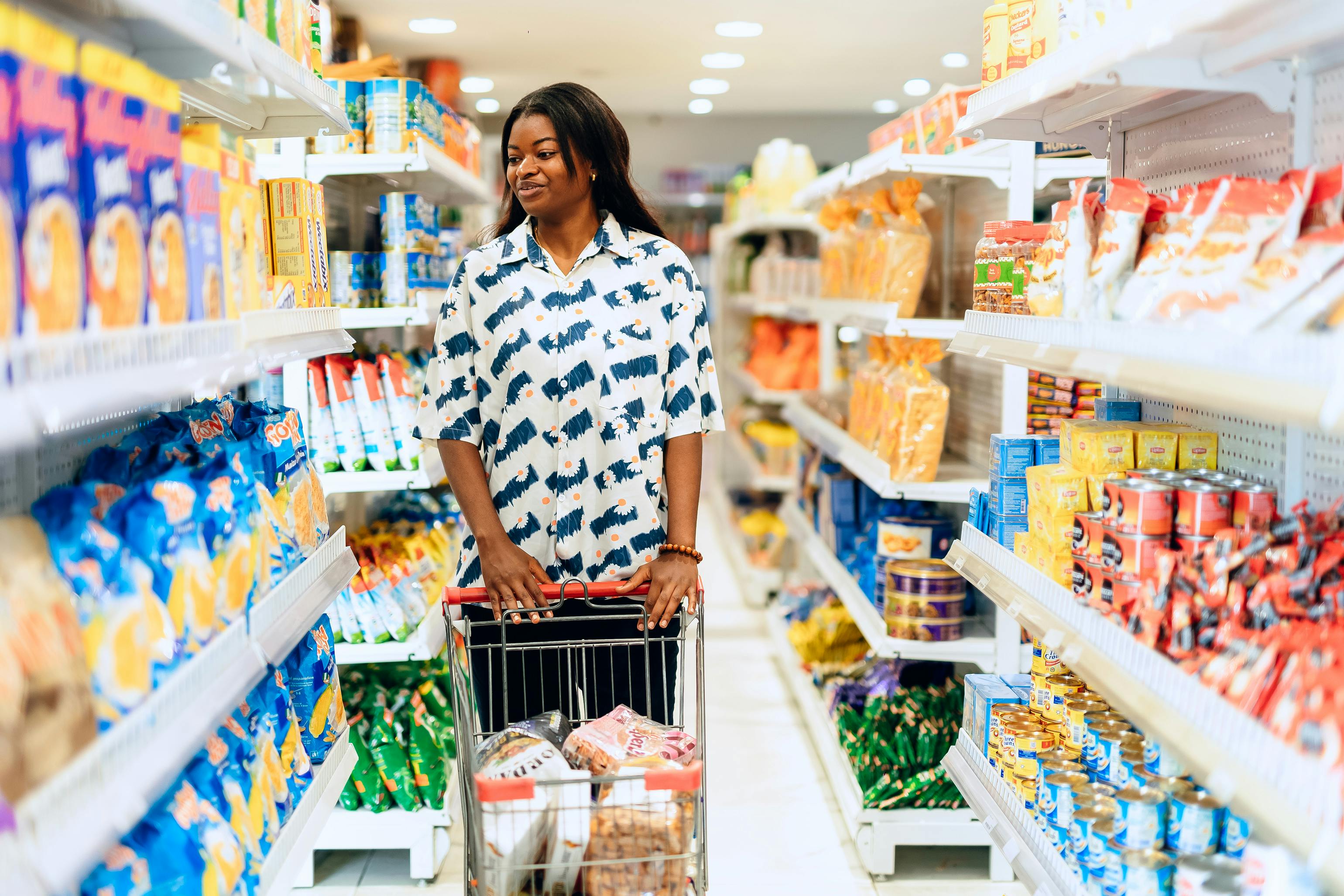
Ever Feel Duped by the Dairy Aisle? Decoding Grocery Store Genius
Let’s be honest, we’ve all been there. You walk into the grocery store for a loaf of bread and milk, and two hours later, you emerge, cart overflowing with items you swear you didn't need. You might even find yourself wondering, “How did I end up here, with a pineapple, a jar of artichoke hearts, and a subscription to artisanal cheese?” The answer, my friends, lies in the surprisingly sophisticated, and often sneaky, genius of grocery store layouts. These aren’t just haphazard arrangements; they're carefully orchestrated psychological battlegrounds designed to influence your every purchase. Prepare to have your shopping habits dissected and your grocery trips forever changed.
The Perimeter Power Play: Freshness First, Sales Second
The first thing you'll notice when you enter almost any supermarket is a strategic emphasis on the perimeter. Think about it: the produce section, the bakery, the meat and seafood departments, and the dairy section are almost always placed along the outer walls. This isn't a coincidence. This layout is all about creating an illusion of freshness and encouraging impulse buys.
Why is the perimeter so important? It's all about perception. Fresh produce, fragrant baked goods, and glistening meats create a sensory experience that's irresistible. The bright colors of fruits and vegetables and the aroma of freshly baked bread stimulate our appetites and make us feel like we're making healthy choices. This positive association primes us to spend more throughout the store. It also encourages you to spend more time in the store, encountering more opportunities to purchase items.
Consider the produce section. It's often the first stop, filled with vibrant colors and attractive displays. This sets the tone for your entire shopping experience. Grocery stores know that if they can get you to load up on healthy items at the beginning, you're more likely to feel less guilty about indulging in those impulse buys later on.
The 'High-Profit' Zones: Where the Real Money Lies
Once you venture beyond the perimeter, you enter the heart of the store: the aisles. This is where the real sales magic happens. Grocery stores meticulously plan the layout of these aisles to maximize your spending. They know where you're likely to spend the most money and strategically place items accordingly.
Here are some key strategies used in the aisles:
- Eye-Level is Buy-Level: The most expensive and profitable items are strategically placed at eye level, where they're most likely to catch your attention. Think about the cereals aimed at children, often filled with sugar and appealing characters, or the premium brands of coffee and snacks.
- Endcaps: Those displays at the ends of the aisles? They're prime real estate. They're used to showcase promotions, seasonal items, or impulse purchases. They're designed to grab your attention and encourage you to add an extra item (or five) to your cart.
- The 'Lost' Aisle: The layout deliberately makes it difficult for you to get in and out quickly. It's a maze, forcing you to browse and encounter more products. The strategic placement of complementary items also increases spending. For example, if you're buying pasta, you might find sauces and parmesan cheese nearby.
- Strategic Placement of Everyday Items: Milk and eggs are often placed at the back of the store. This forces you to walk through the entire store, exposing you to more products along the way.
Anecdote: A study by the University of California, Berkeley, found that supermarkets that placed impulse items near the checkout counter saw a significant increase in sales of those items. This is because shoppers are already in a state of decision-making, and the impulse items offer a quick, easy purchase to satisfy a craving or desire.
The Checkout Conundrum: The Final Temptation
The checkout lane is the final frontier, and it's a masterclass in impulse buying. While you're waiting in line, you're bombarded with tempting treats: candy, magazines, gum, and batteries. These items are typically small, inexpensive, and designed for immediate gratification. This is a perfect opportunity to capitalize on the shopper’s need for instant gratification, or a quick reward for waiting.
The checkout area is designed to make you feel like you deserve a treat after all the work of shopping. This is a highly effective strategy because it preys on our desire for instant rewards and our susceptibility to impulse purchases when we're feeling bored or impatient.
Beyond the Layout: Other Influencing Factors
Grocery stores use other strategies to influence your purchases, including:
- Music: Upbeat music tends to encourage faster shopping, while slower music encourages browsing and impulse buys.
- Lighting: Bright lighting makes produce look more appealing, while softer lighting in other areas encourages a more relaxed mood.
- Sampling: Free samples are a powerful way to encourage you to try new products and make purchases.
- Product Placement: Similar products are often placed near each other to encourage comparison shopping and increase the likelihood of a purchase.
Actionable Takeaways: Shopping Smarter, Not Harder
Now that you're armed with the knowledge of grocery store layouts, you can take control of your shopping habits. Here's how:
- Make a List and Stick to It: This is the most effective way to avoid impulse buys.
- Shop the Perimeter First: Focus on the fresh, healthy foods and avoid the inner aisles as much as possible.
- Be Aware of Eye-Level Placement: Look down and up to find the best deals.
- Avoid Shopping When Hungry: You're more likely to make impulsive, unhealthy choices.
- Don't Linger in the Checkout Lane: Resist the temptation to buy impulse items.
- Consider Online Grocery Shopping: This can eliminate many of the impulse purchase temptations.
By understanding the psychology behind grocery store layouts, you can become a more informed and conscious shopper. You can make smarter choices, save money, and avoid the trap of the never-ending shopping cart. It's time to take back control of your grocery trips and become the master of your own shopping destiny!
This post was published as part of my automated content series.