AI-Powered Digital Twins: The Future of Your Business?

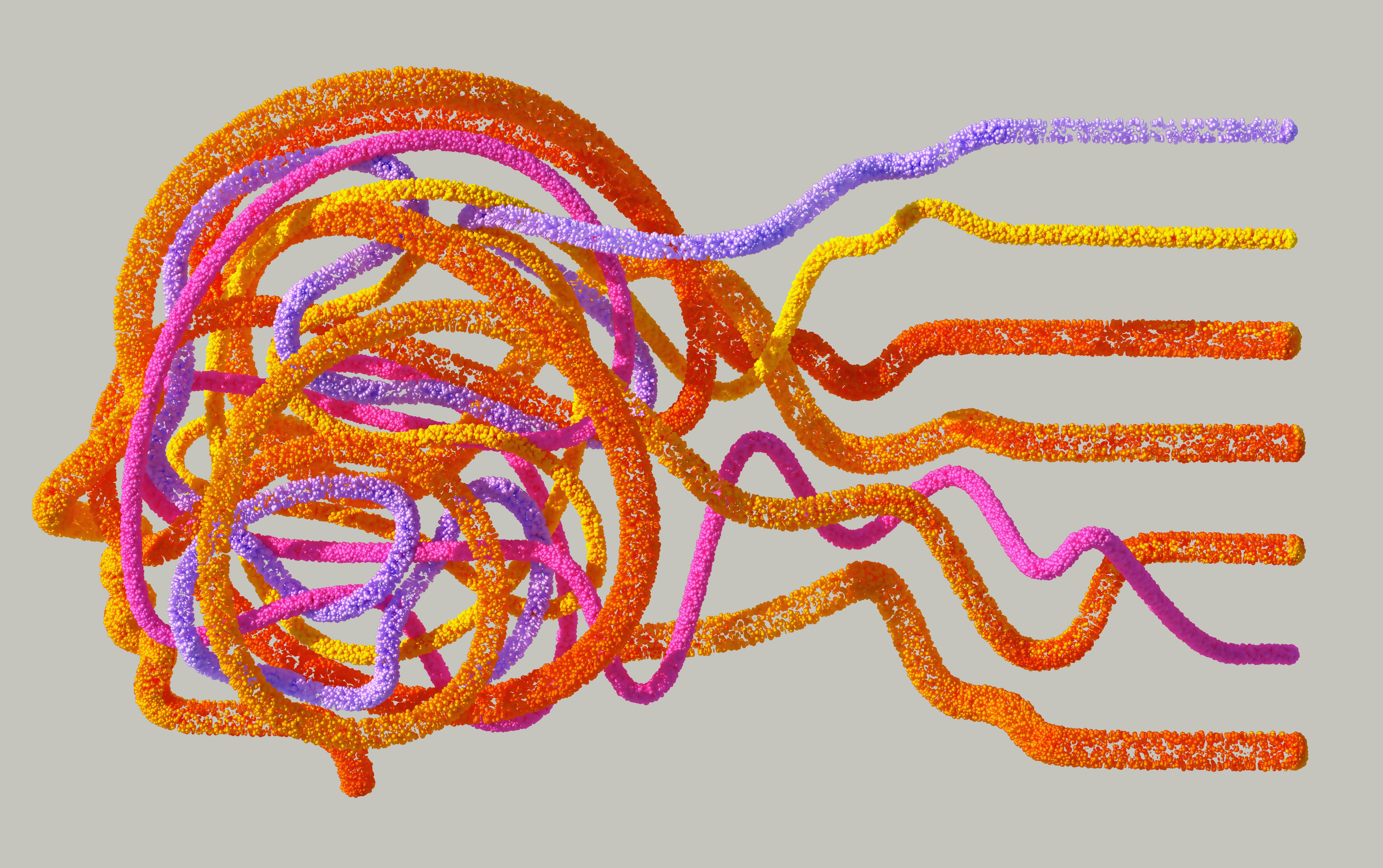
The Hologram of Your Business: Welcome to the Future
Imagine having a perfect, living replica of your entire business – a virtual twin that mirrors every process, system, and even the subtle nuances of your operations. This isn't science fiction; it's the reality being forged by AI-powered digital twins. For years, digital twins have offered glimpses into this future, but now, with the infusion of Artificial Intelligence, they're transforming from static models into dynamic, predictive powerhouses. Forget static simulations; we're talking about a proactive, data-driven approach that’s poised to redefine efficiency, innovation, and risk management. Let’s dive in and explore how this technology is set to revolutionize the business landscape.
What Exactly is an AI-Powered Digital Twin?
At its core, a digital twin is a virtual representation of a physical asset, system, or process. It’s built using real-time data collected from sensors, IoT devices, and other sources. This data feeds into the digital twin, allowing it to mirror the behavior of its physical counterpart. But here's where AI steps in and takes it to the next level. AI algorithms, particularly machine learning, analyze the data from the physical asset and the digital twin, identifying patterns, predicting future outcomes, and even suggesting optimizations. Think of it as having a highly intelligent, constantly learning consultant that never sleeps.
Here's a breakdown of the key components:
- Data Acquisition: Collecting real-time data from various sources (sensors, devices, databases).
- Model Creation: Building a virtual replica of the physical asset or system.
- AI Integration: Embedding AI algorithms for analysis, prediction, and optimization.
- Feedback Loop: Using the insights gained to improve the physical asset or system.
Unlocking the Power: Real-World Applications
The beauty of AI-powered digital twins lies in their versatility. They can be applied across a vast range of industries and use cases. Let's look at some compelling examples:
Manufacturing: Predictive Maintenance and Optimized Production
Imagine a manufacturing plant where machines never break down unexpectedly. That's the promise of AI-powered digital twins. By analyzing data from sensors embedded in machinery, the digital twin can predict when a machine is likely to fail, allowing for proactive maintenance. This minimizes downtime, reduces repair costs, and maximizes production efficiency. For example, GE uses digital twins to optimize its jet engines, predicting maintenance needs and improving fuel efficiency, leading to significant cost savings and improved performance. Another example is Siemens, which utilizes digital twins to simulate and optimize entire production lines, identifying bottlenecks and improving overall output.
Healthcare: Personalized Medicine and Optimized Hospital Operations
In healthcare, digital twins can revolutionize patient care. By creating a digital replica of a patient, doctors can simulate different treatments, predict how a patient will respond, and personalize care plans. This leads to better outcomes and reduced healthcare costs. Furthermore, digital twins can optimize hospital operations. For example, they can be used to model patient flow, predict emergency room congestion, and optimize resource allocation. Some hospitals are even using them to train surgeons in a risk-free environment.
Retail: Enhanced Customer Experience and Supply Chain Optimization
Retailers can leverage digital twins to enhance the customer experience and optimize their supply chains. By analyzing customer behavior data, retailers can create digital twins of their stores, allowing them to simulate different layouts, product placements, and marketing campaigns. This helps them optimize the shopping experience and increase sales. Digital twins also optimize the supply chain by modeling logistics, predicting demand, and identifying potential disruptions. Amazon, a leader in this space, utilizes digital twins extensively to manage its vast distribution network and ensure efficient delivery.
Energy: Grid Optimization and Renewable Energy Management
The energy sector is also seeing significant benefits. Digital twins can be used to optimize power grids, predict energy demand, and improve the efficiency of renewable energy sources. This leads to a more reliable and sustainable energy supply. For instance, utilities are using digital twins to manage wind farms, predicting when turbines will need maintenance and optimizing their performance. The ability to simulate different scenarios helps in planning and resource allocation.
Untapped Potential: Beyond the Obvious
While the current applications are impressive, the potential of AI-powered digital twins extends far beyond what we’ve seen. As AI technology continues to advance, we can expect to see:
- More sophisticated predictive capabilities: AI will become even better at forecasting future events and identifying hidden patterns.
- Greater automation: Digital twins will automate more complex tasks, freeing up human workers for higher-level activities.
- Increased personalization: Digital twins will enable hyper-personalization in various industries, from healthcare to retail.
- Improved sustainability: Digital twins will play a vital role in optimizing resource utilization and reducing waste.
Preparing Your Business for the Digital Twin Revolution
Ready to embrace the future? Here's how to prepare your business for the transformative power of AI-powered digital twins:
- Assess your current infrastructure: Evaluate your existing data collection capabilities and identify areas for improvement.
- Define your goals: Determine which business processes you want to optimize or problems you want to solve using digital twins.
- Invest in data infrastructure: Ensure you have the necessary hardware, software, and expertise to collect, store, and analyze data.
- Choose the right partners: Work with experienced vendors who can help you build and implement your digital twin solutions.
- Start small and scale up: Begin with a pilot project to test the waters and then gradually expand your digital twin initiatives.
- Foster a data-driven culture: Encourage data-driven decision-making and promote a culture of innovation throughout your organization.
The Bottom Line: A Future Worth Building
AI-powered digital twins represent a paradigm shift in how businesses operate. They offer unprecedented opportunities for efficiency gains, proactive problem-solving, and innovation. By embracing this technology, businesses can gain a competitive edge, optimize their operations, and prepare for the future. The time to act is now. By understanding the fundamentals, exploring the potential, and taking the right steps, you can position your business at the forefront of this exciting new era.
This post was published as part of my automated content series.