Brew Like a Pro: Your Guide to Amazing Coffee (No Snobbery!)

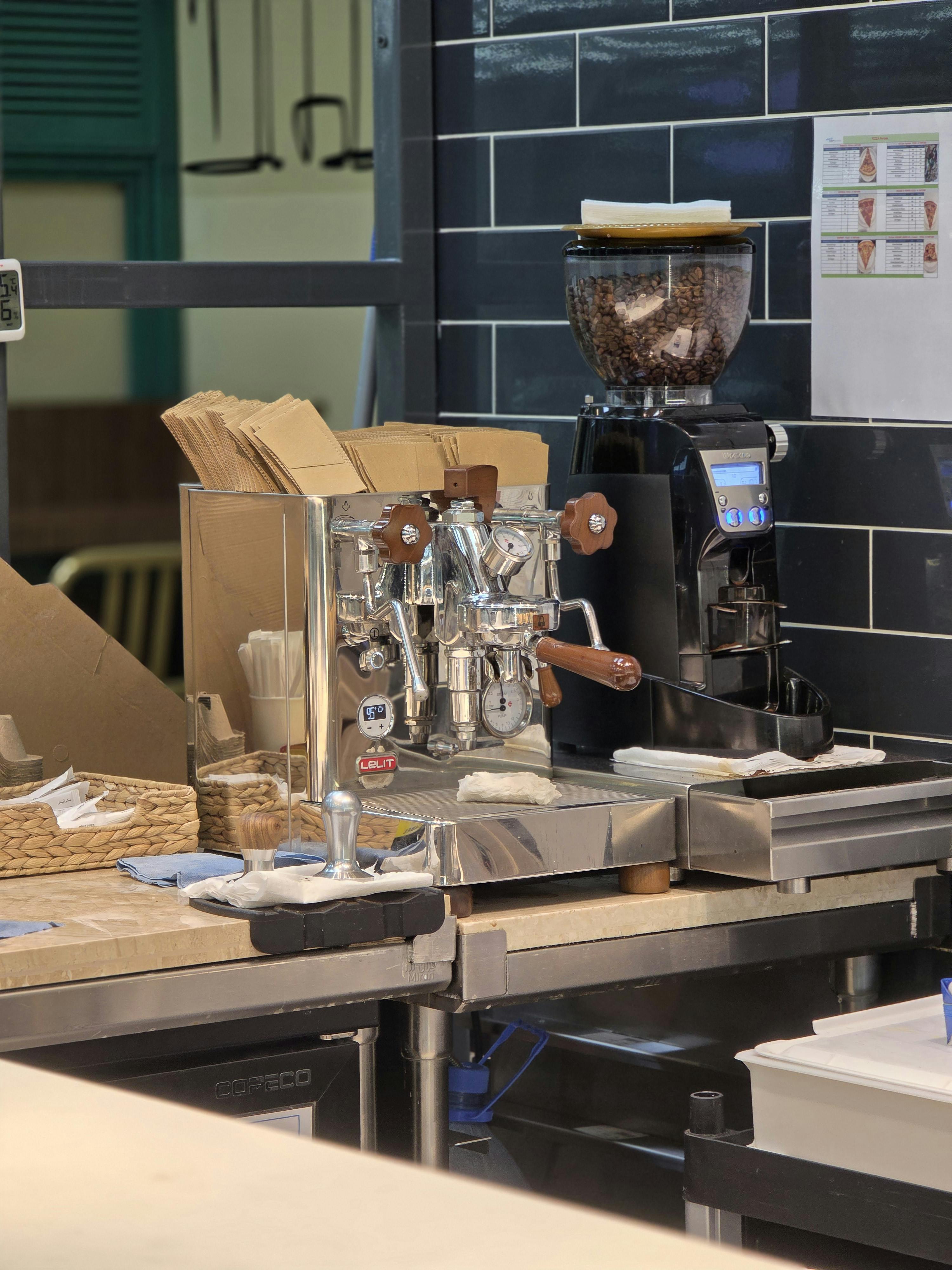
Tired of Bad Coffee? Level Up Your Brew Game!
Let's be honest, that instant coffee you've been relying on? It's a betrayal of your taste buds. But the thought of becoming a full-blown coffee snob, with all the pronouncements about body, acidity, and the perfect bloom? Ugh, no thanks! The good news is, you don't need a pretentious air or a trust fund to enjoy truly fantastic coffee at home. This guide is your passport to delicious brews, from bean to cup, without the attitude.
1. The Bean Basics: Your Coffee's Superhero Origin Story
The journey to great coffee starts with the bean. Think of it like choosing the right ingredients for a gourmet meal. Here’s what you need to know:
- Fresh is King: Coffee beans, like any fresh produce, have a peak flavor window. Buy whole beans and grind them just before brewing. Aim to use your beans within 2-3 weeks of roasting. You can often find the roast date (not the “best by” date) on the bag.
- Whole Bean vs. Pre-Ground: Pre-ground coffee is convenient, but it loses flavor rapidly. Invest in a burr grinder (more on that later!) for the best results.
- Arabica vs. Robusta: Arabica beans are generally considered higher quality, with a more complex flavor profile. Robusta beans have more caffeine and a bolder, sometimes bitter, taste. Experiment to find what you like!
- Explore Origins & Roasts: Just like wine, coffee beans come from different regions with unique characteristics. Try beans from Ethiopia (often fruity and floral), Colombia (balanced and classic), or Sumatra (earthy and full-bodied). Light roasts tend to highlight the bean's origin flavors, while darker roasts have a bolder, more roasted taste.
2. Grind It Out: The Grinding Game
Grinding is arguably the most important step after choosing your beans. The grind size determines how quickly the water extracts the coffee's flavors. Get it wrong, and you get underextracted (sour) or overextracted (bitter) coffee.
- Burr Grinder is Essential: A burr grinder uses two revolving abrasive surfaces to crush the beans evenly. This is way better than a blade grinder, which chops unevenly and creates inconsistent grounds.
- Grind Size Matters:
- Coarse: French press, cold brew.
- Medium-Coarse: Chemex.
- Medium: Drip coffee, pour-over.
- Fine: Espresso.
- Experiment: The best grind size depends on your brewing method and personal preference. Start with the recommended setting for your chosen method and adjust from there.
3. Brewing Methods: Choose Your Weapon (of Flavor!)
There's a world of brewing methods beyond the standard drip machine. Each offers a unique flavor profile and level of control. Here are a few popular options:
- Drip Coffee Maker: The classic! Look for one with a good thermal carafe (keeps coffee hot without burning it) and a showerhead design to saturate the grounds evenly.
- Pour-Over (e.g., Hario V60, Kalita Wave): Offers incredible control over every aspect of the brewing process. It's a hands-on experience that allows for detailed flavor profiling. The V60 is known for its bright, clean cups; the Wave for its more balanced brews.
- French Press: Simple and produces a full-bodied, rich cup. Requires a coarser grind. Be careful not to over-extract (steep for too long), which can lead to bitterness.
- AeroPress: Versatile and portable, the AeroPress makes a smooth, concentrated coffee that can be enjoyed as is or diluted with water.
4. The Golden Ratio: Water & Coffee
The ratio of coffee to water is crucial for achieving the perfect brew. A good starting point is a 1:15 to 1:17 coffee-to-water ratio. This means for every gram of coffee, you'll use 15-17 grams of water.
Example: If you're using 20 grams of coffee, you'll use 300-340 grams of water (20g x 15 = 300g; 20g x 17 = 340g).
Use a kitchen scale to measure both your coffee and water for accuracy. Trust me, it makes a difference!
5. Water Quality: Don't Skimp!
Water is the silent hero of your coffee. Using filtered water is essential, as tap water can contain chlorine and other impurities that ruin the flavor.
- Temperature: The ideal water temperature for brewing is around 195-205°F (90-96°C). If you don't have a thermometer, let boiling water sit for about a minute before pouring.
- Water to Coffee Ratio: As mentioned above, this ratio is very important.
6. Brewing Techniques: Mastering the Pour-Over
Let's dive into a simple pour-over technique (using a Hario V60 as an example):
- Preheat: Rinse the filter with hot water to remove any paper taste and preheat your server. Discard the rinse water.
- Grind: Grind your beans to a medium-fine consistency.
- Add Coffee: Place the ground coffee in the V60.
- Bloom: Slowly pour a small amount of hot water (about twice the weight of the coffee) over the grounds to saturate them. Let it bloom for 30-45 seconds. This releases CO2 and enhances flavor.
- Pour: Slowly pour the remaining water in a circular motion, ensuring all grounds are saturated. Aim for a total brew time of 2:30-3:30 minutes.
- Enjoy!
7. Flavor Profiling: The Art of Tasting
Once you've mastered the basics, it's time to start exploring the nuances of coffee flavor. Here are some terms to get you started:
- Acidity: The bright, tart, and lively sensation on your tongue (like the tang of citrus).
- Body: The weight or mouthfeel of the coffee (e.g., light, medium, full).
- Flavor Notes: The specific flavors you perceive (e.g., chocolate, berry, floral).
- Balance: How well the different flavor components work together.
Practice makes perfect! Take notes on the beans you try, the brewing method, and the flavors you taste. Over time, you'll develop a better understanding of your preferences and how different variables affect the final cup.
8. Avoid the Coffee Snob Trap!
Here's the secret: you don't need to know everything to enjoy great coffee. Don't feel pressured to use fancy equipment or follow complex rituals. The most important thing is to experiment, find what you like, and have fun!
Case Study: My friend, Sarah, started with a simple French press and pre-ground beans. Over time, she upgraded to a burr grinder and started experimenting with different beans and brewing times. Now, she makes amazing coffee every morning and shares her passion with friends, without ever sounding like a coffee know-it-all.
Conclusion: Your Coffee Adventure Begins Now!
Becoming a coffee aficionado doesn't have to be intimidating. By focusing on fresh beans, proper grinding, and experimenting with different brewing methods, you can unlock a world of delicious coffee without the snobbery. Embrace the journey, enjoy the process, and most importantly, savor every sip. Your taste buds will thank you!
Actionable Takeaways:
- Buy whole bean coffee and grind it fresh.
- Invest in a burr grinder.
- Experiment with different brewing methods.
- Use filtered water.
- Measure your coffee and water for consistent results.
- Don't be afraid to try new things and have fun!
This post was published as part of my automated content series.