Hidden Star Systems: Unlocking Dark Matter Secrets in Our Galaxy

Lost in the Cosmos: Are We Missing a Piece of the Puzzle?
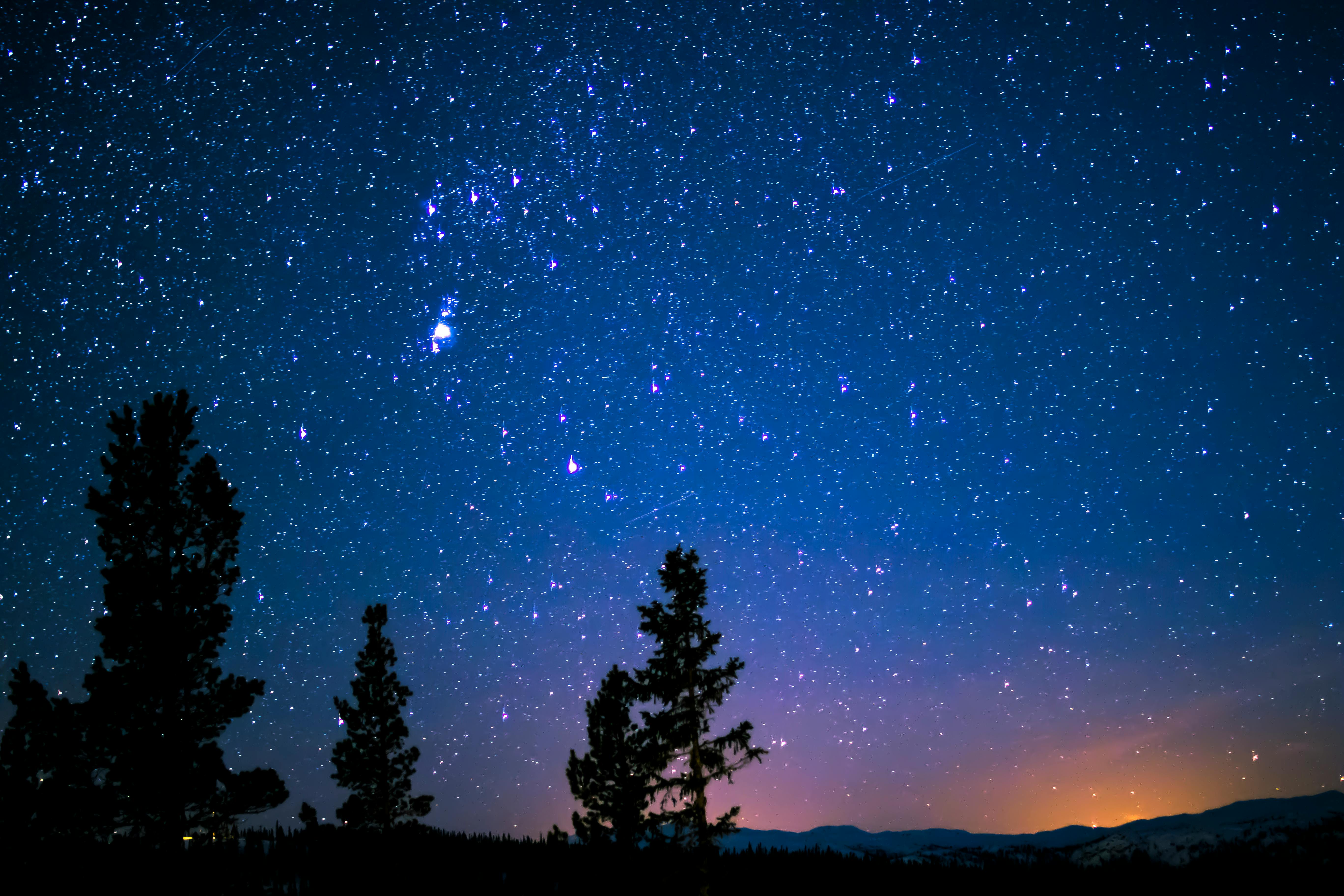
Imagine gazing up at a star-speckled night sky, feeling a sense of wonder and perhaps, a touch of bewilderment. We see galaxies, nebulas, and countless twinkling points of light. But what if the most significant secrets lie hidden just beyond our immediate view? What if the very fabric of the universe – the mysterious dark matter – has been hiding in plain sight, disguised within the structure of our own Milky Way galaxy? This isn't science fiction; it's the intriguing possibility emerging from cutting-edge research on globular clusters and their surprising relatives: “globular cluster-like dwarfs.”
Unraveling the Globular Cluster Enigma
For centuries, astronomers have been captivated by globular clusters. These are incredibly dense, spherical collections of hundreds of thousands, even millions, of stars, all gravitationally bound together. They orbit galaxies like our own Milky Way, but here's the kicker: unlike galaxies, globular clusters appear to lack the large amounts of dark matter that we’d expect to find holding them together. This has always been a puzzle. How could such massive stellar systems exist without the invisible glue of dark matter to prevent them from flying apart?
Think of it like this: imagine a tightly packed ball of marbles. The marbles represent stars, and the gravity of the ball holds them together. Now, imagine that ball is moving at high speed. Without some extra, unseen force, the marbles would start to scatter. In galaxies, we believe that “extra force” is dark matter. But in globular clusters, that force seems to be missing. This discrepancy has led scientists to question our understanding of both dark matter and the formation of these ancient stellar cities.
Simulations Reveal a New Cosmic Class
Recent advancements in computational power have allowed researchers to run incredibly detailed simulations of globular cluster formation. These simulations, using complex algorithms and vast datasets, essentially recreate the early universe, allowing scientists to watch these star systems evolve over billions of years. What they found was astonishing. These simulations, while attempting to explain the origins of standard globular clusters, unexpectedly predicted the existence of something new: a class of cosmic objects that bridge the gap between globular clusters and dwarf galaxies. They call them “globular cluster-like dwarfs.”
These “dwarfs” are essentially smaller versions of dwarf galaxies, but with a crucial difference: they’re incredibly compact and lack significant amounts of dark matter, much like globular clusters. They share the stellar density of globular clusters but are more massive and, crucially, contain a different population of stars, including some of the earliest stars in the universe. They are, in essence, a “missing link” in our understanding of galactic evolution.
Why This Matters: The Dark Matter Connection
The discovery of globular cluster-like dwarfs is more than just a fascinating theoretical prediction. It opens up exciting new avenues for studying dark matter. Here’s why:
- Dark Matter's Influence: Dwarf galaxies are known to be dominated by dark matter. Studying how these “globular cluster-like dwarfs” interact with their surroundings will provide crucial data about the distribution and behavior of dark matter. Do they have a dark matter halo, albeit a small one? Or are they truly devoid, offering a unique test case for dark matter models?
- Early Universe Clues: These objects likely formed in the early universe, during a period when the first stars were igniting. Studying their stellar populations (the types of stars they contain and their ages) will provide valuable insights into the conditions that existed shortly after the Big Bang. The stars in these dwarfs might be older than those found in typical globular clusters.
- Mapping Dark Matter: By observing the movement of stars within these objects, astronomers can map the distribution of dark matter and test different theories about its nature. This could help us understand what dark matter is – is it made of weakly interacting massive particles (WIMPs), axions, or something else entirely?
Searching for Cosmic Ghosts: Where to Look
The simulations predict that these globular cluster-like dwarfs could already be lurking in the Milky Way, but they are faint and difficult to spot. They’re essentially cosmic ghosts, blending in with the countless other stars and nebulae in our galaxy. But astronomers are actively searching for them. Here's how:
- Telescope Power: Powerful telescopes like the James Webb Space Telescope (JWST) and the Vera C. Rubin Observatory are crucial. JWST, with its ability to peer through dust clouds and observe in infrared light, can detect the faintest stars. The Rubin Observatory will conduct a deep, wide survey of the sky, potentially revealing these hidden objects.
- Stellar Archaeology: Scientists are analyzing the chemical composition and ages of stars in the Milky Way, looking for unusual groupings that might indicate a globular cluster-like dwarf. By studying the “fingerprints” of the stars, they can piece together the history of these objects.
- Gravitational Lensing: The gravity of massive objects can bend and magnify the light from more distant objects. Astronomers can use this effect, known as gravitational lensing, to search for these faint dwarfs.
A Case Study: The Fornax Dwarf Spheroidal Galaxy
As an example, consider the Fornax Dwarf Spheroidal galaxy, a satellite of the Milky Way. While not a perfect example of a globular cluster-like dwarf (it has a significant amount of dark matter), its study provides a glimpse into the potential of these objects. Astronomers have been studying the stars in Fornax for decades, using their motions and compositions to map its dark matter halo. This research has helped refine our understanding of how dark matter interacts with regular matter in dwarf galaxies, providing a model for what we might find in the new class of objects.
The Future of Dark Matter Exploration
The search for globular cluster-like dwarfs is a thrilling endeavor, promising to revolutionize our understanding of the universe. These objects could provide crucial insights into the nature of dark matter, the formation of the first stars, and the early evolution of galaxies. It's a bit like finding a hidden treasure map that leads to the biggest mystery of all: what makes up the universe.
Actionable Takeaways
So, what can you do with this information? Here are some actionable takeaways:
- Stay Informed: Follow the latest discoveries in astronomy and cosmology. Keep an eye on reputable science news sources and astronomy publications.
- Support Science: Support organizations that fund astronomical research. Your contributions help make these groundbreaking discoveries possible.
- Engage in Citizen Science: Participate in citizen science projects, such as those that analyze astronomical data. You could contribute to the discovery of a new globular cluster-like dwarf!
- Spread the Word: Share this information with your friends and family. The more people are aware of these fascinating discoveries, the more support there will be for science.
The universe is vast and full of mysteries. The discovery of globular cluster-like dwarfs is a testament to the power of scientific exploration and the importance of questioning our assumptions. As we continue to probe the cosmos with ever-more sophisticated tools, we may finally be able to unveil the secrets of dark matter and unlock a deeper understanding of our place in the universe.
This post was published as part of my automated content series.