Sourdough's Sour Secret: Unlocking Tangy Flavor & Fermentation

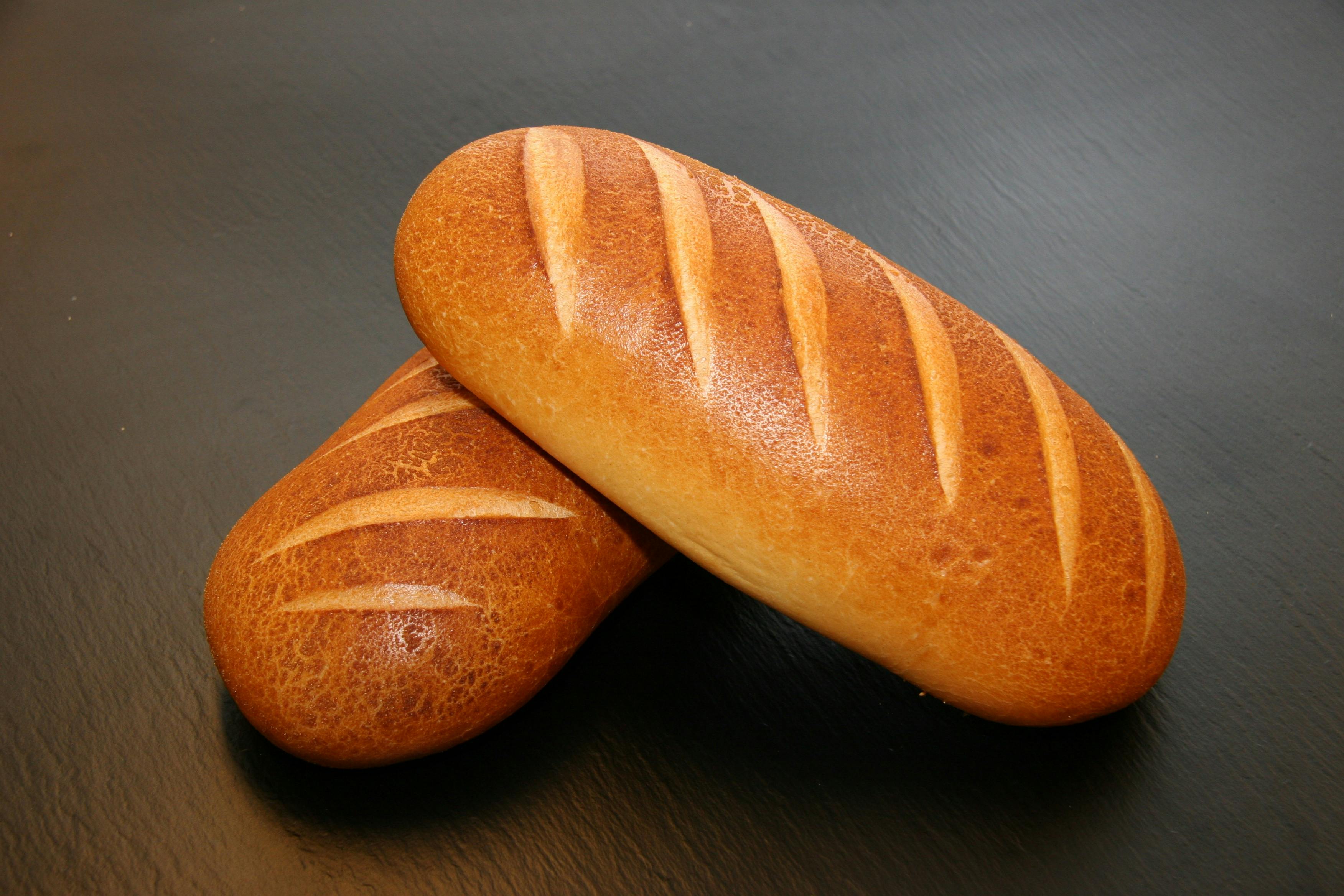
The Sourdough Sourness Saga: Beyond the Bite
Ah, sourdough. That tangy, chewy, utterly addictive bread. For those of us who've fallen under its spell, the sourness is a siren song. But have you ever stopped to wonder why it's sour? It's not just magic, folks (though it certainly feels like it). The secret lies in a microscopic world of bacteria and fermentation, a process that transforms simple ingredients into a culinary masterpiece. Let's dive deep and unravel the surprising secrets behind sourdough's signature tang, and how you can control it in your own kitchen.
The Microbial Marvels: Meet the Sourdough Stars
The sourness of sourdough isn't a result of one single ingredient or process, but a symphony of microbial activity. The key players in this delicious drama are lactic acid bacteria (LAB) and wild yeasts. They're naturally present in flour and the environment, and they work together during fermentation to create the unique flavor profile we crave.
Let's meet the stars:
- Lactic Acid Bacteria (LAB): These microscopic powerhouses are the primary drivers of sourness. They feed on the starches in the flour and produce lactic acid as a byproduct. Lactic acid is the main culprit behind that characteristic tangy bite. There are various strains of LAB, each contributing slightly different flavor nuances. Some produce more lactic acid than others, impacting the intensity of the sourness.
- Wild Yeasts: While LAB are the sourness specialists, wild yeasts are the leavening agents. They produce carbon dioxide, which creates the air pockets that give sourdough its airy texture and rise. They also contribute to the overall flavor profile through the production of various aromatic compounds.
The balance between these two groups, and the specific strains present, is what makes each sourdough starter and loaf unique. Think of it like a fingerprint – no two are exactly alike!
The Fermentation Fiesta: How Sourness is Born
Fermentation is the heart of sourdough. It's the process where the LAB and wild yeasts work their magic. It's a complex dance, but here's a simplified breakdown:
- Mixing & Hydration: You start by mixing flour and water. This creates an environment where the naturally occurring microbes can thrive. The hydration level (the ratio of water to flour) is crucial. More water can lead to a more active fermentation and potentially more sourness.
- The Starter's Role: You then introduce your sourdough starter, which is a culture of LAB and wild yeasts. The starter is the engine that drives the fermentation process.
- The Feedings: The starter is fed with fresh flour and water, replenishing its food supply and keeping the microbes active.
- The Bulk Fermentation: The bulk fermentation stage, where the dough rises before shaping and baking, is where the LAB really get to work. They consume the sugars from the flour and produce lactic acid, acetic acid (which contributes to a sharper sourness), and other flavor compounds. The longer the bulk fermentation, the more sour the bread will generally become.
- The Proofing: After shaping, the dough undergoes a final proofing period. This can be at room temperature or in the refrigerator, where the fermentation continues, albeit at a slower pace (refrigeration favors lactic acid production).
- The Baking: The heat of the oven kills off the microbes, but the flavors they created are locked in, giving the final loaf its signature sourness.
The interplay of these steps, and the environmental conditions (temperature, humidity), influences the final sourness level.
The Sourness Spectrum: Factors You Can Control
Want to dial up or down the sourness in your sourdough? You're in luck! Several factors are within your control:
- Starter Age and Health: A well-established, mature starter often produces a more pronounced sour flavor. Regularly feeding your starter with equal parts flour and water, and discarding a portion before feeding, will keep it healthy and active.
- Fermentation Time: This is perhaps the most significant factor. Longer fermentation periods, especially during bulk fermentation and proofing, generally lead to a more sour loaf. Experiment with different durations to find your preferred level. Cold fermentation (proofing in the refrigerator) typically enhances sourness.
- Temperature: Warmer temperatures encourage faster fermentation and can sometimes lead to a less complex sourness. Colder temperatures slow down fermentation, which can produce a more nuanced and often more sour flavor profile.
- Hydration Level: Higher hydration levels (more water in the dough) can encourage more LAB activity and potentially increase sourness.
- Flour Type: Different flours contain varying amounts of nutrients and sugars, which can affect the fermentation process and ultimately the sourness. Whole wheat flour, for example, often contributes a more robust sour flavor.
- Rye Flour: Adding rye flour to your dough can boost sourness. Rye contains higher levels of fermentable sugars.
Case Study: The Overnight Proof Experiment
Let's say you want a tangier loaf. A simple experiment is to extend the proofing time. After shaping your dough, instead of baking immediately, place it in the refrigerator overnight (or even for 24-48 hours). The cold environment slows down the yeast activity while allowing the LAB to continue producing lactic acid. The result? A noticeably more sour and flavorful loaf!
Troubleshooting Sourness: When Things Go Awry
Sometimes, your sourdough might not be as sour as you'd like, or perhaps it's too sour. Here are some troubleshooting tips:
- Not Sour Enough: Try extending the bulk fermentation time, proofing in the refrigerator, using a more mature starter, or incorporating rye flour.
- Too Sour: Reduce the fermentation time, especially during bulk fermentation. Use a less mature starter (one that hasn't been fed as recently), or try using a lower hydration recipe.
- Vinegary Sourness: This can be due to too much acetic acid production. Reduce fermentation time, especially at warmer temperatures.
- Weak Flavor: Ensure your starter is active and healthy. Feed it regularly.
The Takeaway: Embrace the Tang!
The sourness of sourdough is a testament to the fascinating power of fermentation. By understanding the key players (LAB and wild yeasts) and the factors that influence their activity, you can master the art of crafting the perfect tangy loaf. Experiment with different fermentation times, temperatures, and ingredients to find your sweet spot. Don't be afraid to embrace the journey – it's a delicious one! So, go forth, feed your starter, and bake some bread! The world of sourdough awaits, and it's brimming with flavor.
This post was published as part of my automated content series.