Exploring the Apple River Dog Crystal Phenomenon

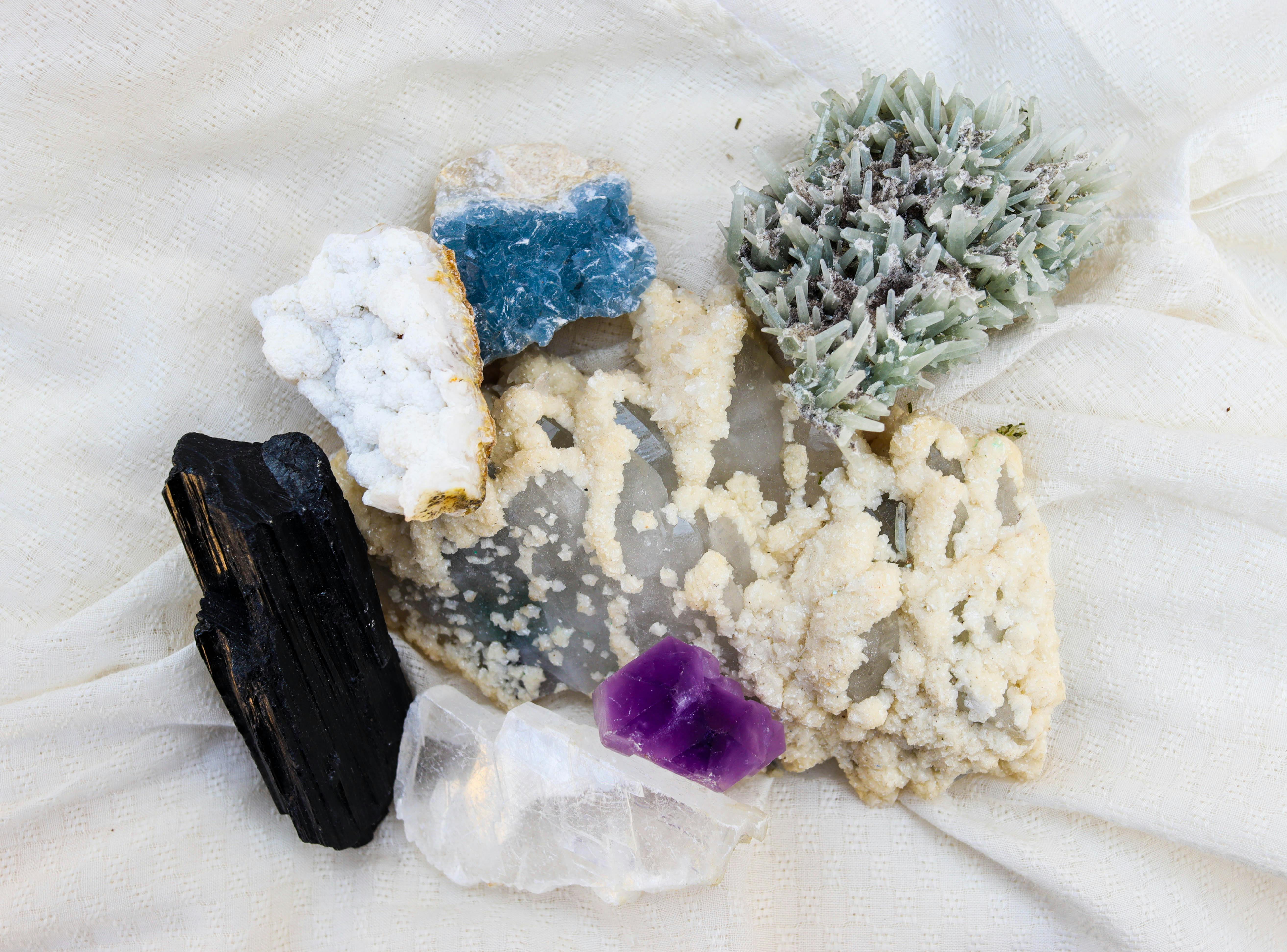
Discovering the Magic of Apple River Dog Crystals
Have you ever stumbled upon a geological mystery that feels like it was plucked straight from a fantasy novel? That is exactly how many feel when they first encounter the Apple River dog crystal. While the name might sound like something out of a quirky folklore book, it refers to a specific and fascinating type of mineral formation found in the limestone bluffs of the Apple River region. Whether you are a weekend rockhound or just someone who loves a good natural treasure hunt, understanding these crystals is a rewarding journey.
Before we dive into the how-to of finding and identifying these beauties, it is worth noting that nature has a way of hiding its best work in plain sight. Much like the freedom you feel when you grab a rental car at the Phuket airport to explore hidden beaches, seeking out these crystals requires a sense of adventure and a willingness to go off the beaten path.
What Exactly Is an Apple River Dog Crystal?
In geological circles, the term dog crystal usually refers to dogtooth spar, a specific variety of calcite crystal that forms in distinct, pointed shapes resembling a canine tooth. When these are discovered along the Apple River, they are prized for their clarity and the unique way they catch the light. They are essentially calcium carbonate structures that have grown slowly over thousands of years in the voids of sedimentary rock.
These crystals are not just pretty rocks. They tell a story of ancient water tables and chemical reactions deep beneath the earth. Finding one is like finding a time capsule that has been sealed for millennia.
How to Safely Search for Crystals
If you want to try your hand at finding these specimens, you need to approach the riverbanks with a mix of patience and respect. Here is a simple guide to getting started:
- Research the terrain: Focus on limestone outcroppings where the rock has been exposed by erosion. Water is the best sculptor, so look near the banks where the current has revealed deeper layers.
- Pack the right tools: You do not need heavy machinery. A small rock hammer, a sturdy pair of gloves, and a magnifying glass are all you need. Always carry a small container or padded bag to protect your finds.
- Safety first: Riverbanks can be slippery and unstable. Always let someone know where you are going, wear appropriate footwear with good grip, and never climb on unstable rock faces.
- Respect the environment: Leave no trace. Do not move large boulders or disturb the local wildlife. Take only what you need and leave the area better than you found it.
A Case Study in Discovery
I remember talking to a local enthusiast who spent three summers exploring the Apple River. He wasn't looking for gold or diamonds. He was looking for the perfect dogtooth formation. He told me that for the first two years, he found nothing but common limestone. It was only when he started paying attention to the way the sunlight hit the wet rocks after a heavy rain that he finally saw the glint of calcite. That moment of discovery, he said, was worth every hour of walking through mud and brush.
His story serves as a reminder that patience is the most important tool in any collector's kit. You aren't just looking for a crystal; you are looking for the right conditions, the right light, and the right moment.
Identifying Your Find
Once you think you have found an Apple River dog crystal, how do you know for sure? Here are three quick checks:
The Shape Test: Look for the classic dogtooth geometry. The crystal should have sharp, pointed edges that taper to a tip. If it looks rounded or irregular, it might just be a piece of weathered quartz or common calcite.
The Hardness Test: Calcite is relatively soft. It can be scratched by a copper penny. If you find a crystal that is harder than a knife blade, it is likely quartz, not the dogtooth spar you are looking for.
The Acid Test: This is a classic science experiment. A tiny drop of vinegar on a non-visible part of the stone will cause a slight fizzing reaction if it is indeed calcite. Please use this sparingly so you do not damage the specimen.
Why We Hunt for Hidden Treasures
Why do we spend our weekends scouring riverbeds or flying halfway across the world to explore new terrain? It is the same drive that keeps us curious. Whether you are driving through the lush landscapes of Thailand to find a hidden waterfall or walking the banks of the Apple River to find a crystal, you are participating in a human tradition of exploration.
The Apple River dog crystal is more than just a mineral. It is a connection to the earth and a reminder that there is still wonder to be found if you are willing to look for it. It teaches us to slow down, look closely at our surroundings, and appreciate the complex beauty of the natural world.
Conclusion: Your Next Steps
Finding an Apple River dog crystal is an adventure that combines geology, hiking, and a little bit of luck. To make the most of your search, remember these key takeaways:
- Stay patient: Most of your time will be spent looking, not finding. Enjoy the walk itself.
- Be prepared: Have the right gear and prioritize your safety at all times.
- Appreciate the science: Learning about how these crystals form makes the discovery much more meaningful.
- Stay curious: The best part of this hobby is the constant learning process.
Next time you find yourself near the Apple River, take an extra hour to walk the banks. You might just find a piece of the earth's history tucked away in the limestone. Happy hunting, and keep your eyes on the rocks.