Finding the Apple River Dog Crystal: A Collector's Guide

The Hunt for the Hidden Gem
If you have ever spent a weekend wandering the banks of the Apple River, you might have noticed more than just the cool water and the rustling leaves. Among the common river stones and grey pebbles, there is a legendary find that keeps rockhounds and nature lovers scouring the gravel bars: the Apple River dog crystal. It is not exactly a scientific term you will find in a textbook, but to the locals and the seasoned collectors, it represents that perfect, elusive piece of quartz that catches the light just right. Whether you are a seasoned geologist or someone just looking for a fun reason to get outside, searching for these stones is a classic adventure.
What Exactly Is the Dog Crystal?
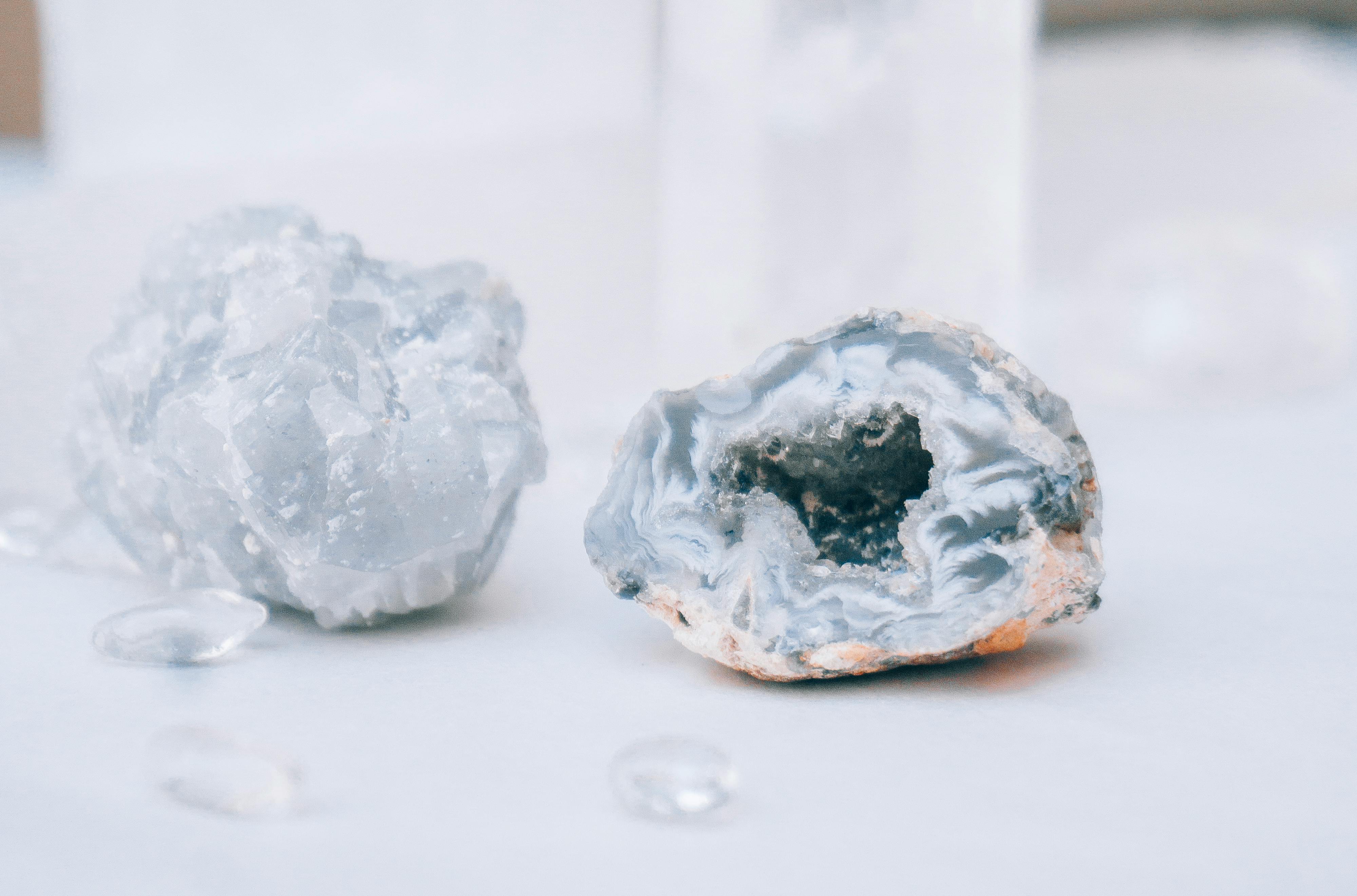
When people talk about the Apple River dog crystal, they are usually referring to specific formations of quartz or calcite that have weathered out of the limestone bedrock. These crystals often take on interesting, jagged shapes that some say resemble the teeth or structural fragments found in local fossil beds, though they are purely mineral in origin. They are prized for their clarity and the way they hold the sediment patterns of the river. Unlike the high-end gems you might buy in a jewelry store, these crystals are treasures of the earth that you earn through patience and a keen eye.
Preparing for Your River Expedition
Before you head out to the water, you need to be prepared. This is not a hobby that requires expensive equipment, but a few essentials will make your trip much more successful. First, get yourself a sturdy pair of water shoes. The Apple River is full of slippery rocks and hidden drop-offs, and you want to be able to focus on the ground, not on your balance. Next, bring a small mesh bag or a bucket. You will be sorting through a lot of gravel, and having a place to stash your potential finds keeps your hands free for digging.
Another tip is to pick the right time of day. High noon is often the worst time to look for crystals because the sun creates a harsh glare on the water and the wet stones. Early morning or late afternoon provides a softer, angled light. This lighting is crucial because it helps the translucent edges of the crystals pop against the dull, opaque background of the surrounding river rock.
The Art of the Scan
Finding a dog crystal is less about digging deep into the earth and more about mastering the scan. When you are walking along the shoreline, do not look directly down at your feet. Instead, look about three to five feet in front of you. Train your eyes to ignore the uniform grey stones and focus on anything that breaks the pattern. You are looking for a break in texture or a flash of light. Sometimes, you will see a faint shimmer that disappears when you move your head. That is usually a sign that you have found a piece of quartz catching the sun.
I remember taking a friend out for the first time near the deeper bends of the river. He was frustrated because he kept picking up bits of glass and white plastic. The trick, I told him, is to touch the stone. If it is cold, sharp, and slightly heavier than a piece of plastic or soft glass, you have likely found a mineral. Real crystals have a weight and a geometric structure that man-made debris just cannot replicate.
Respecting the River Environment
As you explore, remember that the river is a living ecosystem. It is tempting to move large boulders to see what is underneath, but this can disrupt the habitats of the fish and insects that call the Apple River home. Stick to the gravel bars and the surface-level stones. You will find plenty of treasures without having to tear apart the riverbed. Always pack out what you bring in, including any trash you might find along the way. Keeping the river clean ensures that these crystals remain a joy for everyone to find in the years to come.
What to Do With Your Finds
Once you have a collection of these crystals, you might be wondering what to do with them. Some people enjoy tumbling them to bring out their inner shine. Others prefer to keep them in their natural, raw state, displaying them in glass jars or as part of a garden feature. If you are feeling creative, you can even use them in wire-wrapping projects to make unique pendants. The beauty of these crystals is that they are deeply personal. They represent a specific day, a specific stretch of river, and a specific moment of discovery.
Final Thoughts on the Hunt
The Apple River dog crystal is more than just a piece of mineral; it is a gateway to a slower pace of life. In a world where we are constantly staring at screens, spending a few hours focused on the subtle beauty of the riverbank is a refreshing change. You might not find a museum-quality specimen every time you go out, but the process of searching is where the true value lies. The next time you find yourself near the water, take a moment to slow down, look at the stones, and see what the river has left for you to find. You might just walk away with a pocketful of memories and a few sparkling rewards.
Actionable Takeaways for Your Next Trip
- Choose a day with overcast skies or go during the golden hours of dawn or dusk to reduce glare.
- Always wear protective footwear with good grip to navigate the slippery river stones safely.
- Focus your search on the gravel bars where the current naturally deposits lighter, crystalline materials.
- Keep your eyes scanning a few feet ahead of you rather than directly beneath your feet to catch reflections.
- Practice leave-no-trace ethics to protect the beauty of the river for future rockhounds.