The Architecture of Obsession: Why We Can’t Quit Doomscrolling

The Endless Slide Into Nowhere
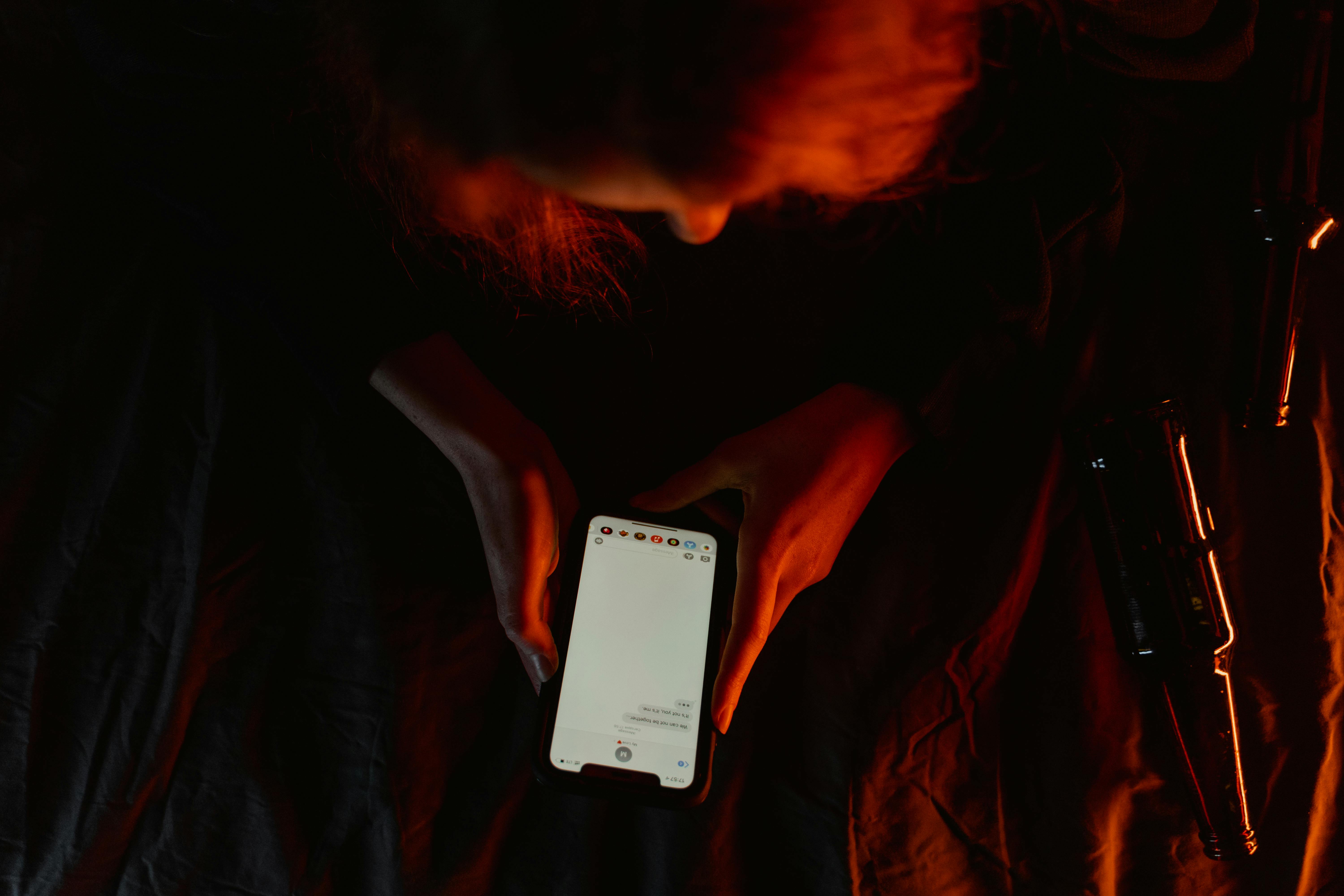
It starts with a simple intention. You reach for your phone to check the weather or see if that important email finally landed in your inbox. But three minutes later, you are deep in a digital rabbit hole. You are reading a heated argument between strangers about a movie you have never seen, followed by a tragic news headline, then a recipe for sourdough bread, and finally a video of a cat wearing a tiny hat. Your thumb keeps moving, flicking upward with a hypnotic, rhythmic grace. You feel a strange, hollow sort of anxiety, yet you cannot stop. You are doomscrolling, and you are not alone.
This is not a failure of willpower. It is not because you are lazy or lack focus. You are caught in a sophisticated, highly engineered trap designed by the brightest minds in Silicon Valley. The architecture of your favorite apps is built on the same psychological principles as a Las Vegas slot machine. Understanding how this trap works is the first step toward breaking free.
The Slot Machine in Your Pocket
The core mechanism that keeps us glued to our screens is known as the variable reward schedule. In behavioral psychology, this is the most addictive way to deliver positive reinforcement. If you knew exactly what you would see every time you opened an app, you would eventually get bored. But apps like Twitter, TikTok, and Instagram ensure that you never know what is coming next. Sometimes you get a boring post, sometimes a funny meme, and sometimes a notification that makes you feel validated. This unpredictability triggers a dopamine release every time you refresh your feed, effectively training your brain to crave the next hit.
Think about the pull-to-refresh gesture. It is a deliberate piece of UI design that mimics the physical action of pulling the lever on a slot machine. When you pull down, the screen freezes, a spinning icon appears, and you wait in suspense for the new content to drop. That tiny fraction of a second is where the obsession is cemented. Your brain is gambling on a digital reward, and the house almost always wins.
The Infinite Scroll and the Death of Stopping Cues
Before the rise of modern social media, we had natural stopping cues in our daily lives. If you read a physical magazine, you eventually reached the back cover. If you watched a television show, it eventually ended, and the credits rolled. These moments of completion signaled to your brain that it was time to move on to the next task.
Modern app designers have systematically removed these cues. The infinite scroll ensures that there is never a bottom to the page. No matter how long you swipe, there is always more content waiting. By eliminating the finish line, apps create a state of flow that is actually a trap. You lose track of time because the app refuses to give you a natural reason to stop. You are essentially walking on a treadmill that never slows down, and eventually, your legs just give out.
The Fear Factor and the Negativity Bias
Why do we call it doomscrolling? It is because we are biologically wired to pay more attention to threats than to positive news. This is an ancient survival mechanism known as the negativity bias. If our ancestors ignored a rustle in the bushes, they might not survive. Today, that same instinct keeps us glued to catastrophic headlines and outrage-inducing social media posts.
Apps have learned to exploit this. Algorithms prioritize content that triggers an emotional reaction, specifically anger or fear, because those emotions drive high levels of engagement. When you see something that makes you angry, you comment. When you see something that scares you, you share it with others. The algorithm sees this activity and feeds you more of the same, creating a feedback loop of anxiety that feels impossible to escape.
How to Reclaim Your Attention
You do not need to throw your smartphone into the ocean to regain control of your life. Instead, you need to change your environment and your habits to make the trap less effective.
- Enable Grayscale Mode: Most smartphones allow you to turn the screen black and white. When the vibrant colors are stripped away, the apps become significantly less stimulating to your brain, making it easier to close them.
- Set Physical Barriers: Keep your phone in another room while you work or sleep. If you have to stand up and walk to another room to check your notifications, you introduce a moment of conscious choice that interrupts the automatic habit loop.
- Use App Timers: Most operating systems now have built-in tools to limit your daily usage. Set a hard limit on your most addictive apps. When the timer runs out, the app locks. It is a simple, blunt, but highly effective way to force a stopping cue.
- Curate Your Feed: Take ten minutes to unfollow or mute accounts that induce stress or outrage. Your digital environment is just as important as your physical one. Fill your feed with accounts that educate, inspire, or simply make you smile.
The Power of Intentionality
The architecture of these apps is designed to make you a passive consumer. By taking these small, actionable steps, you shift from being a passive recipient of content to an active participant in your own life. You are not quitting the digital world, but you are choosing to engage with it on your own terms. The next time you find your thumb hovering over that infinite scroll, take a breath. Recognize the slot machine for what it is. Put the phone down, and remind yourself that the real world is waiting, and unlike your feed, it has a beginning, a middle, and a very beautiful end.