The Electric Revolution: Why the Future of Trucking is the Trailer

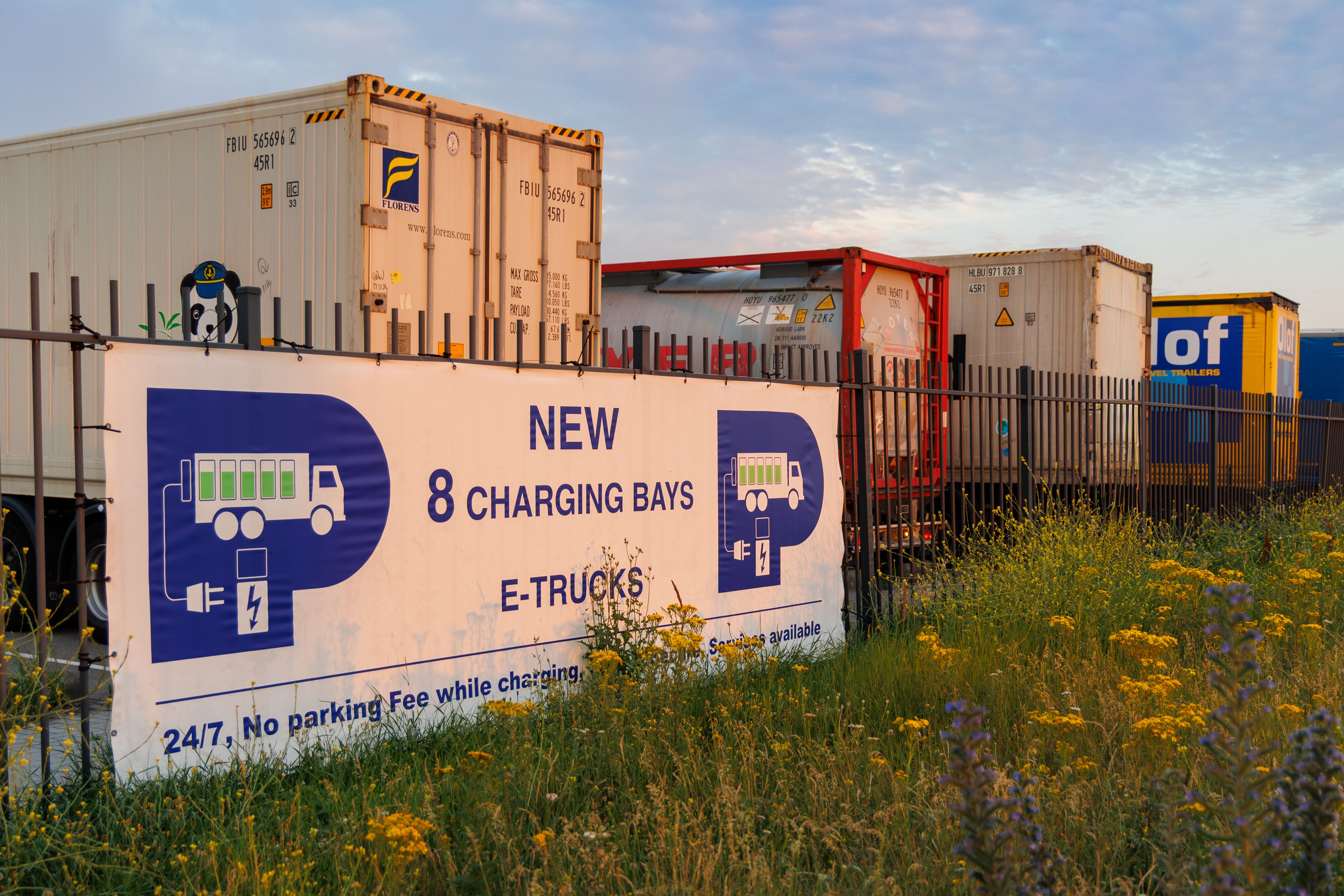
The Hidden Power Under the Trailer
Imagine a long-haul truck barreling down the Autobahn. To the casual observer, it is a standard diesel rig, hauling a massive load of freight. But underneath that trailer, a silent revolution is taking place. Companies across Europe and North America are betting that the fastest way to slash carbon emissions isn't by replacing the expensive, complex tractor at the front, but by turning the trailer at the back into a self-propelled, energy-harvesting machine.
For decades, the trailer has been a passive box on wheels—a dead weight that the tractor has to drag across continents. Now, engineers are transforming these trailers into active partners in the journey. By adding electric axles, battery packs, and even solar panels to the roof, logistics companies are finding a clever way to bypass the massive costs and charging hurdles currently stalling the adoption of fully electric semi-trucks.
The Anatomy of a Powered Trailer
The concept is gaining traction because it solves a fundamental problem: infrastructure. Battery-electric heavy trucks require massive, expensive charging stations that simply do not exist along most highway corridors. A powered trailer, however, can be retrofitted to existing fleets. Take the partnership between Nivalis Energy Europe and the TIP Group. They have developed a kit that features an electric axle capable of both providing propulsion assistance and capturing energy through regenerative braking.
The system is surprisingly clever in its simplicity. It pulls power from three distinct sources: the electric axle itself during deceleration, a rooftop array of photovoltaic panels, and a standard industrial AC grid connection used while the trailer sits idle at loading docks. The result? A trailer that effectively pushes itself, reducing the workload on the tractor and saving thousands of liters of diesel every year.
The Great Battery Debate: Small vs. Large
While the goal is the same, the industry is split on the best way to achieve it. The debate essentially boils down to a choice between small, lightweight systems and large, high-capacity battery packs.
Nivalis is focusing on a lightweight, modular approach. Their system adds only about one to 1.4 tonnes to the trailer. Because it is light, it does not significantly eat into the legal weight limit for cargo, which is a massive selling point for logistics operators who deal with tight profit margins. Their philosophy is to create a system that is financially accessible and technically symbiotic with current operations.
On the other side of the ring, companies like Trailer Dynamics are swinging for the fences with much larger battery capacities—up to 551 kWh. These systems are heavier, adding about 4 tonnes to the trailer, but they offer far more power. They can extend the range of a battery-electric tractor by hundreds of kilometers, potentially eliminating the need for intermediate charging stops entirely. It is a bet that the future of long-haul freight will be defined by destination-based charging, where the trailer acts as a mobile power bank for the entire rig.
Real-World Impact and the Path Ahead
The potential for these systems is staggering. Projections show that a single powered trailer could save roughly 7,000 liters of diesel annually, preventing nearly 19 tonnes of carbon dioxide from entering the atmosphere. With major players like DB Schenker and BMW Logistics testing these technologies, the shift is moving from theoretical pilot programs to real-world commercial operations.
However, the industry still faces growing pains. There is no current standard for how to measure these savings. When one company claims a 40 percent reduction in fuel use and another targets 18 percent, it is difficult for fleet operators to know which investment makes the most sense. Furthermore, the regulatory environment is still catching up. Currently, the extra weight of these battery systems reduces the amount of freight a truck can carry. If governments move to allow extra weight allowances for electric trailers, the economic case for these systems will become even more compelling.
What This Means for the Future of Freight
The race to electrify the trailer is a perfect example of pragmatic innovation. Instead of waiting for a total overhaul of the global energy grid or for the price of electric tractors to plummet, the industry is finding ways to make the equipment they already have more efficient.
For fleet managers and logistics companies, the key takeaways are clear:
- Efficiency is king: Whether you choose a large-battery system for range or a small-battery system for payload, the ability to regenerate power during braking is a universal win.
- Infrastructure matters: Look for solutions that maximize the use of existing power sources, such as standard industrial outlets at loading docks.
- Watch the regulations: Pay close attention to upcoming rules regarding weight allowances for electric components, as this will change the math on profitability overnight.
We are currently in the early stages of a massive transition. While the tech is still maturing, the evidence suggests that the future of long-haul trucking isn't just about what is pulling the load—it is about the load itself starting to pull its own weight. The powered trailer is no longer a science project; it is becoming a vital part of the global logistics strategy.