The Rise of 'Digital Minimalism' in Your Smart Home

The Quiet Revolution in Your Living Room
Remember when the smartest thing in your house was a programmable coffee maker that hissed at you at 6:00 AM? Today, our homes are listening, watching, and constantly pinging. We have traded peace for convenience, filling our spaces with devices that demand our attention through glowing rings, insistent notifications, and the phantom anxiety that something is always updating. But lately, a shift is happening. It is not about throwing your smart speaker into the trash or going back to a rotary phone. It is about a movement called digital minimalism, and it is quietly redesigning how we live with our gadgets.
The goal is no longer to have the most connected home on the block. The goal is to have a home that serves you without demanding a piece of your sanity in return. We are entering an era of calm technology, where the best smart home is the one you barely notice.
What Does Digital Minimalism Look Like at Home?
At its core, digital minimalism in the smart home is about intentionality. It is the practice of stripping away the features that add noise and keeping only the ones that provide genuine utility. Think of it as the Marie Kondo approach to your Wi-Fi network. If a device does not spark joy or save you significant time, it is time to unplug it.
This trend focuses on three primary pillars: reducing visual clutter, silencing unnecessary alerts, and protecting your mental focus. It is about setting boundaries with your hardware. Your lights should turn on when you walk into a room, but they should not require a software update that sends a push notification to your phone at midnight.
The Shift Toward Calm Technology
The term calm technology was coined by researchers at Xerox PARC decades ago, but it has never been more relevant than it is right now. The idea is that technology should inform you, not overwhelm you. It should sit in the periphery of your life until you actually need it.
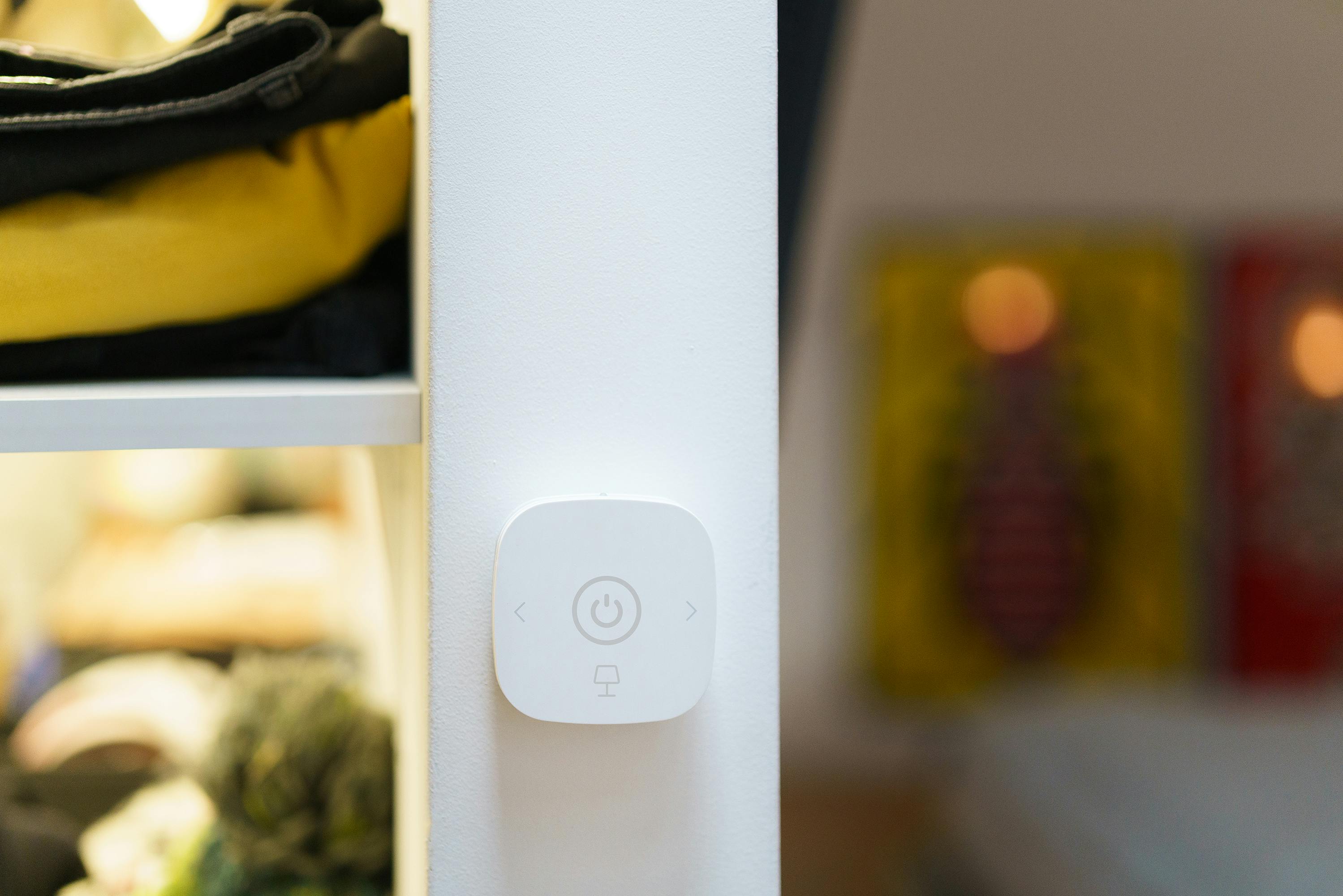
Consider the difference between a smart display that cycles through your photos and news headlines versus a simple smart bulb that subtly changes color as the sun sets. The latter is calm. It works with your circadian rhythm rather than trying to steal your attention. People are now opting for smart home interfaces that are tactile and physical rather than screen-heavy. Think smart buttons that trigger scenes, or voice assistants that are set to silent mode, responding with a gentle chime instead of a robotic voice.
Practical Ways to Simplify Your Digital Ecosystem
You do not need to be a tech wizard to embrace this trend. Start by auditing your current setup with these simple steps:
- Audit your notifications: Go through every app connected to your home and disable non-essential alerts. Your vacuum cleaner does not need to tell you when it has finished a job unless you specifically want to know.
- Automate to disappear: Use sensors to trigger actions so you do not have to reach for your phone. If your lights turn on based on motion, you stop interacting with the app, which effectively removes the temptation to check your email or social media while you are there.
- Create digital-free zones: Keep smart displays and speakers out of the bedroom. Use analog alarm clocks and traditional light switches in areas where you want to prioritize rest and human connection.
- Choose hardware with privacy and silence in mind: When buying new devices, look for ones that prioritize local processing. This means the device does not need to send data to a cloud server to perform simple tasks, which makes the system faster, more private, and less prone to connectivity drops.
A Case Study in Intentional Living
Take the story of Sarah, a graphic designer who realized her smart home was fueling her burnout. She had sensors, cameras, and smart plugs everywhere. Every time she sat down to work, her phone would buzz with motion alerts from the front porch or reminders from her smart oven. She felt like she was living in a control center rather than a home.
She decided to prune her system. She removed the motion alerts for the front door during work hours and replaced her wall-mounted smart display with a physical switch that controlled her lighting scenes. The result was immediate. By reducing the number of digital interruptions, she found she could focus on her projects for longer stretches. Her home became a sanctuary again, rather than a source of constant digital friction.
The Future is Invisible
The future of the smart home is not more screens. It is less. We are moving toward a world where your home understands your habits so well that you rarely have to give it a direct command. It is the difference between a home that is smart and a home that is thoughtful.
By embracing digital minimalism, you are reclaiming your attention. You are choosing to use technology as a tool for convenience rather than a platform for distraction. Start small. Unplug one device that annoys you, silence the notifications on another, and see how much lighter your space feels. Your home is meant to be the place where you recharge, not where your battery gets drained. When technology stays in the background, your life gets to take center stage.