The Surveillance Myth: Why Flock Cameras Are Failing Our Cities

The Promise of the Panopticon
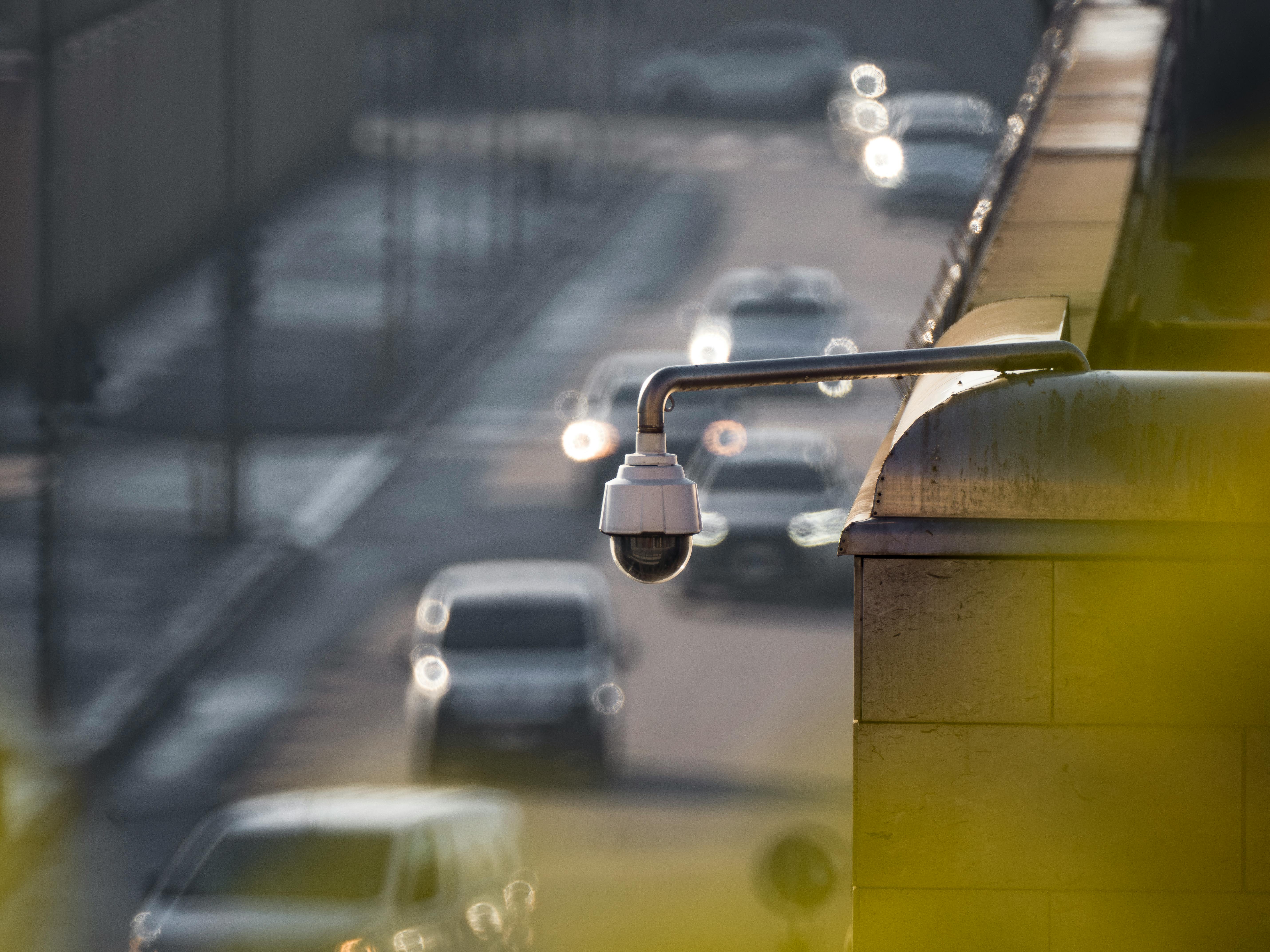
We have all seen them while driving through suburban intersections or idling at a red light. Those sleek, solar-powered poles topped with high-definition cameras, staring down at our license plates like unblinking sentries. The pitch from companies like Flock Safety is simple, seductive, and seemingly logical: if we blanket our cities in automated license plate readers, we can build a digital dragnet that catches criminals in real-time. It sounds like the plot of a high-tech thriller where the bad guys are caught before they even get to the getaway car.
But what if the reality is far less cinematic? What if, despite the millions of taxpayer dollars flowing into these private surveillance contracts, the actual impact on crime rates is negligible at best? Recent data analysis is starting to pull back the curtain on this high-tech security theater, and the results are not just disappointing—they are a wake-up call for every city council member and resident who was promised a safer neighborhood in exchange for their privacy.
The Data Gap
The core of the issue lies in the disconnect between marketing claims and hard FBI crime statistics. When cities sign up for Flock systems, they are often sold on the idea of a dramatic increase in case clearance rates. The pitch suggests that these cameras act as a force multiplier for stretched-thin police departments. However, when researchers and journalists actually look at the FBI's Uniform Crime Reporting data, the correlation between camera density and crime reduction evaporates.
In cities like Atlanta, which has become something of a testing ground for massive surveillance integration, the data shows that the surge in camera deployment has not triggered a corresponding drop in violent crime or a significant spike in solved cases. This is not necessarily because the technology is broken, but because of the nature of the crimes themselves. Surveillance cameras are excellent at tracking vehicles, but they do very little to solve the complex, human-driven problems that lead to violent crime in the first place. You cannot track a neighborhood argument or a domestic dispute with a license plate reader.
The Illusion of Security
Why do we keep buying into the idea that more cameras equal less crime? It comes down to a psychological phenomenon known as security theater. Seeing a camera on a pole makes people feel safer, even if that feeling of safety is based on a false premise. It provides a sense of order and control in a world that often feels chaotic. Politicians love these systems because they are tangible, visible symbols of action. It is much easier to install a hundred cameras and point to them during an election cycle than it is to address the root causes of crime like poverty, lack of educational resources, or mental health crises.
Furthermore, these systems create a massive administrative burden. When a police department is flooded with thousands of automated alerts every day, many of which are false positives or related to minor administrative issues like expired registrations, it can actually distract officers from genuine investigative work. Instead of conducting interviews or building relationships with the community, officers are chasing down ghosts generated by an algorithm.
The Privacy Trade-off
We also have to talk about the cost, and I am not just talking about the invoice sent to the city treasury. The cost is our anonymity. When you turn a city into a tracking grid, every citizen becomes a data point. Your movements, your shopping habits, your visits to the doctor, and your proximity to friends are all being logged and stored in private databases. The terrifying part is that these databases are often shared across jurisdictions with very little public oversight or clear expiration dates for the data.
Imagine a scenario where your daily commute is tracked, stored, and then accessed by an officer in a different county because your car happened to be near a crime scene months ago. This is not hypothetical. This is the infrastructure we are building today. We are trading the fundamental right to move through our own cities without being tracked for a system that, according to the available data, is failing to deliver on its primary promise of making us safer.
Moving Toward Real Solutions
If these cameras aren't the magic bullet for crime, what is? The answer is unfortunately less exciting than a high-tech camera pole, but far more effective. The data consistently shows that community-led initiatives, investments in youth programs, and well-funded social services have a much higher return on investment for public safety than surveillance technology. When police are integrated into the community as partners rather than just monitors, trust increases, and witnesses are more likely to come forward.
We need to stop looking for technological shortcuts to deep-seated social challenges. The next time a city official suggests a new contract for automated surveillance, the public needs to ask the hard questions. Where is the independent data showing this works? How much is this costing compared to community programs that have a proven track record? And most importantly, are we willing to sacrifice our privacy for a system that provides little more than the illusion of safety?
The Bottom Line
The expansion of Flock surveillance cameras is a classic case of prioritizing the appearance of safety over the reality of it. While the technology is impressive, its application in law enforcement is proving to be inefficient and potentially invasive. As we move forward, we must demand more transparency and accountability from the companies selling these products and the officials buying them. We deserve safer cities, but we don't have to surrender our privacy to get them. Real security is built on trust, community, and proven social interventions—not just a series of cameras watching our every move.