The Architecture of Boredom: Why Your Best Ideas Hide There

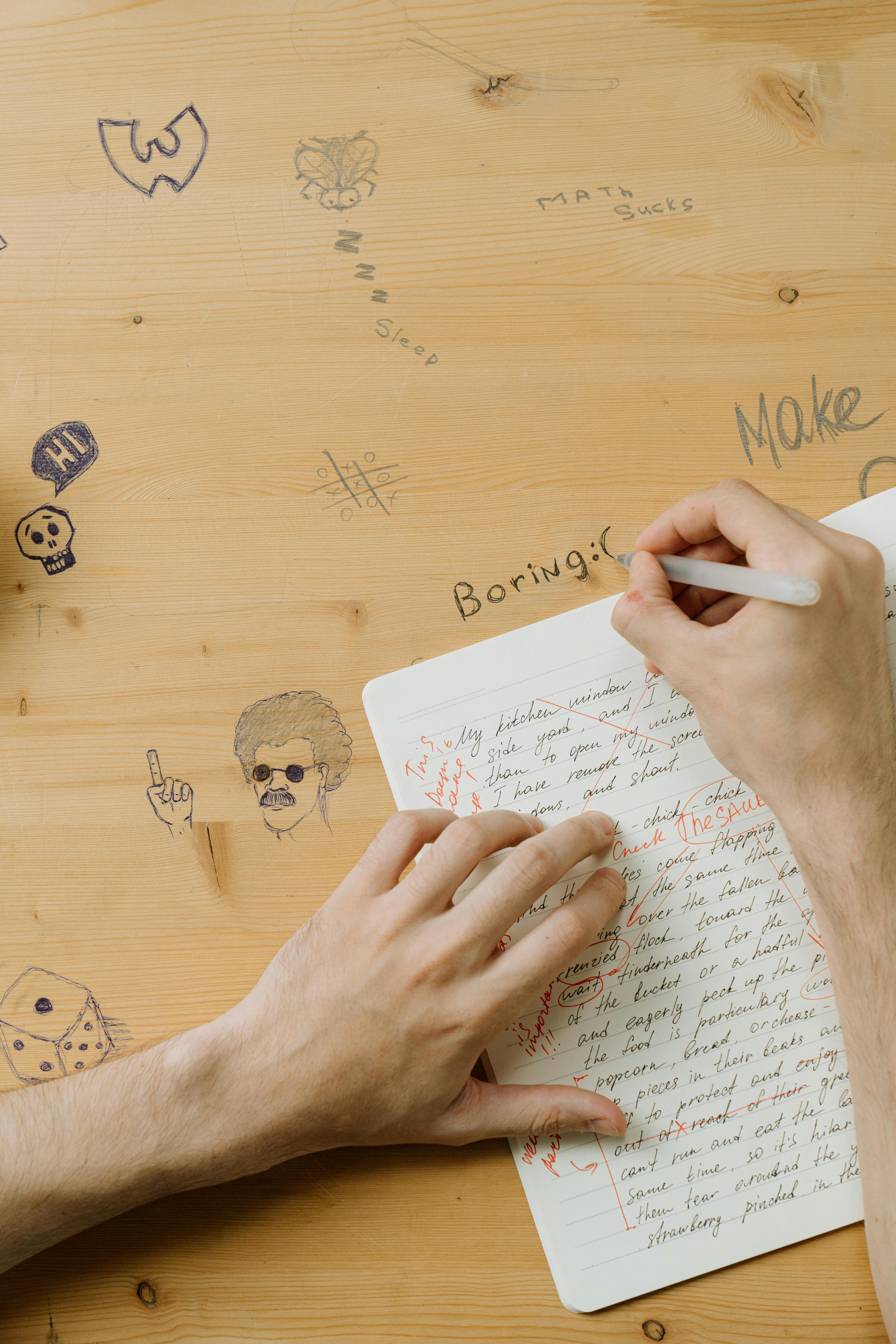
The Lost Art of Doing Nothing
We are currently living through the most overstimulated era in human history. Think about the last time you stood in a checkout line or waited for a bus. Did you stare into space? Did you let your mind wander? Probably not. You reached for your phone. You checked your email, scrolled through a feed, or listened to a podcast. We have effectively engineered boredom out of our lives, treating it like a disease that needs to be cured with a constant drip of digital content.
But what if I told you that by killing boredom, you are accidentally killing your creativity? It turns out that the architecture of boredom is not a void. It is a fertile, high-functioning mental space where your brain finally gets the breathing room to connect the dots you have been collecting all week. If you want to unlock your next big idea, you have to stop trying to be productive for a minute and start embracing the art of doing absolutely nothing.
The Neuroscience of the Default Mode Network
When you are intensely focused on a task, your brain uses a specific set of neural circuits. However, the moment you stop focusing and let your mind drift, something fascinating happens: your brain switches to what scientists call the Default Mode Network, or DMN. This network is not just idling; it is actively working behind the scenes. It is the part of your brain responsible for autobiographical memory, social cognition, and, most importantly, creative problem solving.
When you are bored, the DMN lights up. It begins to scan your past experiences, your current knowledge, and your future goals, looking for patterns that you missed when you were busy staring at a screen. This is why people claim they have their best ideas in the shower or while driving on an empty road. Those activities are just engaging enough to keep you occupied, but boring enough to let your DMN take the wheel. By constantly feeding your brain new information, you are essentially drowning out the quiet, internal signal that leads to true original thought.
The Digital Noise Floor
We often equate productivity with constant output. We think that if we aren't reading, watching, or listening to something, we are wasting time. This is a trap. In the world of audio engineering, there is a concept called the noise floor, which is the amount of background sound that exists in an environment. If your noise floor is too high, you cannot hear the subtle nuances of a melody. Your brain works the same way.
When you fill every spare second with digital input, you raise your mental noise floor. You are so busy processing other people's ideas that you have no bandwidth left to generate your own. Think of your brain like a digestive system. If you are constantly eating snacks, your body never gets to the point of digestion. Your best ideas are the result of mental digestion. They need time to sit, ferment, and grow. If you keep stuffing your brain with information, you are essentially causing mental indigestion.
How to Reclaim Your Boredom
Reclaiming boredom does not mean you have to throw your phone in a river or move to a remote cabin in the woods. It is about creating intentional pockets of stillness. Here is how you can start training your brain to embrace the void:
- The No-Phone Queue: Next time you are in line at the grocery store or waiting for a meeting to start, keep your phone in your pocket. Let yourself be bored for three minutes. Observe the room. Let your mind wander.
- Analog Commutes: If you take public transit, try sitting without a podcast or a book for just one leg of your trip. Use that time to look out the window and let your thoughts drift wherever they want to go.
- The Shower Rule: Stop bringing your phone into the bathroom. The shower is one of the last remaining sanctuaries for the Default Mode Network. Do not ruin it with a playlist.
- Scheduled Idleness: Block off fifteen minutes in your calendar for doing nothing. No journaling, no meditating, no planning. Just sit and exist. It will feel uncomfortable at first, and that is exactly the point.
The Paradox of Productivity
The irony of our modern work culture is that we are working harder than ever while feeling less inspired. We are trading long-term creative breakthroughs for short-term dopamine hits. If you look at the history of great thinkers, from Einstein to Darwin, they all made space for long, aimless walks and periods of quiet reflection. They understood that the mind needs to be left alone to work its magic.
Start viewing your boredom not as a gap to be filled, but as a resource to be mined. Your brain is a powerful, associative machine, but it requires the absence of input to produce output. The next time you feel that itchy urge to check your social media feed because you have a few seconds to spare, take a deep breath and resist. Let the boredom wash over you. You might find that your next big idea was waiting there all along, just beneath the surface of the silence.
Final Thoughts
Creativity is not something you force; it is something you allow. By building a little bit of boredom back into your daily routine, you are giving your brain the permission it needs to do its best work. Stop fearing the blank space. Stop running from the quiet. That is where your best ideas are hiding, waiting for you to stop clicking long enough to hear them.