Can AI Outsmart Your Doctor? The Rise of Microsoft’s MAI-DxO

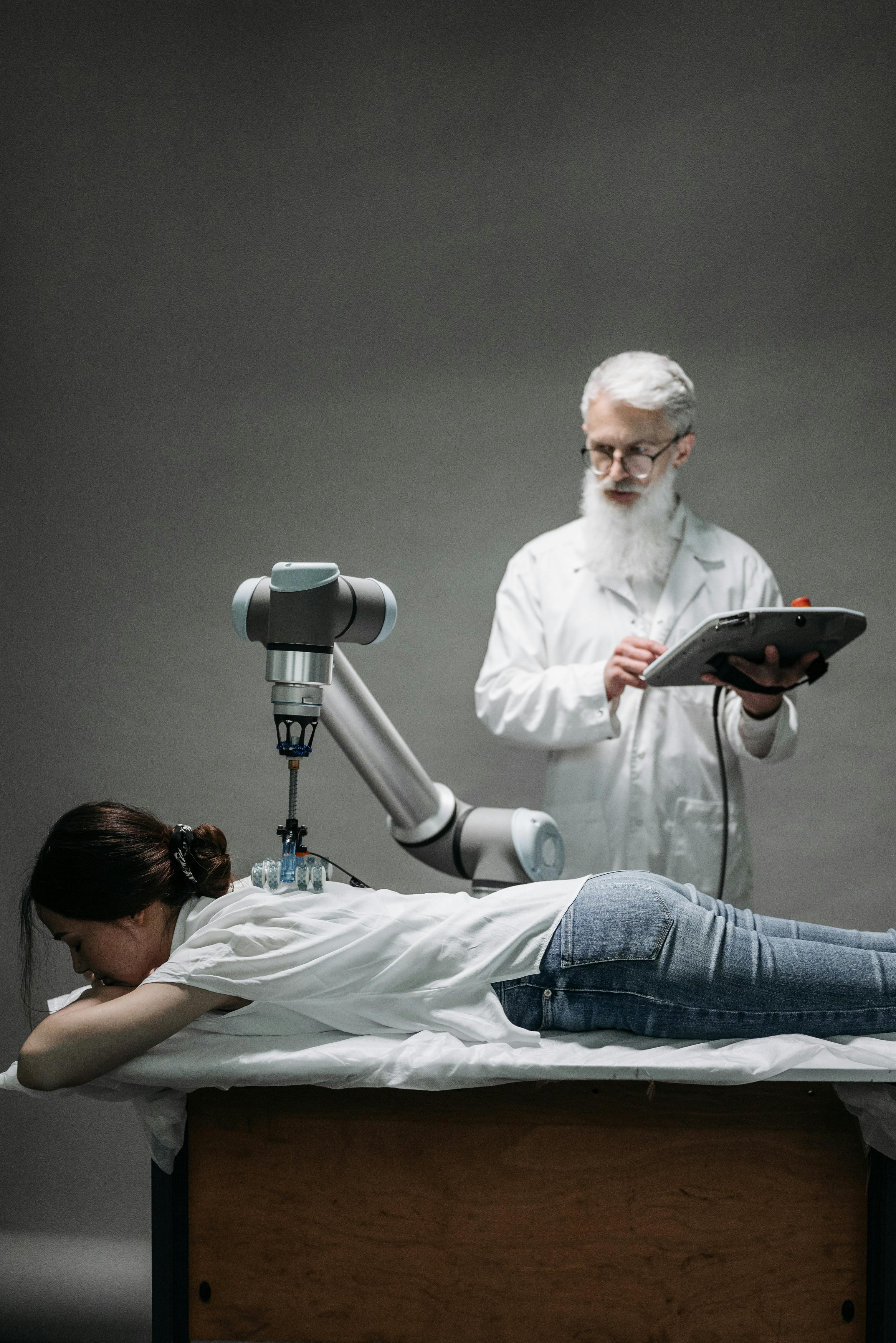
The Future of Your Next Checkup
Imagine walking into a doctor’s office, feeling like something is wrong, and instead of waiting weeks for a battery of expensive tests, you get a precise diagnosis in minutes. For most of us, medical care has always been a game of trial and error. You describe your symptoms, the doctor runs a few tests, you wait for results, and maybe you get an answer. But what if there was a better way? Microsoft has recently unveiled a new diagnostic system called MAI-DxO, and the results are honestly hard to believe. This system is reportedly over twice as accurate at diagnosing diseases than human doctors. It is not just about getting the answer right, either; it is about getting there with a fraction of the cost and stress.
How MAI-DxO Is Changing the Diagnostic Game
At its core, MAI-DxO is a diagnostic engine built to bridge the gap between human intuition and raw data processing. Doctors are brilliant, but they are also human. They get tired, they have cognitive biases, and they cannot possibly read every single medical journal published every day. The MAI-DxO system works differently. It ingests massive amounts of clinical data, patient histories, and diagnostic patterns to spot connections that the average human eye might miss. The most impressive part of the report is that it does not just reach the right conclusion; it does so by recommending fewer, more targeted tests. This means less invasive procedures, lower costs for the healthcare system, and much faster paths to treatment.
How to Think About AI in Your Healthcare Journey
If you are wondering what this means for your personal health, it is time to shift how you approach your medical visits. While we are not at the point where you can replace your primary care physician with an app, we are entering an era where you should be a more informed patient. Here is how you can prepare for an AI-integrated medical future.
1. Keep Detailed Digital Records
AI systems thrive on data. The more accurate and comprehensive your personal health record is, the better any diagnostic tool can perform. Start using a secure health app to track your symptoms, family history, and past test results. When you have a clear timeline of your health, you are providing the high-quality input that these advanced systems need to function at their peak.
2. Ask Your Doctor About Diagnostic Assistance
Do not be afraid to ask your healthcare provider if they are using any clinical decision support tools. Many modern clinics are beginning to integrate AI to help verify diagnoses. If you are facing a complex or persistent issue, asking if they have consulted with an AI diagnostic tool can be a great way to ensure you are getting the most thorough evaluation possible.
3. Focus on Symptom Clarity
Whether you are talking to a human or an AI, the quality of your description matters. Practice the habit of noting specific triggers, the duration of symptoms, and what makes them better or worse. AI systems are exceptionally good at pattern matching, but they can only match the patterns you provide. Clear communication is your best tool for getting an accurate result.
Why Efficiency Matters More Than Ever
The cost of healthcare is a massive burden for families everywhere. One of the biggest takeaways from the data on MAI-DxO is the reduction in unnecessary testing. We have all been there—a doctor orders a scan just to be safe, or a lab test that costs hundreds of dollars only to come back normal. By relying on smarter algorithms, the healthcare system can eliminate this waste. This is not just about saving money; it is about saving time and reducing the anxiety that comes with waiting for results from unnecessary procedures. When an AI can point a doctor in the right direction immediately, the entire patient experience becomes less burdensome.
The Human Role in a Machine-Driven World
It is natural to worry about the human element. Will doctors become obsolete? The answer is almost certainly no. Medicine is not just about data points; it is about empathy, understanding your lifestyle, and navigating complex ethical decisions. A doctor’s role will likely shift from being the sole investigator to being an expert interpreter. They will use tools like MAI-DxO to handle the heavy lifting of data analysis, allowing them to spend more time talking to you, explaining your options, and supporting your recovery. The human connection is something that no algorithm can replicate, and that is a good thing.
Looking Ahead
The news about Microsoft’s MAI-DxO is a clear signal that the medical landscape is shifting under our feet. We are moving toward a model where diagnostic accuracy is higher and the cost is lower. While we still need to navigate the regulatory and privacy hurdles that come with any new technology, the potential for better health outcomes is undeniable. As these tools become more common, stay curious and stay proactive. Your health is your most valuable asset, and having the best technology on your side is a win for everyone. The next time you feel like something is not quite right, remember that the future of medicine is working to make sure you get the right answers as quickly as possible.